Why Unworn Clothes Make Travel Harder
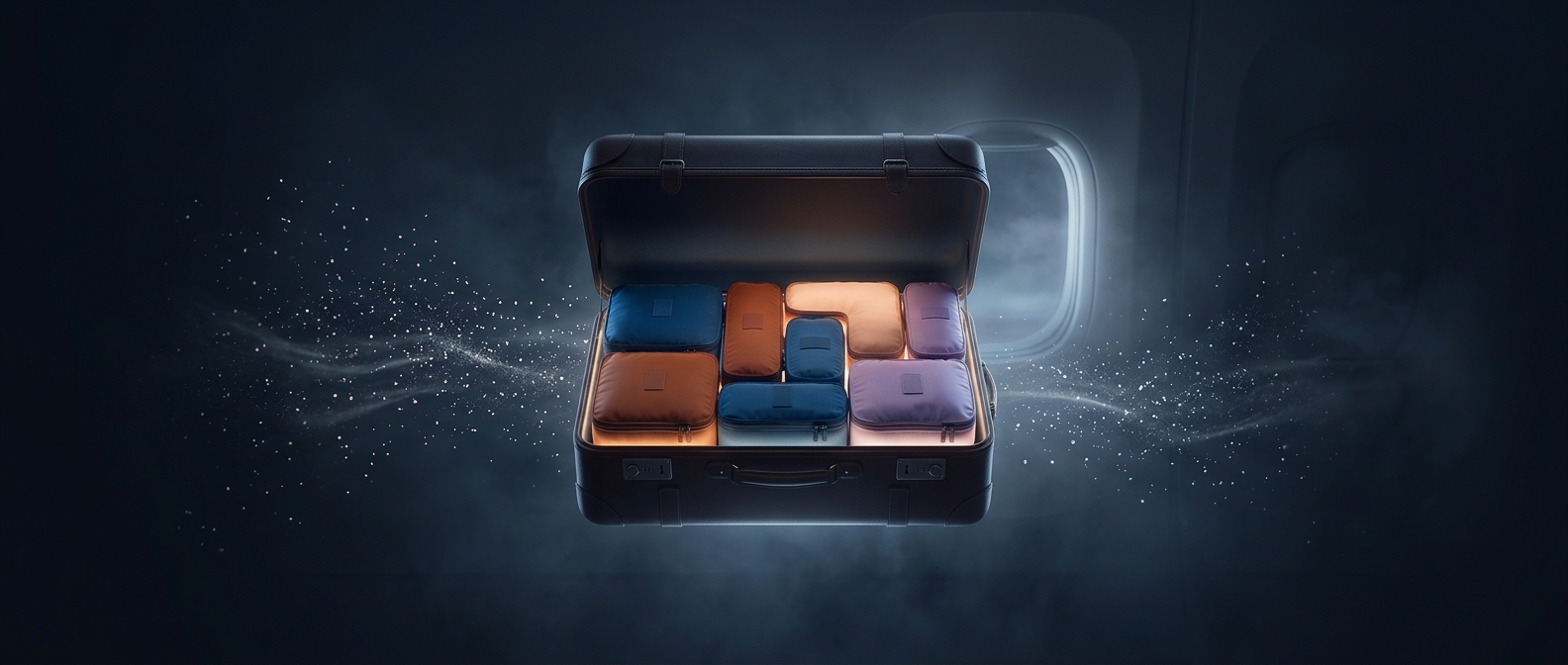
A suitcase’s weight is not just a matter of how many outfits it holds. Dense, bulky fabrics can add substantial mass, and every item packed “just in case” has to be lifted, carried, or pulled through the trip—even if it never leaves the bag. The cost shows up before the clothes are worn: at a station stairway, in an overhead-bin lift, or while hauling luggage across a long terminal.
Cobblestones Turn Weight Into Work
A rolling suitcase is easiest to move over a smooth floor, where its wheels can keep turning with little interruption. Cobblestones create repeated bumps and gaps. The wheels jolt and catch, so the traveler must pull harder and keep the case steady. A heavier bag increases that effort, while small suitcase wheels can struggle to roll smoothly over uneven stones.
That combination can make a short walk feel longer: the bag is both heavier to pull and less able to glide. The same clothes that seemed harmless while packing become a burden whenever the route includes rough paving, stairs, or stretches without a smooth path.
Pack for the Trip You’ll Actually Take
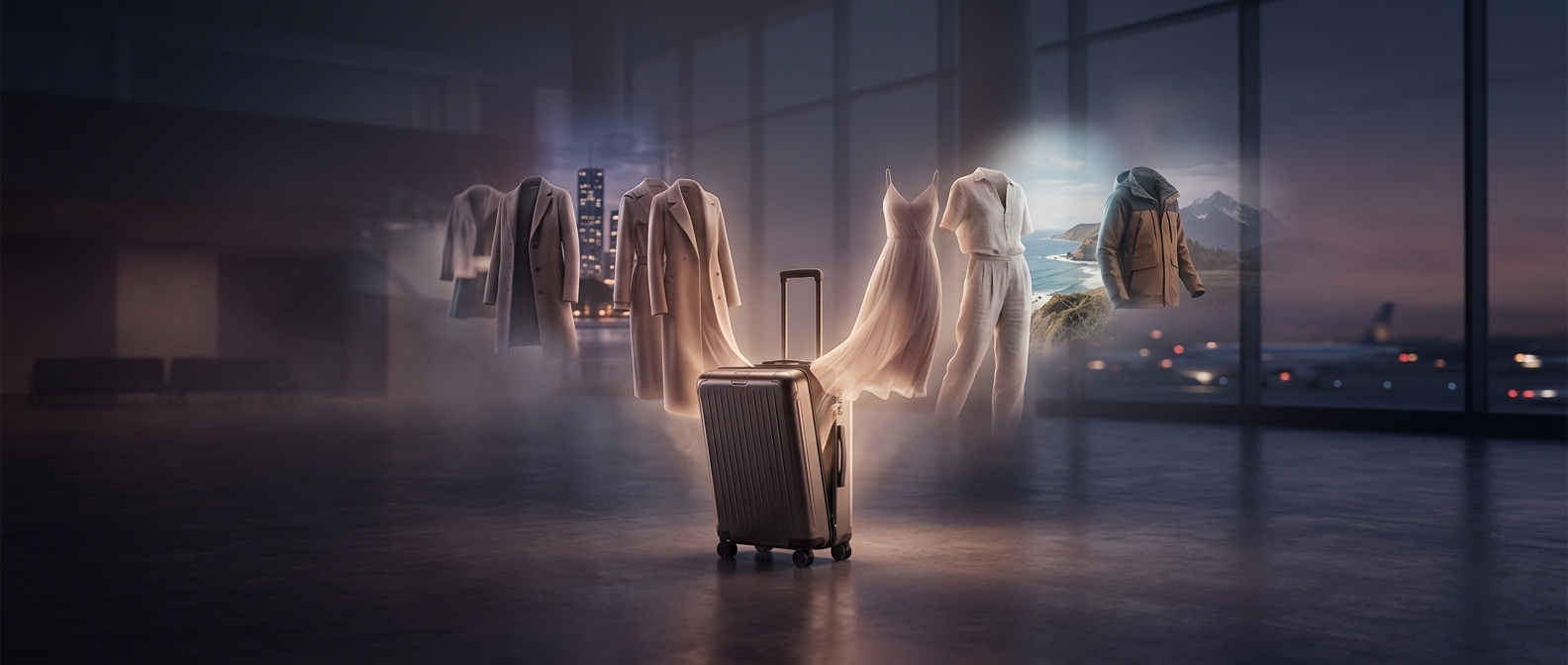
A useful test is whether each item fits a real plan, not an imagined one. Choosing clothes that work in more than one setting can reduce the number of “backup” outfits—and leave room for necessities without adding weight. On a route that includes cobblestones, packing less can matter as much as choosing a suitcase with wheels suited to rough ground: fewer unworn clothes mean less weight to drag over every bump.