Why Iranian saffron can travel despite sanctions
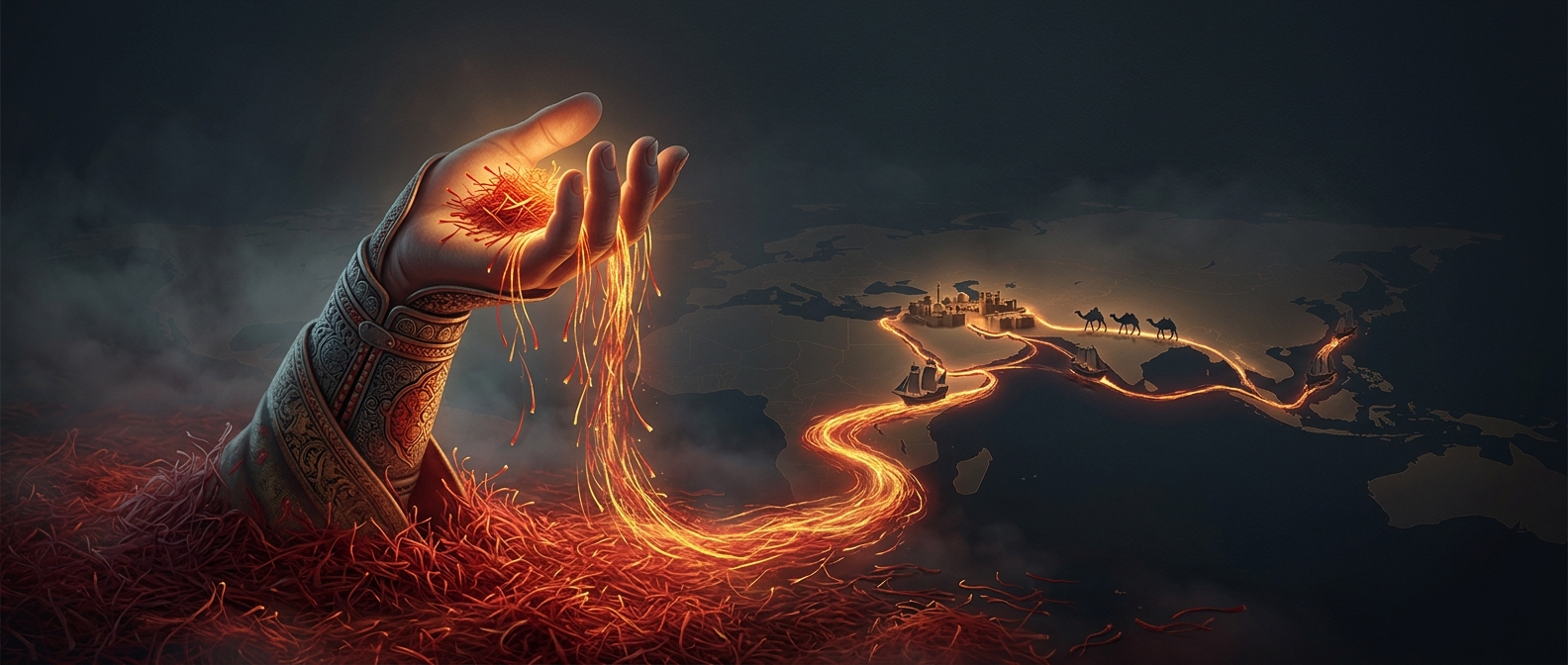
Saffron is unusually suited to a long, complicated supply chain: it is valuable, light to ship, and sold in small quantities. The spice is made from the dried red stigmas—the pollen-catching parts—of crocus flowers. Each flower yields only a few, and they must be picked and separated by hand. That labor makes saffron costly before it leaves the farm, while its small size keeps transport costs modest relative to its value.
The middlemen absorb friction
Sanctions can make ordinary trade harder even when a product still finds buyers. Banks may be cautious about handling payments, and companies can face extra checks on counterparties, paperwork, and the origin of goods. Traders and brokers can bridge those gaps: they buy or consolidate saffron, arrange onward sales, and handle steps that a grower or foreign retailer may not manage directly.
Each additional handoff can add cost and make the path from farm to shelf less transparent. That does not mean every intermediary is concealing the spice’s origin; it means buyers may encounter Iranian saffron through a chain of firms rather than through a direct purchase from its producer. The same features that make saffron easy to ship in tiny, valuable parcels also make it possible for trade to continue through multiple commercial links.
A costly spice, a less visible route
For growers, access to overseas buyers matters because local demand alone may not absorb the harvest. For importers, the trade-off is a prized ingredient against added payment, compliance, and sourcing complexity. So the saffron in a Western kitchen can have a straightforward agricultural origin and a much less straightforward commercial journey.