A Cone Can Be a Seed Bank on a Branch
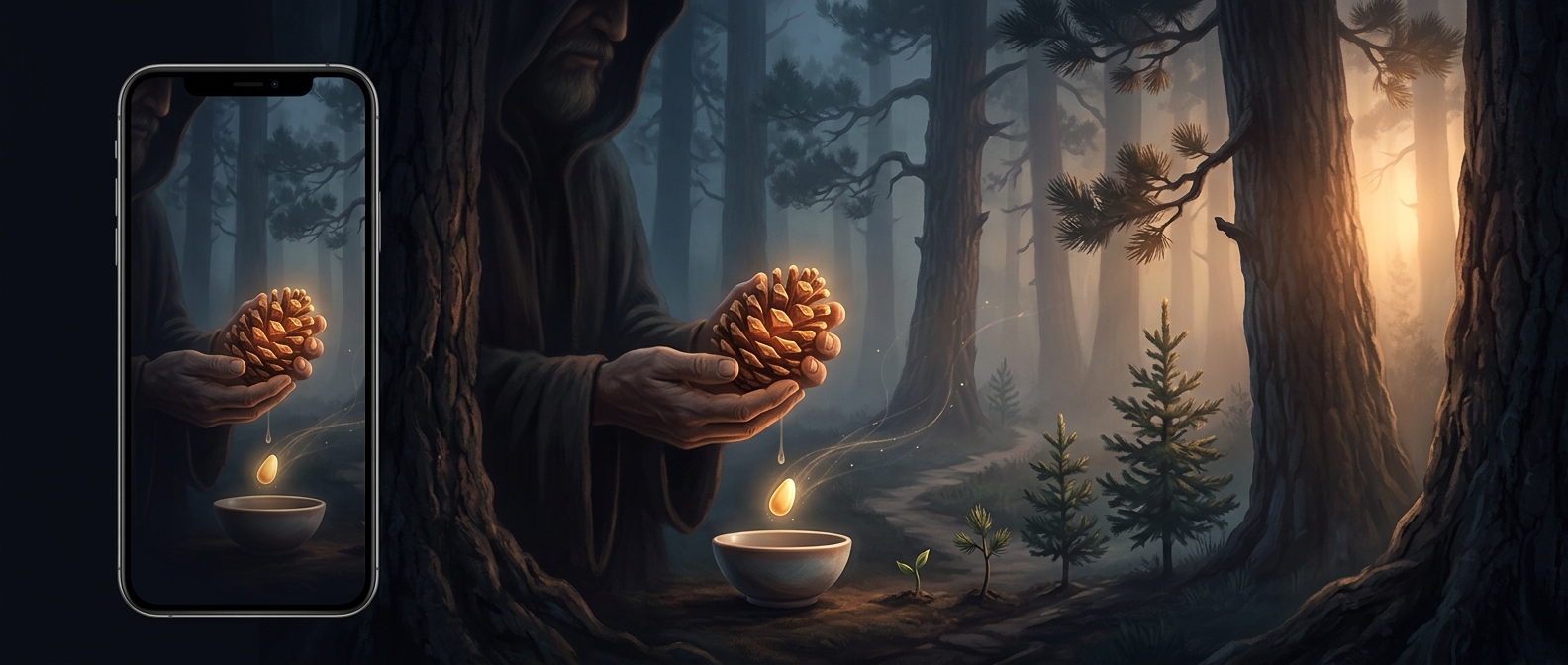
In some pines, the long wait is not the time it takes a seed to form. It is the time a mature seed can remain tucked inside a cone that stays shut. This strategy, called serotiny, turns the tree’s branches into a living seed bank: instead of releasing every seed as soon as it ripens, the pine holds some back for years, sometimes much longer.
The cone’s scales—the overlapping plates that protect its seeds—are bound with resin. While they remain tightly closed, the seeds are sheltered from weather and many seed-eating animals. That protection has a cost: the seeds cannot spread or sprout while trapped inside.
Heat Opens the Stored Supply
For pines adapted to fire-prone landscapes, heat can soften or melt the resin enough for the scales to open. A fire may kill the parent tree, but it also clears competing plants and leaves exposed ground where newly released seeds can take root. In that setting, holding seeds back can improve their chances of finding space and light after a disturbance.
Not every pine cone requires fire to open, and the timing varies by species and conditions. The key distinction is that a tree may produce seeds before the cone releases them. What looks like a decades-long delay in “making” seeds can actually be decades of keeping them protected.
That makes the closed cone more than a container: it is a timed reserve, releasing its contents when the conditions that once favored the parent tree may favor a new generation.