Why The Magnus Archives put its voices on tape
For a horror story built around statements recorded by an archivist, the sound of the recordings had to feel like part of the world—not like an effect pasted on afterward. A digital hiss filter can add noise, but it tends to sit uniformly over clean speech. Real recording devices alter voices in less tidy ways: they can soften sharp consonants, narrow the range of tones, and add uneven hiss or distortion.
A physical detour through old equipment
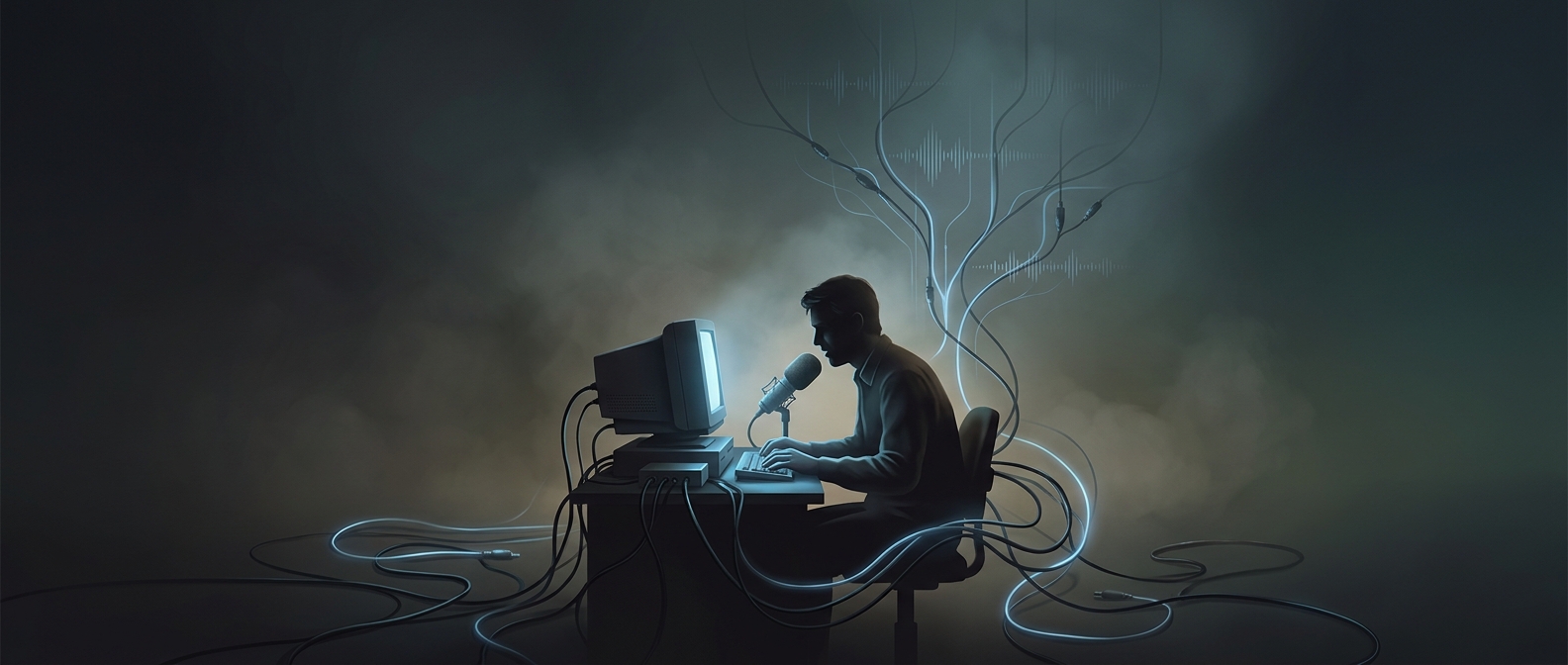
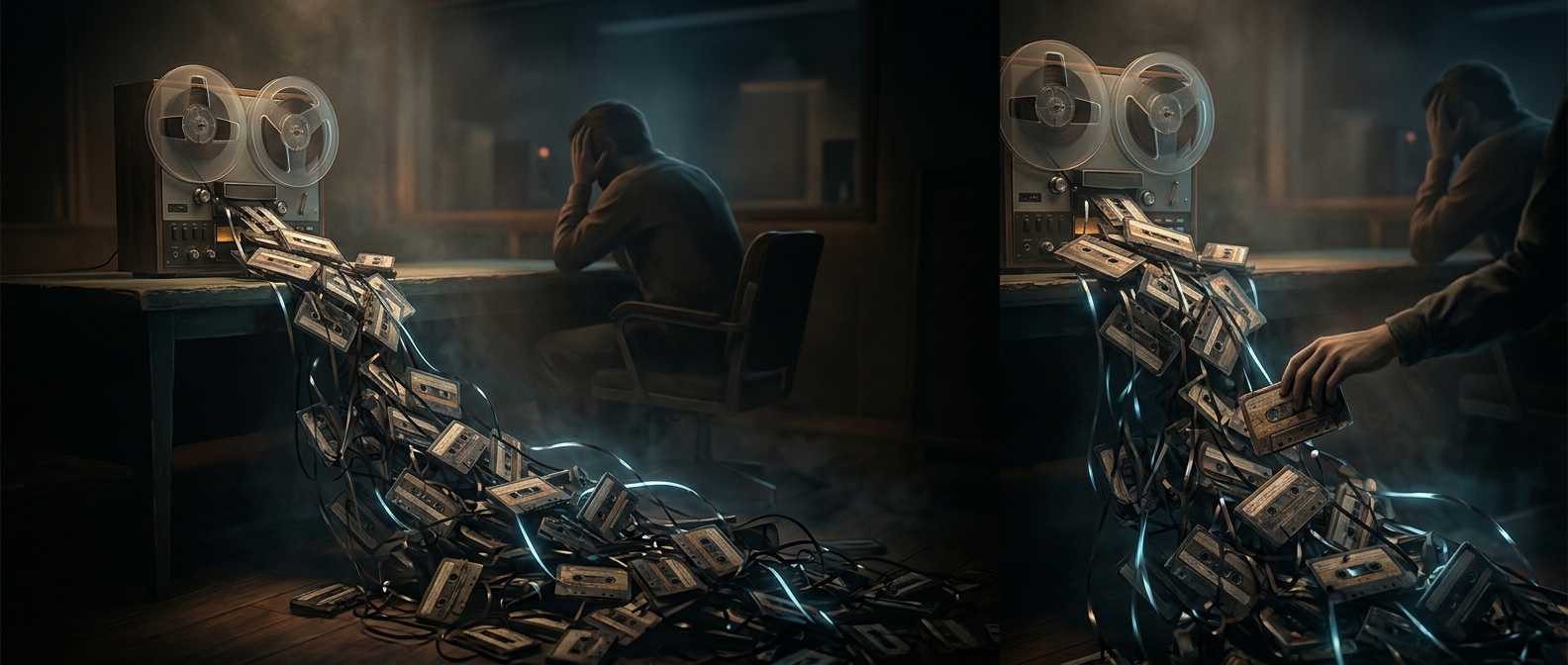
The creators began with digital voice recordings, played them through dictaphones and cassette tapes, and recorded the playback back into a computer. That extra trip through hardware changed the sound itself. A dictaphone, a small recorder designed mainly for speech, and a cassette deck each impose their own limits and imperfections, so the result carries more than a layer of background noise.
The process also gave the production control. The original digital recording remained available, while the altered version could supply the degraded texture the scene needed. The sound could suggest a voice preserved on an old medium without making every line unintelligible.
When the recording becomes part of the story
That texture does narrative work: it makes a statement seem handled, stored, and replayed, rather than simply spoken into a microphone for the listener. The distinction matters in horror, where a small sensory clue can make an invented account feel like an artifact someone might actually find.
Instead of asking a filter to imitate age, the creators made the voice pass through the kind of equipment associated with old recordings. The hiss was not just laid over the story; the sound had taken a physical route to get there.