Why a Mine Can Protect Fragile Records
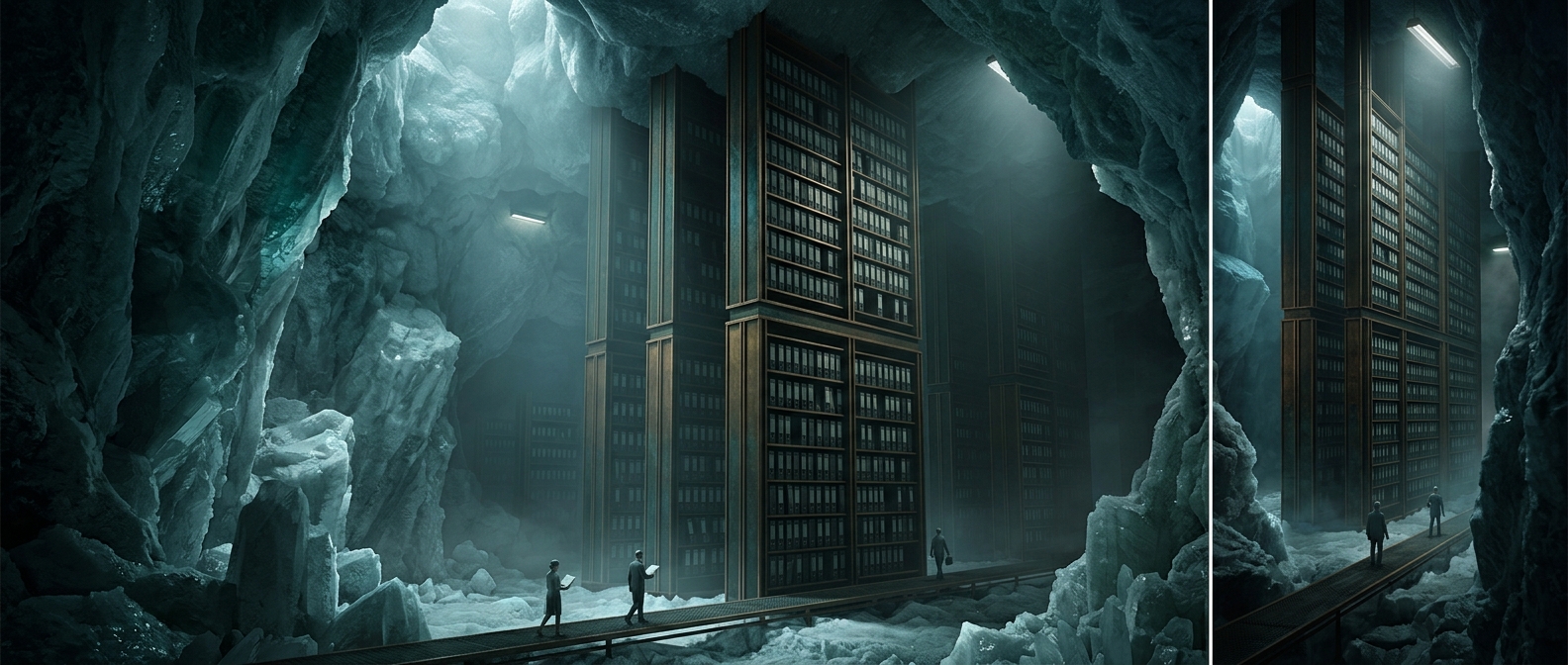
A film reel or paper file can deteriorate when its surroundings swing between hot and cold or damp and dry. Moisture encourages mold and can damage paper; changing temperatures can stress film and its containers. Deep underground, surrounding rock buffers outside weather, helping a cavern maintain steadier conditions than a surface warehouse. If the space is kept dry, that stability can slow the damage that makes old records brittle, faded, or unreadable.
The advantage is not that salt magically preserves everything. It is the mine’s large, sheltered space and relatively steady environment—features that can be adapted for storage. Historic film and sensitive documents may need different temperature and humidity settings, so an archive still has to manage the conditions inside its rooms and protect materials from water, dust, and fire.
Reusing an Extraction Site
Mining leaves behind extensive underground chambers and access routes. Converting suitable parts of a former mine into storage can make use of space that would otherwise sit idle, while the surrounding rock provides a substantial barrier between stored records and surface hazards. The tradeoff is that a cavern is not automatically an archive: operators must install climate controls, secure access, and plan for moving people and materials underground.
That combination—usable space, environmental stability, and controlled entry—makes a mine more than a giant filing cabinet. It can become a long-term store for records that are rarely consulted but may be difficult or impossible to replace.