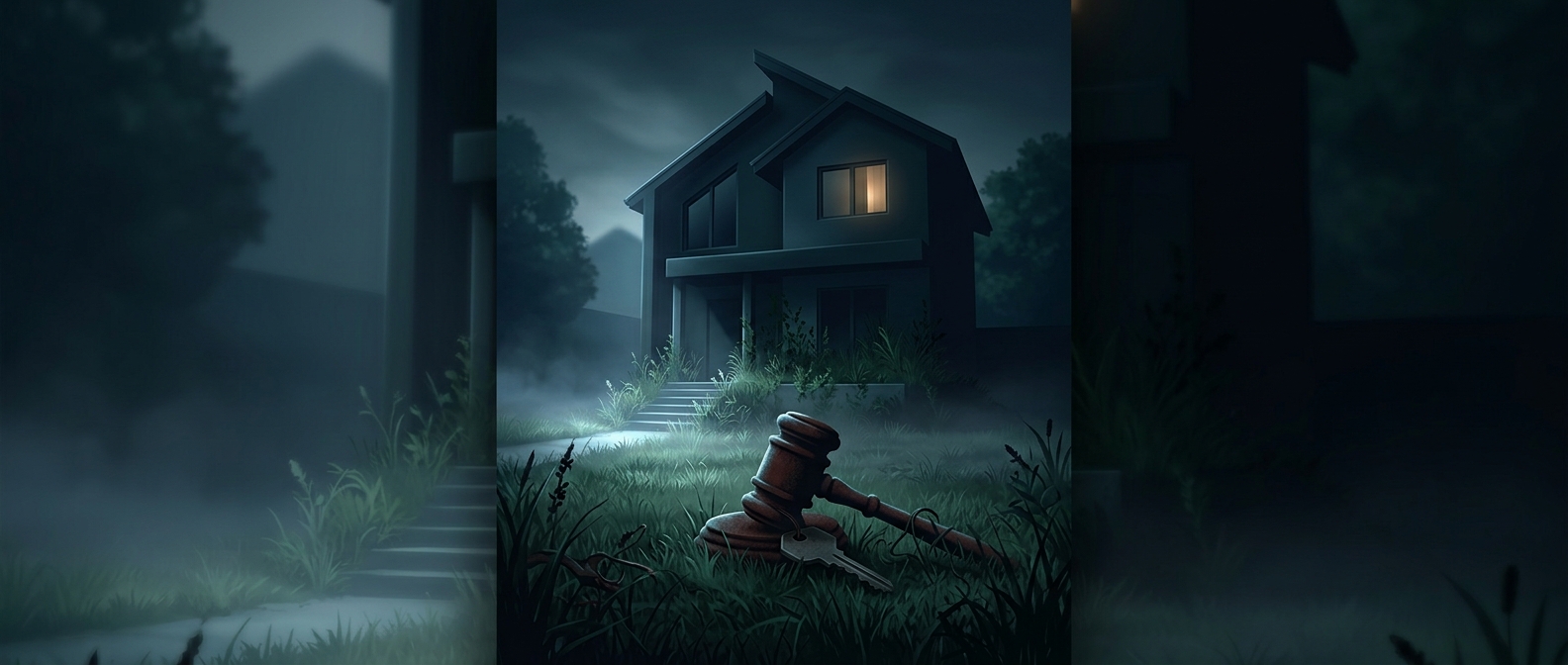
How a violation becomes a claim on the house
A homeowners association (HOA) is funded and governed by rules that apply to homes in a shared community. When an owner is accused of violating those rules—for example, by leaving a property out of compliance—the association may impose a fine if its governing documents and state law allow it. If the fine remains unpaid, the dispute can shift from a disagreement over a rule to a debt the association seeks to collect.
A lien is a legal claim attached to property to secure a debt. Depending on state law and the HOA’s documents, an association may be able to record one for unpaid charges. The lien does not mean the owner immediately loses the home, but it can complicate a sale or refinancing: the claim may have to be resolved before the transaction can go through.
Why foreclosure is possible—but not automatic
In some states, an HOA can seek foreclosure to collect a debt secured by its lien. That is a court or legal process aimed at selling the property to satisfy the claim, not an instant consequence of missing a payment. Whether a fine can support a lien or foreclosure, what procedures the association must follow, and what protections an owner has all depend on state law and the community’s governing documents. Some rules treat fines differently from unpaid assessments, the regular charges owners pay to maintain shared property.
The practical risk is that a relatively small dispute can become more expensive as collection costs and legal fees accumulate, if the governing rules and law permit them. Owners who receive a violation notice or collection demand should check the stated deadline, the HOA’s governing documents, and the applicable state process; disputing a fine or asking about a payment arrangement early may be easier than dealing with a recorded lien or a foreclosure case later.