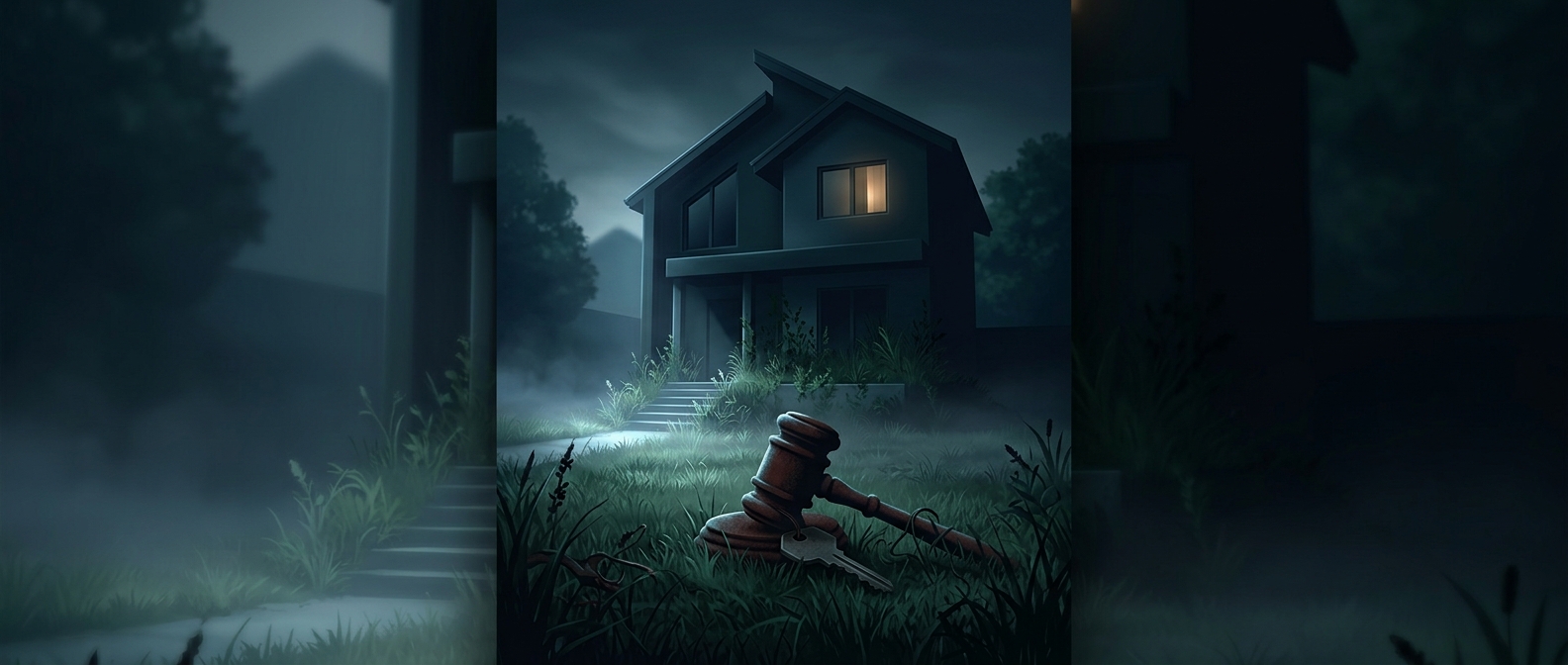
How a driveway can become a legal route
A parcel of land can be privately owned yet burdened by an easement: a limited legal right for someone else to use part of it for a specific purpose, such as reaching a public road. The neighbor does not own the driveway or gain a general right to roam the property. The right is limited to the route and use the easement allows.
When access is the issue
If a parcel has no practical way to reach a public road, a court may recognize an easement by necessity in some circumstances. Often, the key question is whether the properties were once part of the same tract and became separated in a way that left one parcel without access. The precise requirements vary by jurisdiction, and a route that is merely more convenient may not qualify as necessary.
An easement can also arise through a deed or other legal process. So the neighbor’s use is not automatically lawful just because the driveway is the easiest way out; the right must have a valid legal basis.
The right has boundaries
An easement generally does not transfer ownership. Its terms—or, where applicable, the circumstances that created it—shape what the neighbor may do and what the landowner must tolerate. The route may be limited to passage, for example, rather than parking or widening the driveway. The result is a divided bundle of rights: one person owns the ground, while another may hold a specific right to cross it.