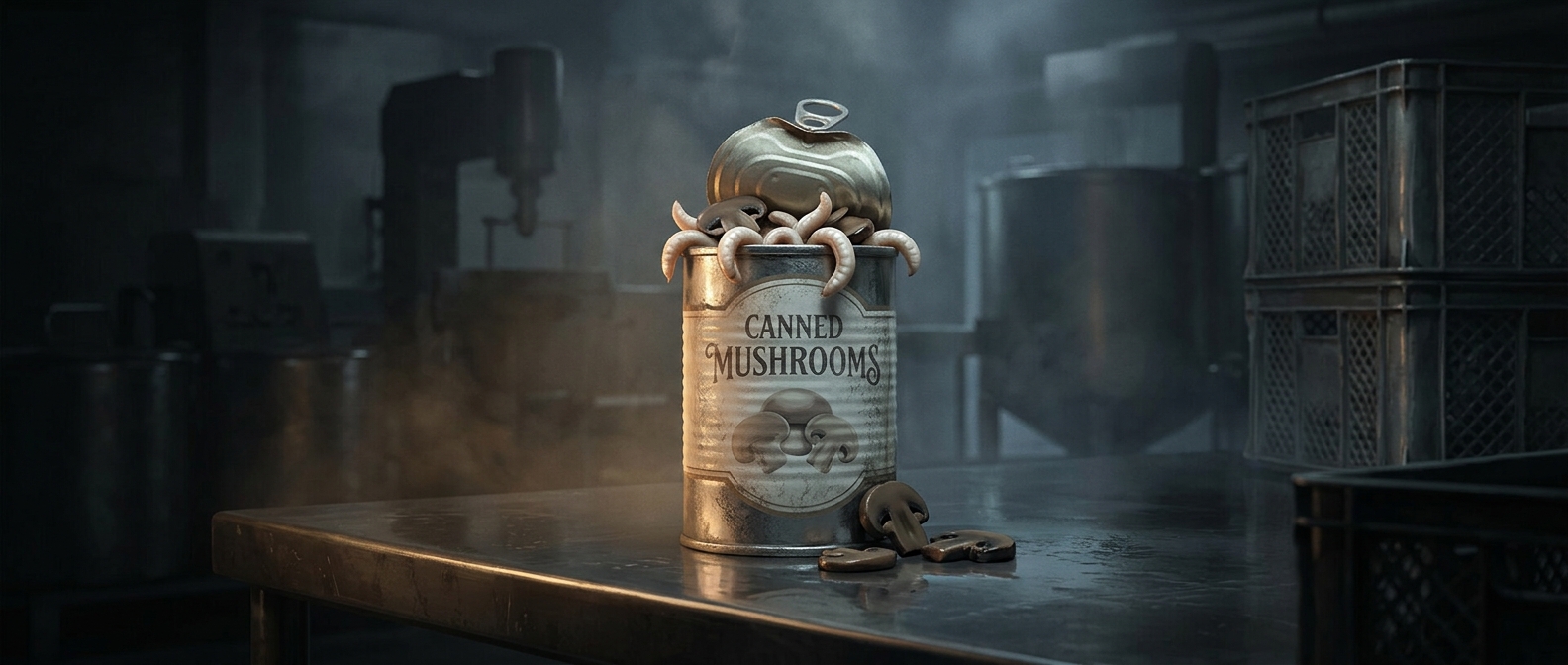
Why a known loss can feel safer
A broken arrangement has one advantage over an uncertain alternative: people know what to expect from it. They may be able to predict its costs, work around its flaws, and plan their lives around its limits. A replacement, by contrast, brings questions—Will it work? What will it cost? What if it is worse? That imbalance can make staying put feel prudent even when the current system is plainly failing.
How the status quo gains an edge
Changing course usually demands a decision. Keeping things as they are often does not. That difference matters: people may scrutinize a proposed change for every possible downside while treating the existing arrangement as the default. The familiar option also comes with known costs, while the alternative’s risks are harder to picture and compare.
In economic settings, this can reinforce itself. A customer may tolerate a service that no longer meets their needs because switching takes time and could disrupt routines. A company may keep using an outdated process because replacing it requires upfront spending, training, and a period of adjustment. Those costs are real; so is the risk that caution turns into inertia.
When staying becomes expensive
The danger is not simply preferring what is familiar. It is failing to compare the full cost of staying with the full cost of changing. A poor system can quietly drain money, time, or opportunity, while those losses become part of the routine and attract less attention than a new expense would.
A useful comparison makes both paths explicit: what will staying cost over time, and what transition costs or uncertainties come with leaving? The familiar may be easier to predict, but predictability is not the same as safety.