When a Hole in the Ground Became an Underworld Gate
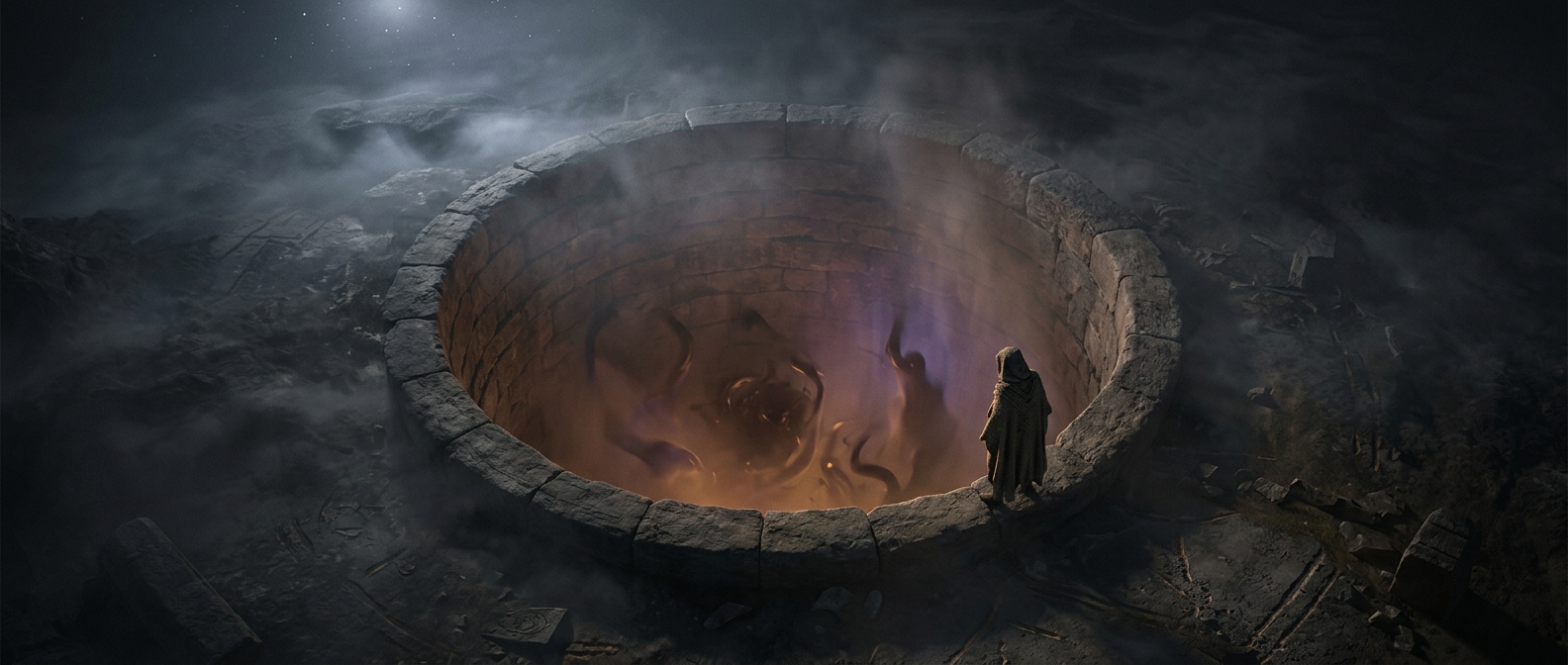
At Hierapolis, in what is now southwestern Turkey, an opening in the earth was associated with Pluto, the Roman god of the dead. The place was known as a Ploutonion—a sanctuary linked to the underworld. Its danger was not simply that it was deep: gases rising from the ground could kill animals that entered the opening, making the boundary between the living world and the dead seem physically present.
A Natural Hazard with Sacred Meaning
The gas is carbon dioxide, which can collect in low places and displace the oxygen people and animals need to breathe. Because it is invisible, the source of danger was hard to see. An animal could collapse near the opening while people standing higher up remained safe, an eerie contrast that made the site seem governed by forces ordinary visitors could not control.
That physical effect helps explain how a dangerous underground opening could become more than a feature of the landscape. In ancient religious thought, caves and fissures could be understood as thresholds: places where the everyday world touched a hidden realm. The association with Pluto gave the opening a name and a story, while the deadly air made the story feel immediate.
Why the Threshold Mattered
Such a site was not just feared; it could also be treated as sacred and approached through ritual. The same opening could inspire reverence, caution, and curiosity because it seemed to offer contact with the underworld while punishing careless entry. Its power came from the combination of an unseen natural danger and a religious explanation for what that danger meant.