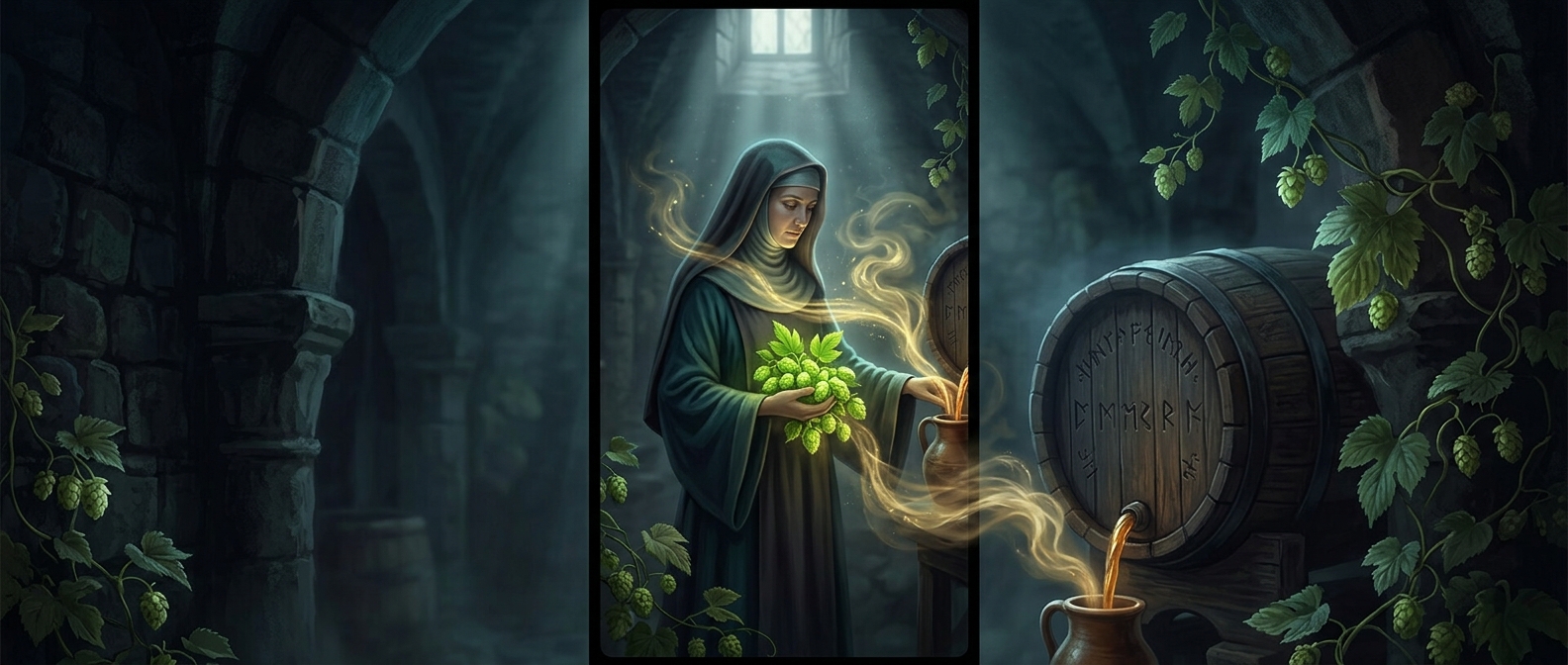
Why Trappist beer is brewed inside the monastery
Trappist beer is not simply beer made in a particular style. The name is tied to monasteries of the Trappist order, where brewing is treated as work that helps sustain the religious community. For a beer to carry the recognized Trappist designation, production must take place within or near a monastery, under the monks’ oversight, and the proceeds must serve the community or charitable purposes—not outside investors.
That arrangement makes the brewery part of monastic life rather than a separate commercial venture. Monks may supervise the work while employees handle much of the practical labor, especially as production grows. The monastery’s involvement and control are central to what distinguishes Trappist beer from a beer that merely imitates its flavor or label.
Poverty does not mean the monastery owns nothing
A vow of poverty concerns the monk’s personal relationship to possessions; it does not require the monastery to operate without shared resources. A religious community still has buildings to maintain, food and supplies to provide, and responsibilities to meet. Brewing can generate income for those needs, with any surplus directed toward charitable work.
The distinction is between personal wealth and communal stewardship. A monk does not claim the brewery’s earnings as private income; the community manages them for its collective life and obligations. The beer’s commercial success supports the monastery, not individual monks’ fortunes.