A Tour Designed Around What Visitors Can See
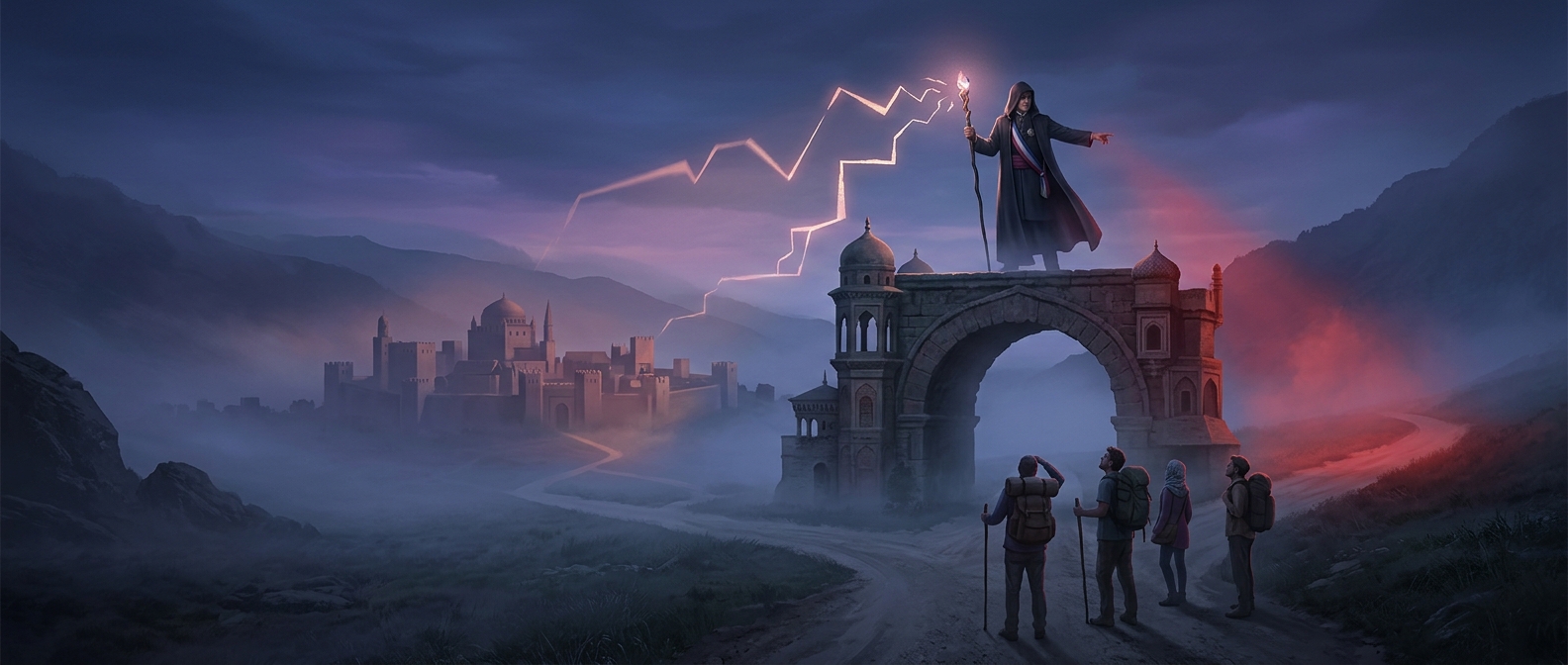
In North Korea, tourism is organized less like independent travel and more like a supervised route through places the state has chosen to show. Visitors generally move with official guides, or minders, who shape the itinerary and oversee where the group goes. That arrangement does more than keep travelers on schedule: it limits which parts of everyday life they can encounter for themselves.
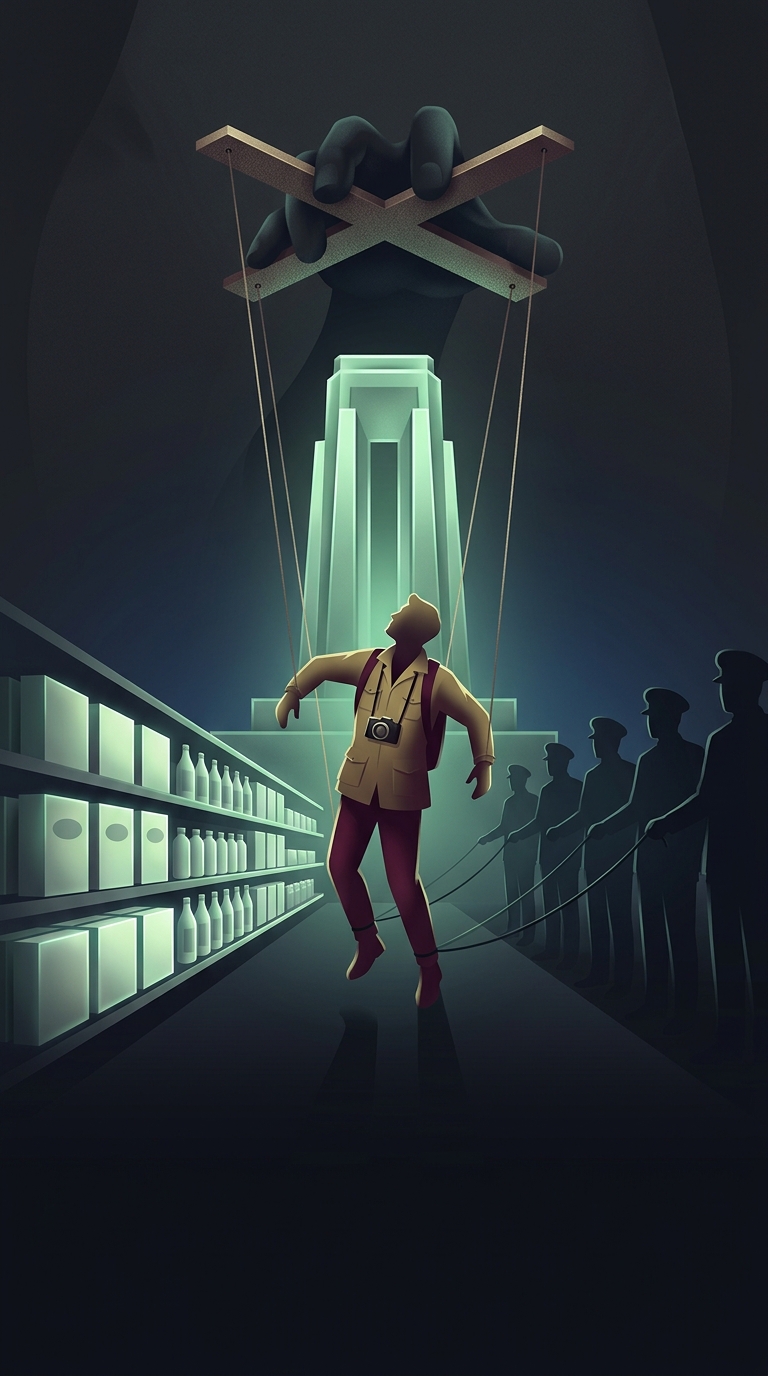
Showcase stops—including carefully presented shops and monuments—offer a planned picture of the country. A grocery store arranged for visitors, for example, is not necessarily a window into how ordinary residents shop. Its significance lies in the contrast between a display prepared for outsiders and the less accessible routines beyond the tour.
The Guide Controls More Than Directions
Minders also influence what visitors can record and whom they can approach. Photography restrictions can keep images from circulating without context, while limits on unscripted conversations make it harder for a traveler to compare the official presentation with local accounts. The guide is therefore both an interpreter of the sights and a gatekeeper to them.
This changes what a visitor’s experience can establish. A polished monument or stocked display may be real, but seeing it does not show how representative it is of life across the country. The itinerary itself is part of the message: it determines which scenes become evidence and which remain out of view. A traveler may return with vivid photographs, yet still have seen only the carefully bounded slice of the country their route allowed.