How a Belgian cloth became a bag name
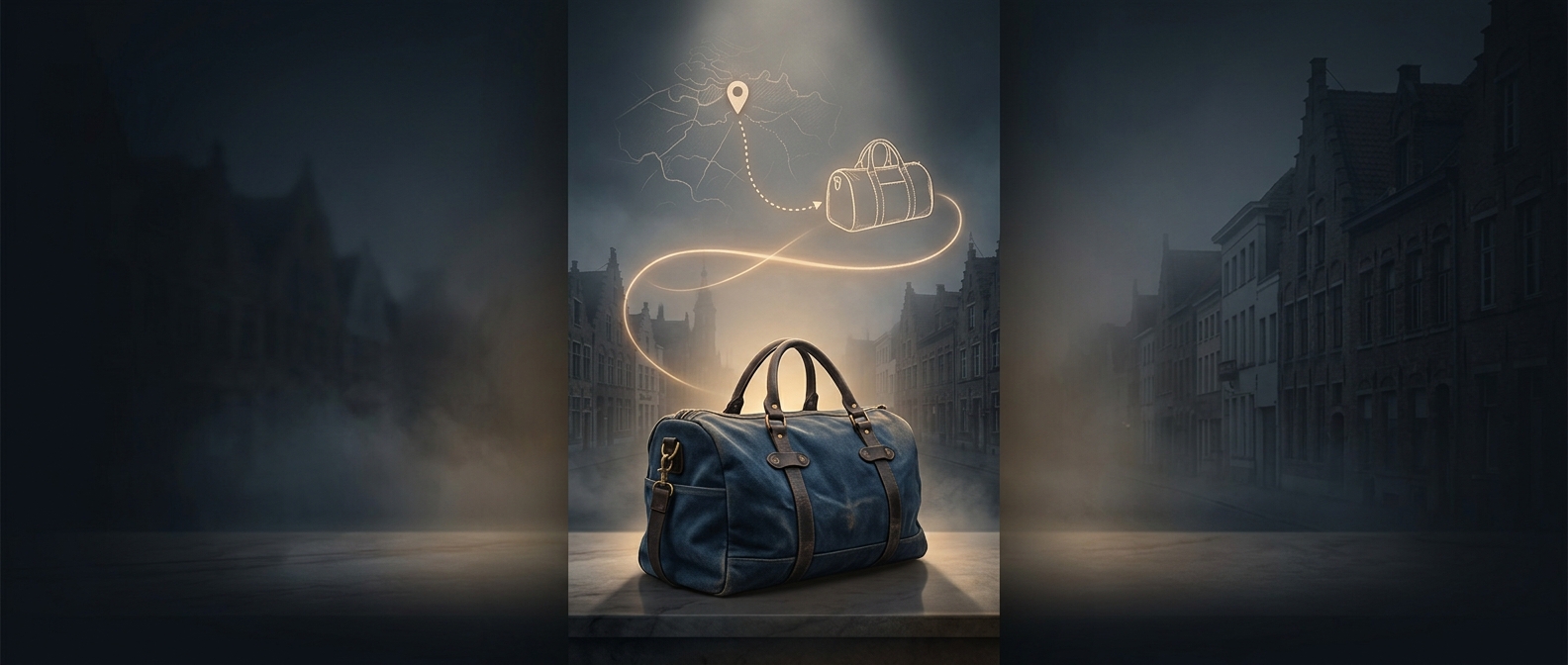
Duffel began as the name of a town near Antwerp, but it traveled farther as the name of a sturdy, coarse wool cloth made there. The fabric’s weight and durability suited hard use: soldiers could pack their belongings in bags made from it without needing delicate construction or materials.
Over time, the material name became attached to the kind of bag made from it. That shift is a familiar pattern in language: a place lends its name to a product, and the product’s name later sticks even when the original material or location is no longer part of the item.
The name outlasted the fabric
A modern duffel bag need not contain wool from Belgium—or wool at all. The word now describes a practical bag shape, usually roomy and soft-sided, rather than certifying where it was made or what it is made from. So when you pack one for a trip, you are carrying a small piece of industrial history in the name, even if the bag itself is synthetic and factory-made.