A candy partnership built around a scarce ingredient
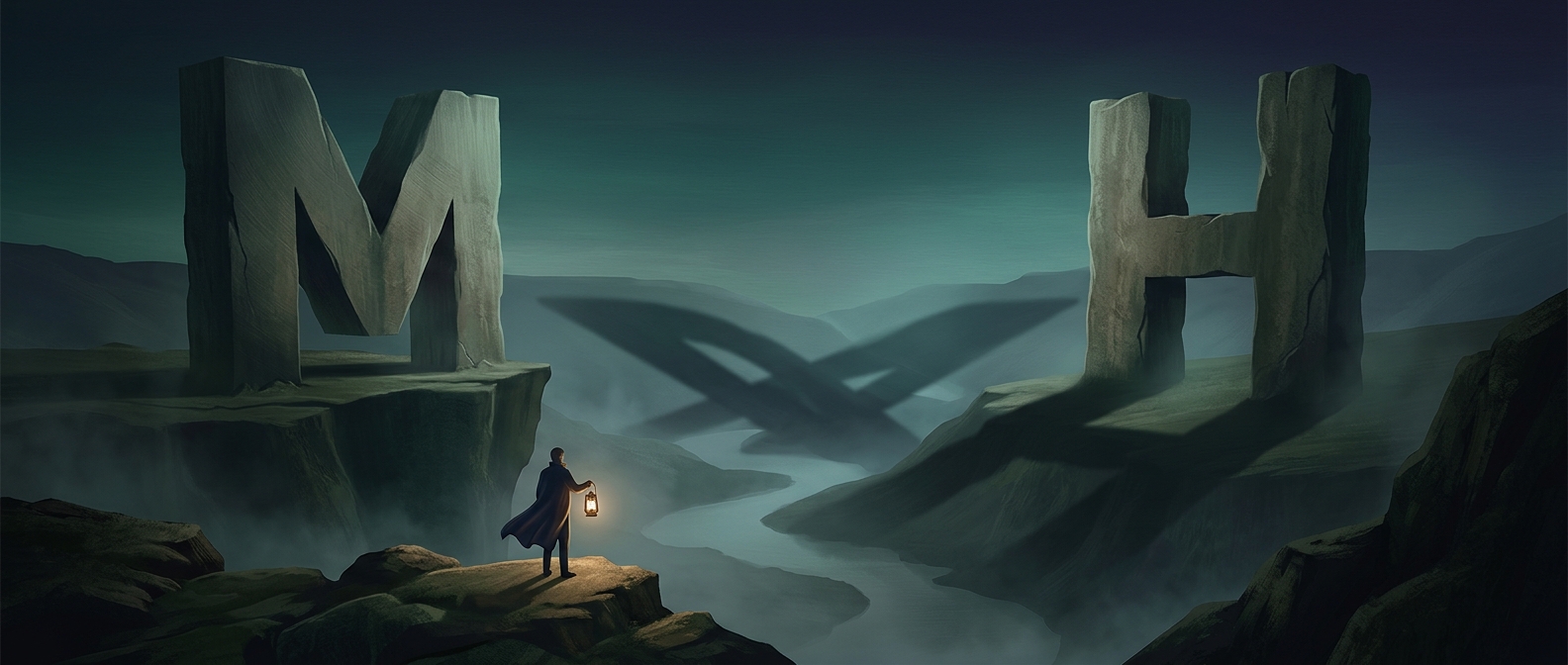
The two M’s stand for Forrest Mars and Bruce Murrie. Their partnership linked Mars, the son of a candy-company founder, with Murrie, whose father was a senior executive at Hershey. That connection mattered because the wartime obstacle was not simply how to make a new candy: it was how to obtain chocolate when supplies were constrained.
Chocolate was rationed during World War II, and a dependable source could determine whether a candy could be produced at all. Murrie’s Hershey ties helped Mars secure chocolate for the venture. In return, Murrie had a stake in the business. The arrangement joined access to a key ingredient with the manufacturing effort needed to turn it into a product.
Why coat the chocolate?
The candy’s hard sugar shell solved another practical problem. It kept the chocolate from melting as easily in warm conditions, making the pieces easier to carry and distribute. That mattered to soldiers, among the early customers for the candy, and later to consumers more broadly.
So the partnership addressed two linked constraints: getting chocolate during wartime scarcity and making it more portable. The name preserves the business deal behind the candy—a collaboration that joined Mars’s ambition with Murrie’s connection to a crucial supply.