The camera often recorded fewer frames per second
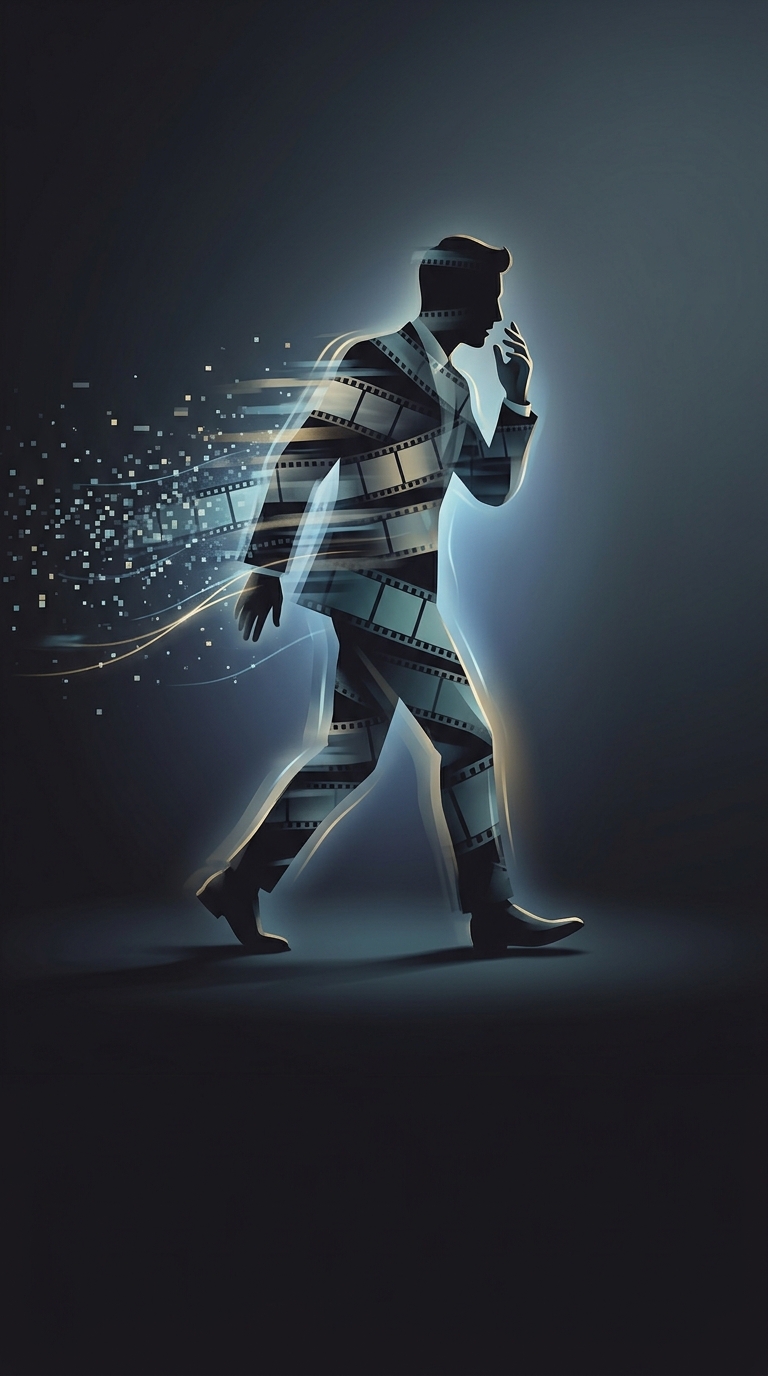
That hurried, jerky gait is partly a mismatch between the speed at which early films were made and the speed at which modern audiences see them. Silent-film cameras were often operated by hand cranks, and filmmakers commonly recorded fewer images per second than the 24 frames per second that later became standard for sound movies. Cranking speed could also vary from shot to shot.
A film records motion as a series of still pictures. If someone walks across the scene in, say, 16 recorded frames each second, but those frames are later shown at 24 per second, the same walk is squeezed into less time. The person appears to move faster. Uneven cranking can make that motion look more erratic, too.
Sound changed the pace of movies
When synchronized sound arrived, movies needed a steady playback speed so dialogue and other audio would stay aligned with the image. The industry settled on 24 frames per second, and silent films shown at that rate could take on an unintended comic briskness. The contrast is especially noticeable in ordinary gestures: a turn, a wave, or a walk that would have looked natural at the original speed becomes a quick, staccato performance.
Not every silent film was shot at the same speed, and filmmakers sometimes used fast motion deliberately. Restorers may also adjust playback speed to make an old film look closer to its intended pace. So the familiar effect is not simply how silent-era acting looked; it can be the consequence of showing yesterday’s images at tomorrow’s standard speed.