Why a Stare Can’t Start a Fire
A person can focus attention, change their breathing, or tense their muscles—but none of those actions supplies the heat needed to ignite an object. Fire begins when a material gets hot enough to react rapidly with oxygen. The ignition source might be a flame, a spark, or a heated surface; focused thought is not one.
The Missing Link Is Physical Energy
Mental effort does involve electrical and chemical activity in the brain, but that energy is used locally to run nerve cells. It does not travel outward as a concentrated beam capable of heating a distant object. Even intense concentration has no known mechanism for delivering enough energy to raise paper, wood, or another fuel to its ignition temperature.
That distinction can be easy to miss when a flame appears just as someone concentrates. A hidden ember, a nearby heat source, or a combustible material already warmed by its surroundings can make ignition look sudden—and make timing seem like causation. In demonstrations, concealed ignition methods or ordinary stagecraft can create the same impression.
Why the Claim Persists
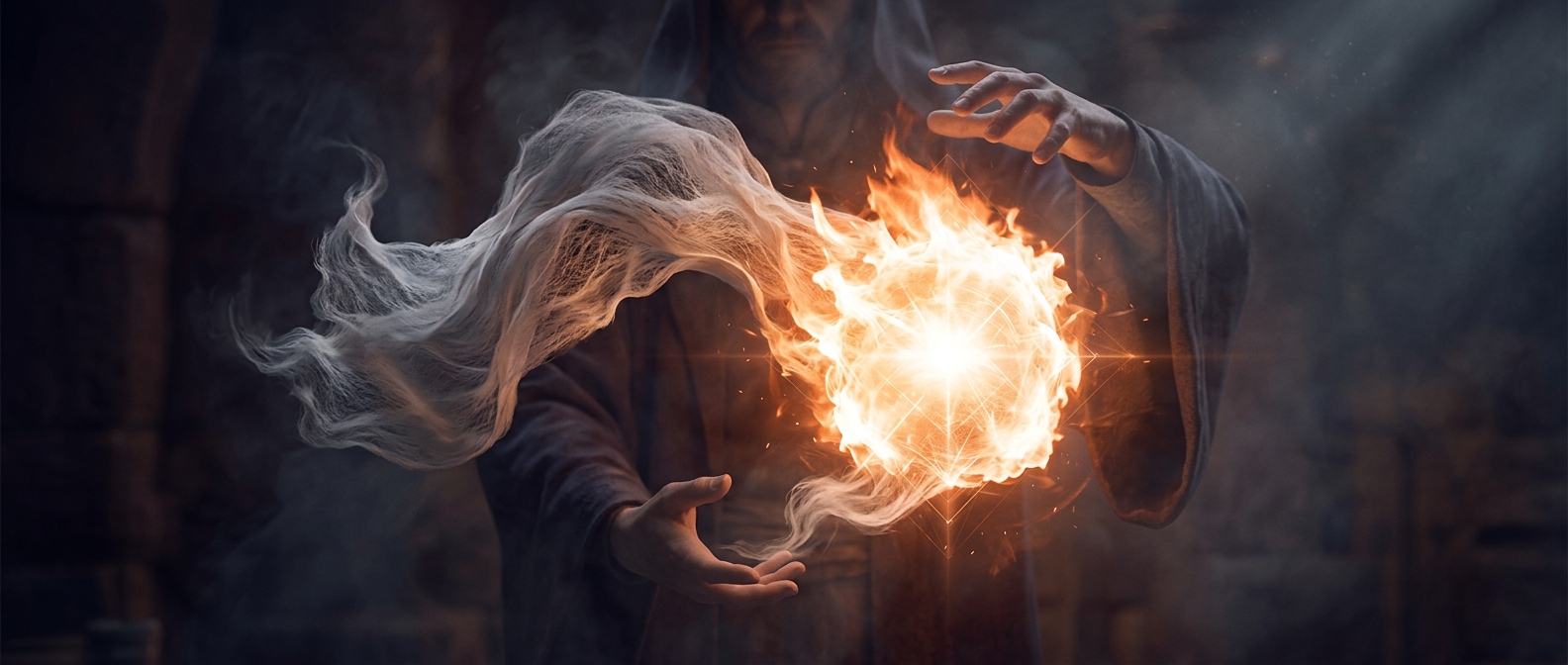
Stories of mind-powered fire draw on a vivid idea: that willpower can directly reshape the physical world. But an impressive coincidence or staged effect is not evidence of a repeatable ability. A real mental ignition effect would need to produce measurable heat at the target, with no physical heat source accounting for it. No confirmed cases establish that this happens.
So the practical explanation for a fire that starts during an intense stare is still a physical one: some source of heat reached the fuel. The stare may be part of the performance, but it is not the spark.