Why a Moving Flame Can Feel Like an Answer
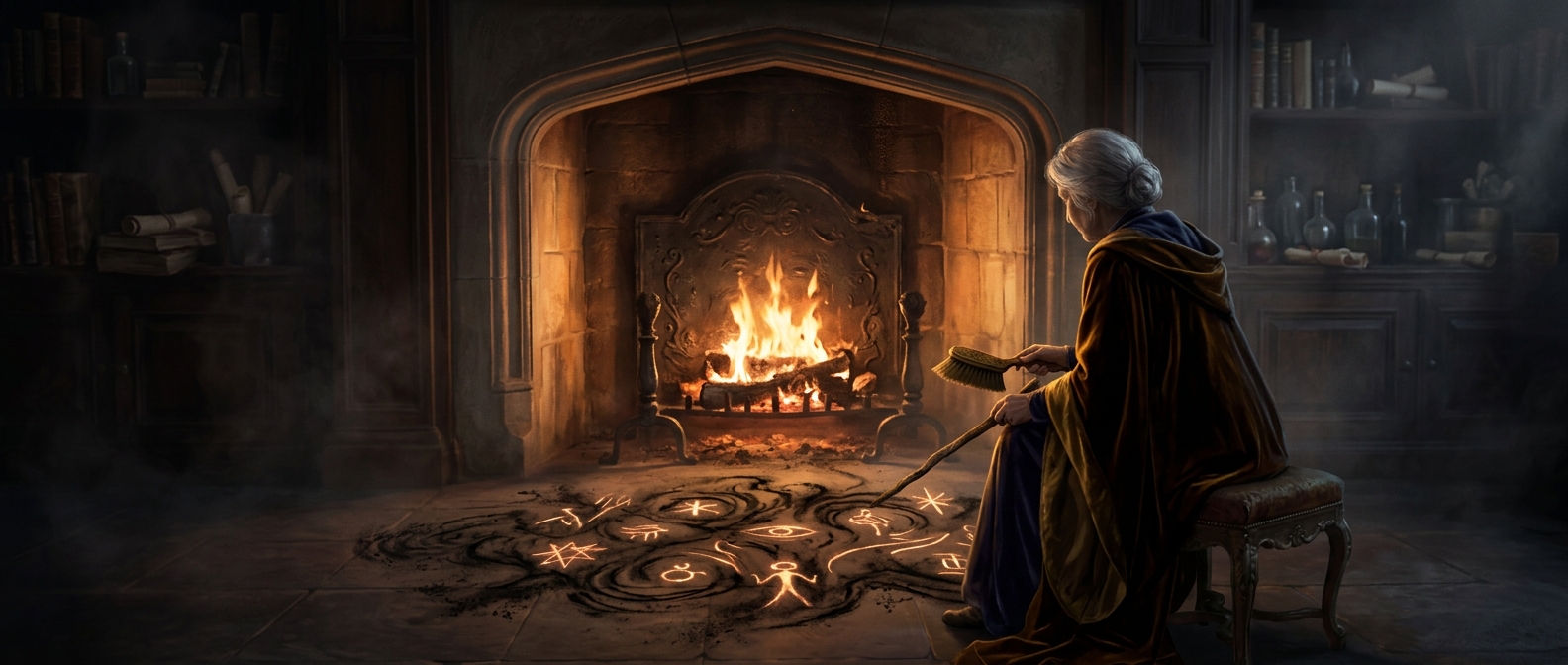
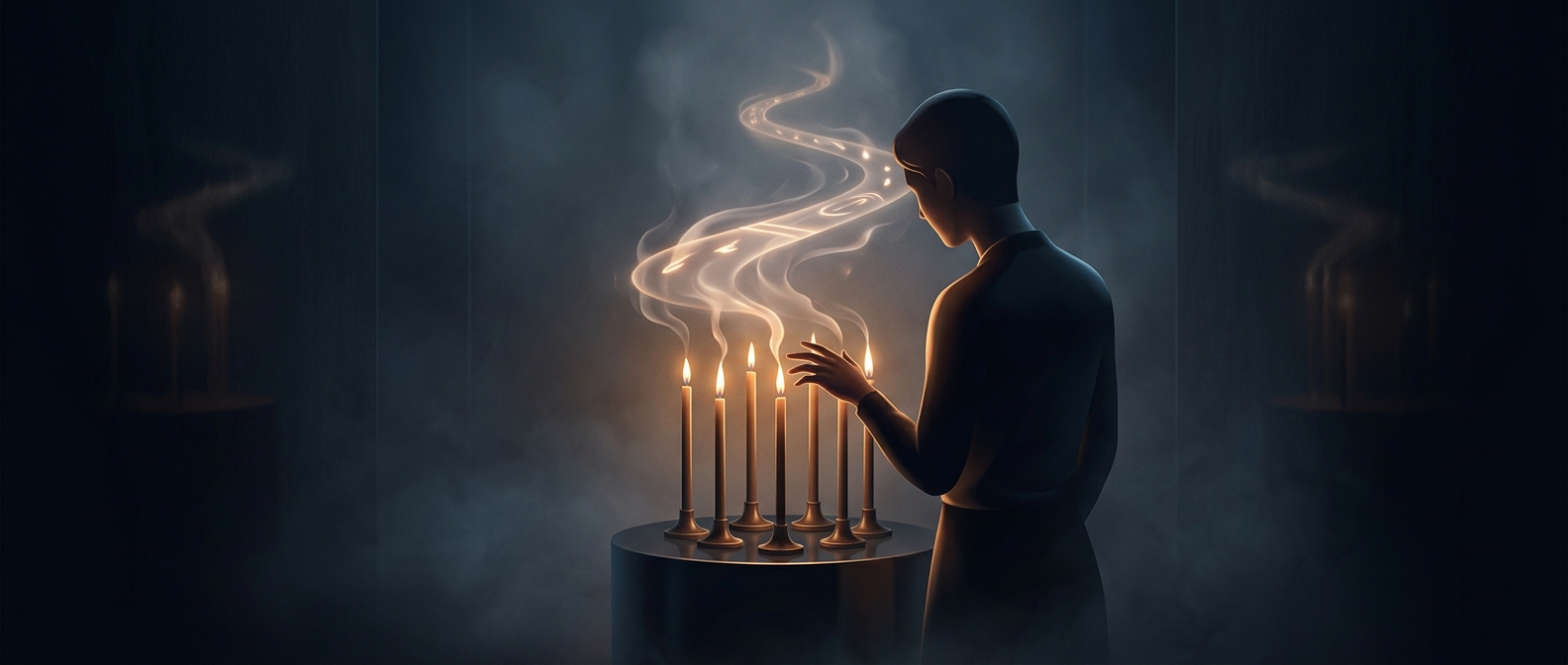
In traditions that seek guidance from a lamp flame, its motion becomes something to interpret rather than mere background. A steady burn, a sudden flutter, a spark, or a flame leaning to one side can be treated as a sign. The meaning depends on the tradition and the question being asked; there is no single universal code for what each movement means.
The practice gives an uncertain question a visible focus. Instead of reasoning only in the abstract, a person watches a small, changing event and considers what it might signify. That can make the act feel immediate and personal: the “answer” appears to unfold in front of the observer.
The Flame Has Its Own Causes
A lamp flame is also a physical process. It stays lit as vapor from the fuel burns, while the rising hot air around it pulls in cooler air. A draft can disturb that flow and bend or flutter the flame; changes in the wick or fuel can make it sputter or spark. Those ordinary causes do not erase the meaning a tradition assigns to the event, but they help explain why the same lamp may behave differently from one moment to the next.
That overlap is part of the practice’s pull: a flame is both a real, shifting phenomenon and a surface for interpretation. Its movement can prompt someone to reflect on a choice, even when the motion itself has a mundane cause.