How Fire Made a Bone Seem to Speak
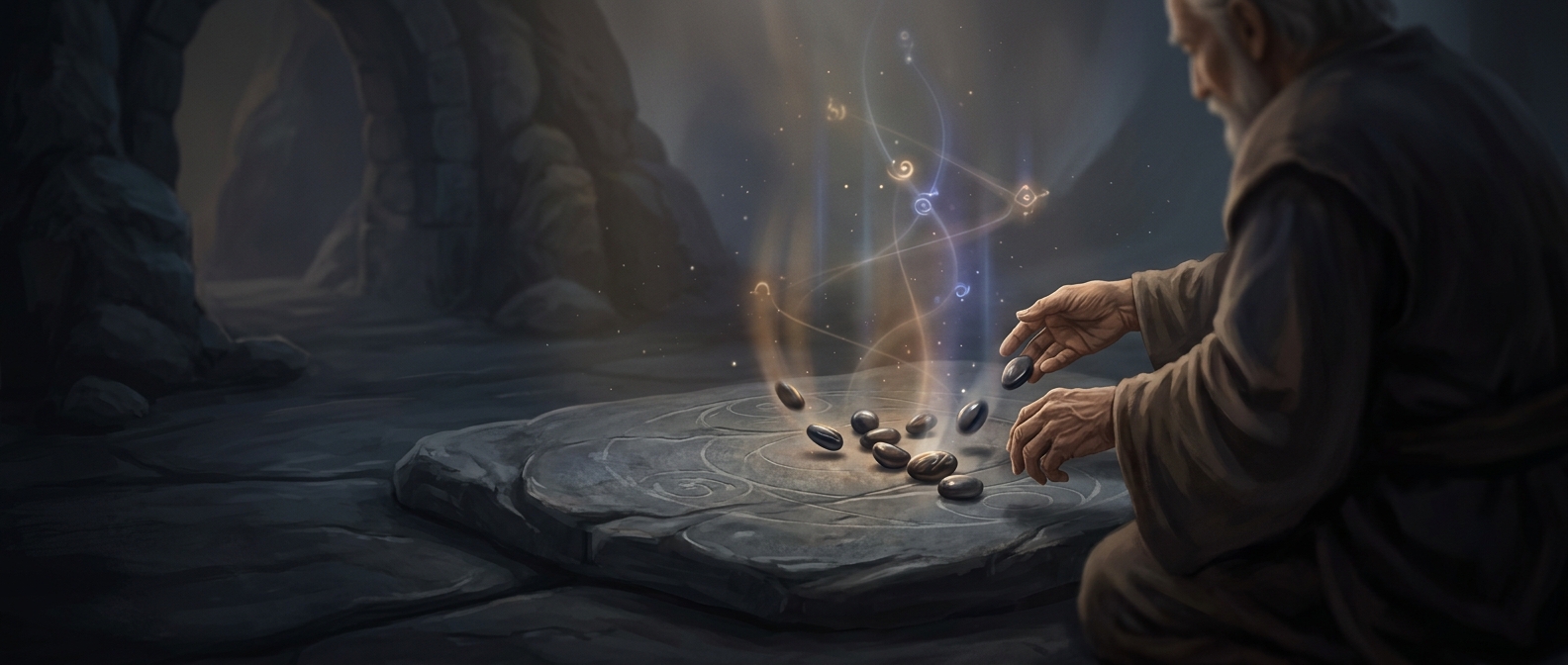
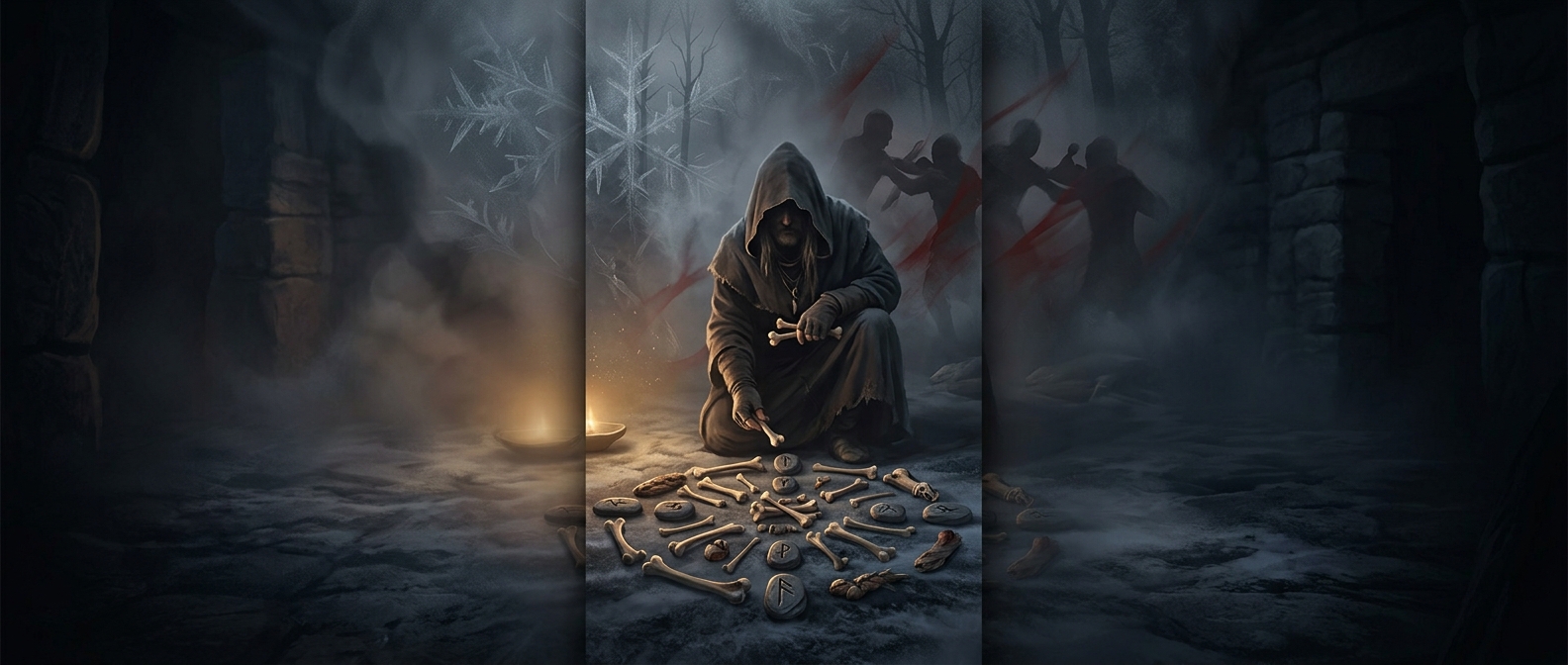
In some divination traditions, a ritual specialist heated an animal bone—often a flat bone such as a shoulder blade—until it cracked. The heat made the bone’s structure split along irregular lines. The reader then treated the resulting marks as signs to interpret, rather than as random damage.
The practice is often called scapulimancy, a term for divination using shoulder blades. In related methods, people heated animal bones or shells and read the cracks that appeared. Details varied across places and periods; there was no single universal code that made a particular crack mean the same thing everywhere.
Turning a Crack into Guidance
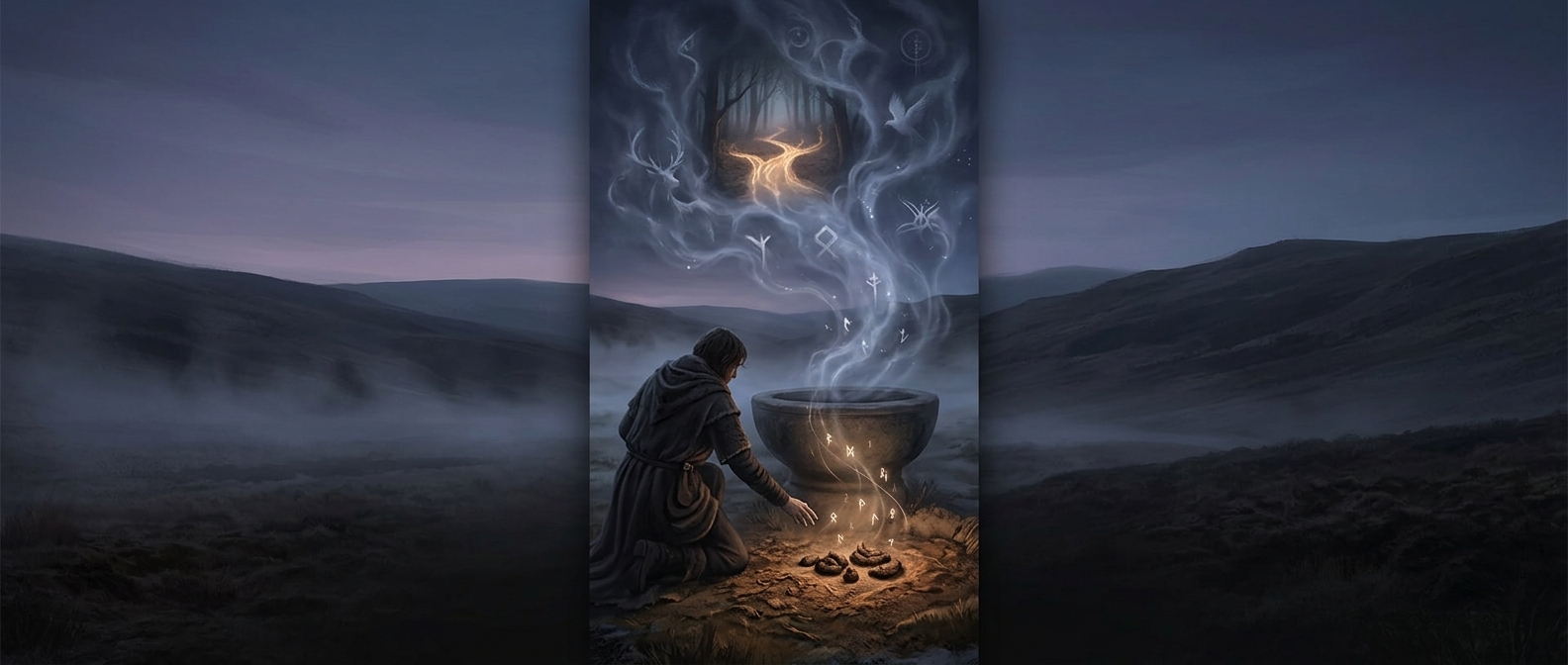
A crack could be understood in relation to a question brought to the ritual: whether a journey was safe, whether a harvest would fare well, or whether danger threatened a community. The specialist’s role was not simply to inspect the bone, but to give its marks meaning within the beliefs and circumstances shared by the people present.
That helps explain why predictions of harsh winters or betrayal could carry weight. A warning did not need to be a precise forecast to affect behavior. It could shape preparations, intensify suspicion, or prompt people to seek reassurance before making a consequential choice. The reading offered a way to confront uncertainty by turning it into something visible and discussable.
The Bone as a Record of a Moment
Fire supplied the physical pattern; interpretation supplied the message. Because cracks form unpredictably, a reading could feel like an answer arriving from beyond ordinary human planning, while the ritual gave the group a setting in which to consider what the answer might mean. The same burnt mark could therefore matter less as a fixed symbol than as part of a particular question, ceremony, and community.
What remained afterward was tangible: a scorched bone bearing the lines that people had gathered to read.