Why the ropes can hit back
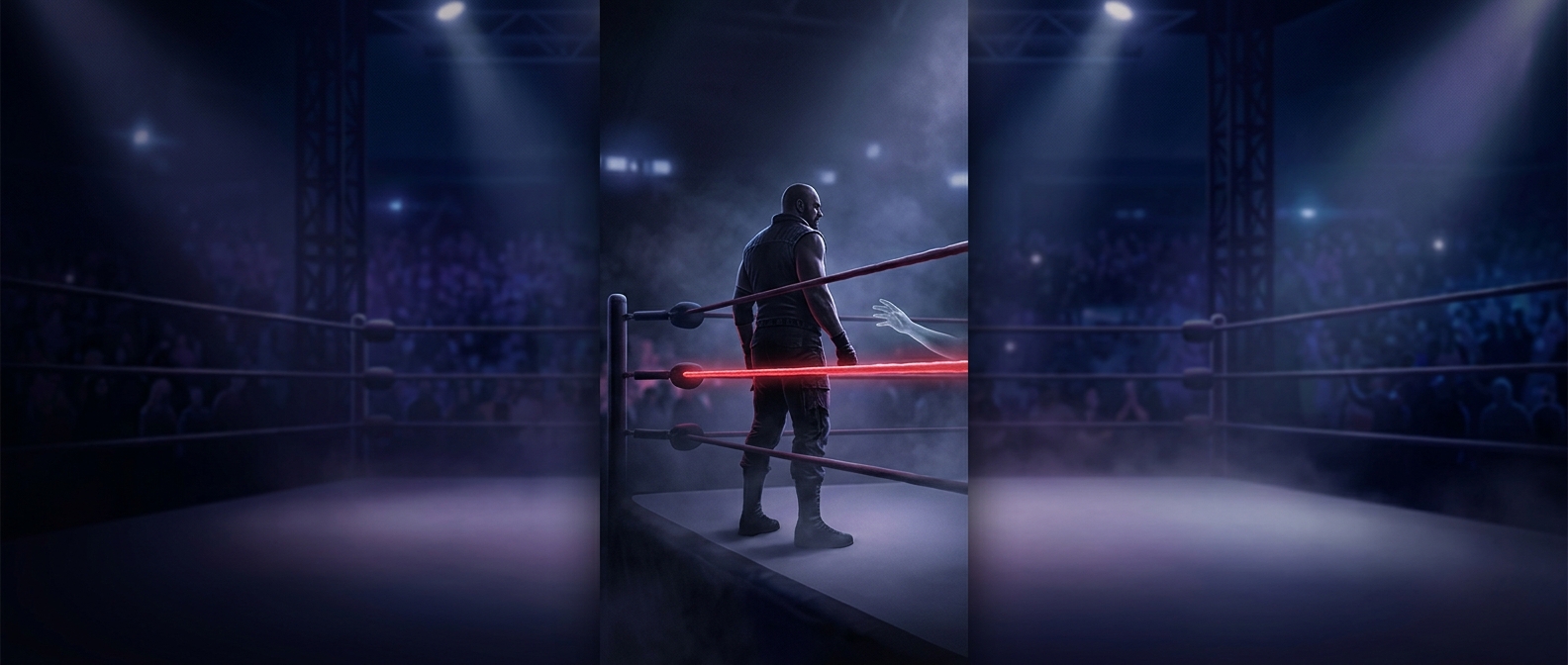
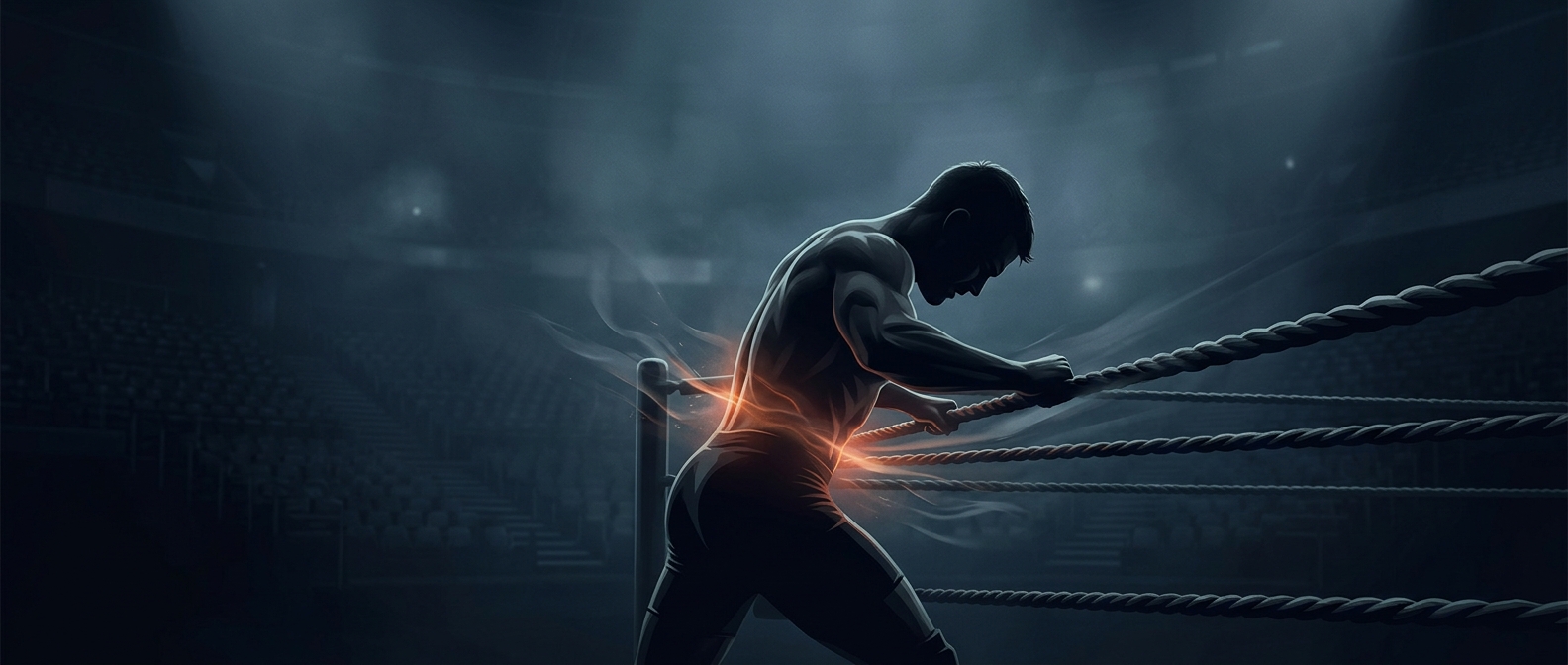
A wrestler’s rebound from the ropes is not simply a bounce from a springy surface. In rings that use tightly tensioned steel cables, the cable barely stretches; its job is to hold its shape under repeated impact. The colored wrapping may soften the contact somewhat, but it is not the thick cushioning you would find on a padded mat. When a wrestler leans or runs into the ropes, their body compresses against a narrow, firm line, then pushes away to continue the planned movement.
That exchange helps make a rope run look fast and forceful. The wrestler supplies the momentum, and the tensioned cable redirects it. The ring does not launch them on its own, and the rebound is not painless just because it is part of a performance.
A performance built around controlled contact
Wrestlers learn how to approach, meet, and leave the ropes so the impact is distributed and the next move can be timed with a partner. Small adjustments in posture and speed matter: a hard collision can hurt, while a mistimed rebound can disrupt the choreography or throw someone off balance. The wrapping also gives the ropes a visible surface and helps protect against direct contact with bare cable, but it cannot make a taut cable feel like soft cord.
The result is a useful part of wrestling’s visual language: a quick rebound that reads as elastic and dramatic to the audience, even when the performer feels a sharp, concentrated hit.