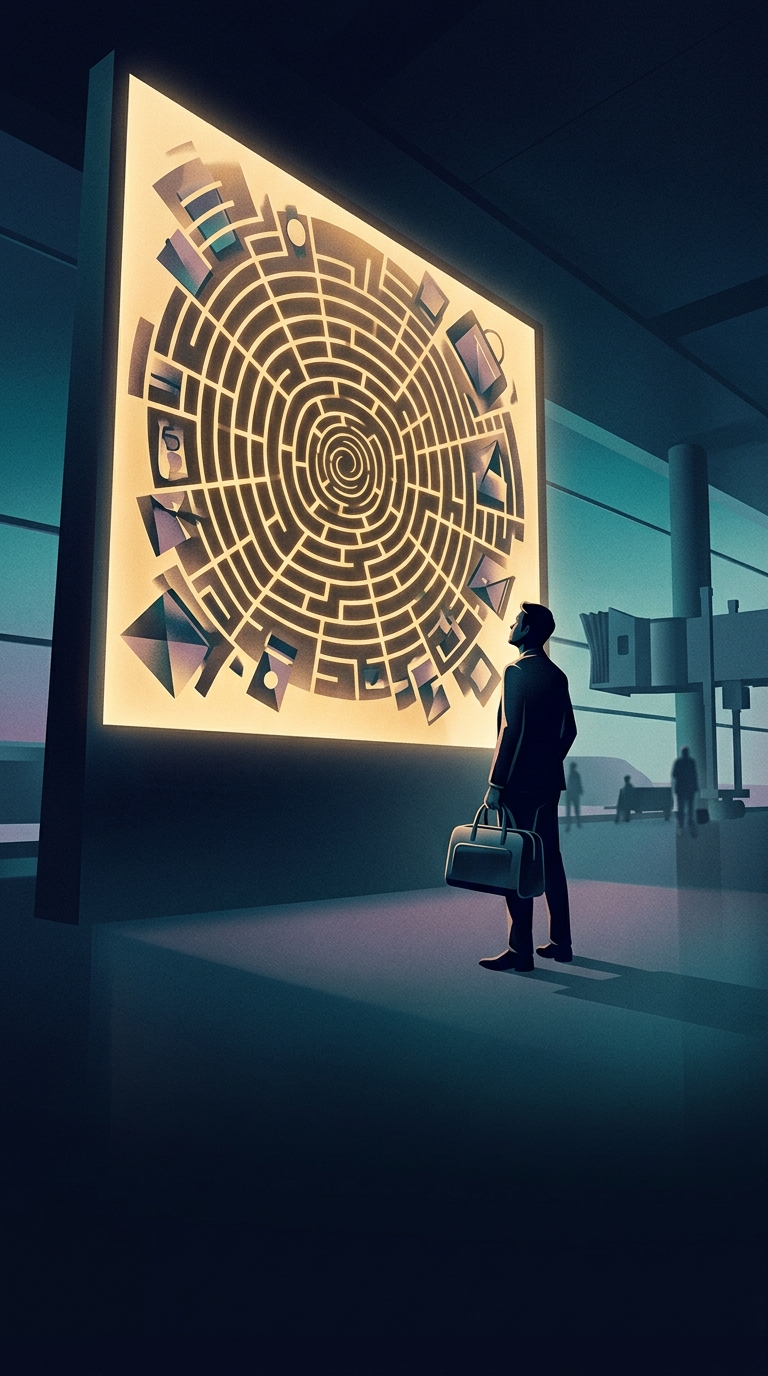
Why a Casino Floor Can Feel Timeless
On many Las Vegas casino floors, daylight is hard to see and clocks are hard to find. That does not mean every casino is bound by a blanket ban on windows or wall clocks. Rather, the environment is often arranged to make the time of day less noticeable: enclosed interiors, steady artificial light and a continuous wash of machine sounds blur the cues people normally use to mark passing hours.
How the Room Disrupts Your Sense of Time
Outside, changing light, meals and ordinary errands help divide a day into recognizable parts. On a casino floor, those signals may be missing or muted. Slot machines repeat bright animations and sounds; table games create their own rhythms of wagers, results and the next round. When attention stays fixed on these immediate events, it is easy to lose track of how long you have been playing.
The effect is not a literal suspension of time. It is a shift in attention: instead of checking the hour or noticing dusk, a player keeps responding to the next game. A clock or a window would offer a clear interruption—an easy moment to compare the room with the world outside—so minimizing those reminders can help keep the gaming experience self-contained.
A Design That Serves the Business
Casinos want guests to feel comfortable staying, and gaming is a central reason for many casino-floor design choices. Consistent lighting and a busy, stimulating atmosphere can make the space feel active at any hour, while the lack of obvious time cues makes it less likely that a visitor will pause simply because the day has moved on.
That design does not compel anyone to gamble, and players still make their own decisions. But it can make one decision—taking a break, checking the time or heading out—less likely to come naturally. The practical safeguard is simple: set a departure time before entering, and check it deliberately rather than waiting for the room to remind you.