A virtual queue turns waiting into free time
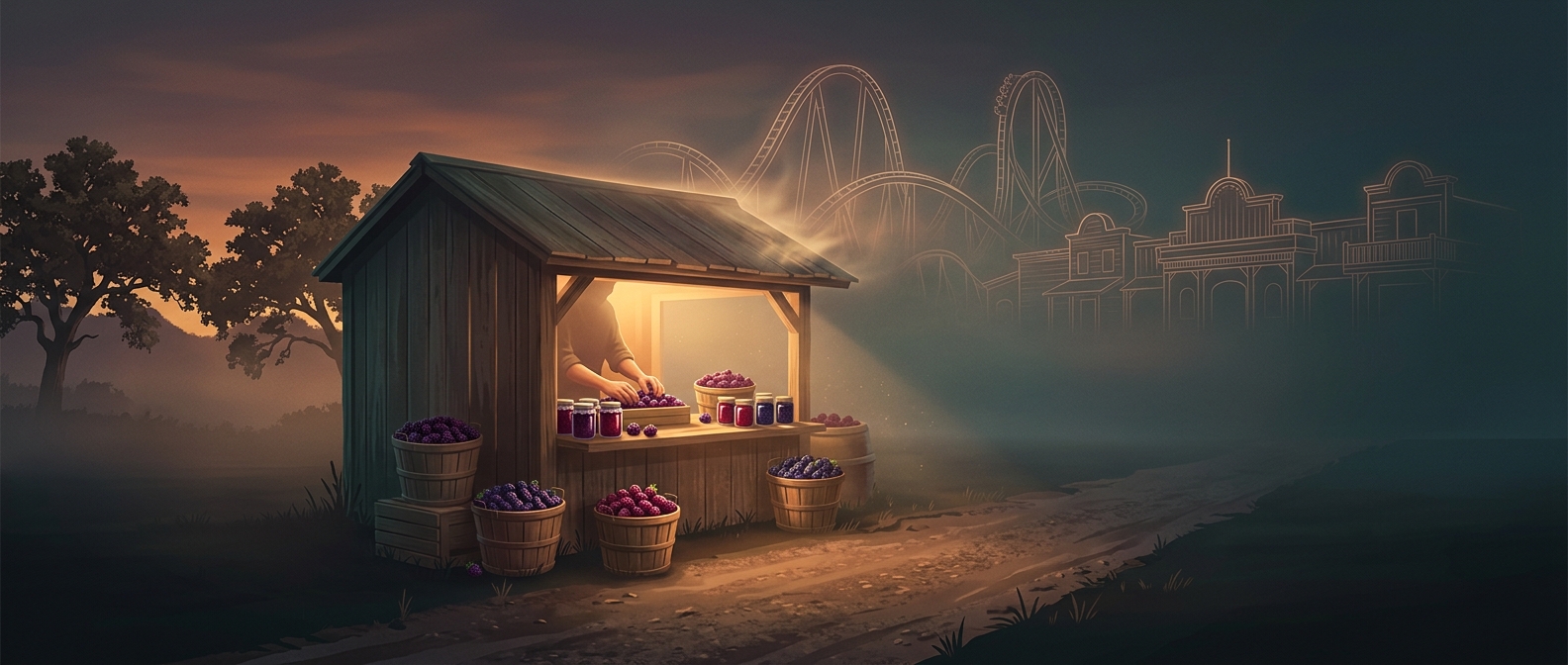
A conventional ride line keeps guests in one place until they reach the loading area. A virtual queue changes where that waiting happens: guests join through a reservation system, then return when their place is ready. The wait has not vanished, but it no longer occupies a long stretch of physical queue.
That shift matters to a park. People who are not standing in line can move through nearby paths, browse, get a snack, or visit another attraction. The time becomes flexible—and flexible time creates more chances to spend.
Why shops are part of the layout
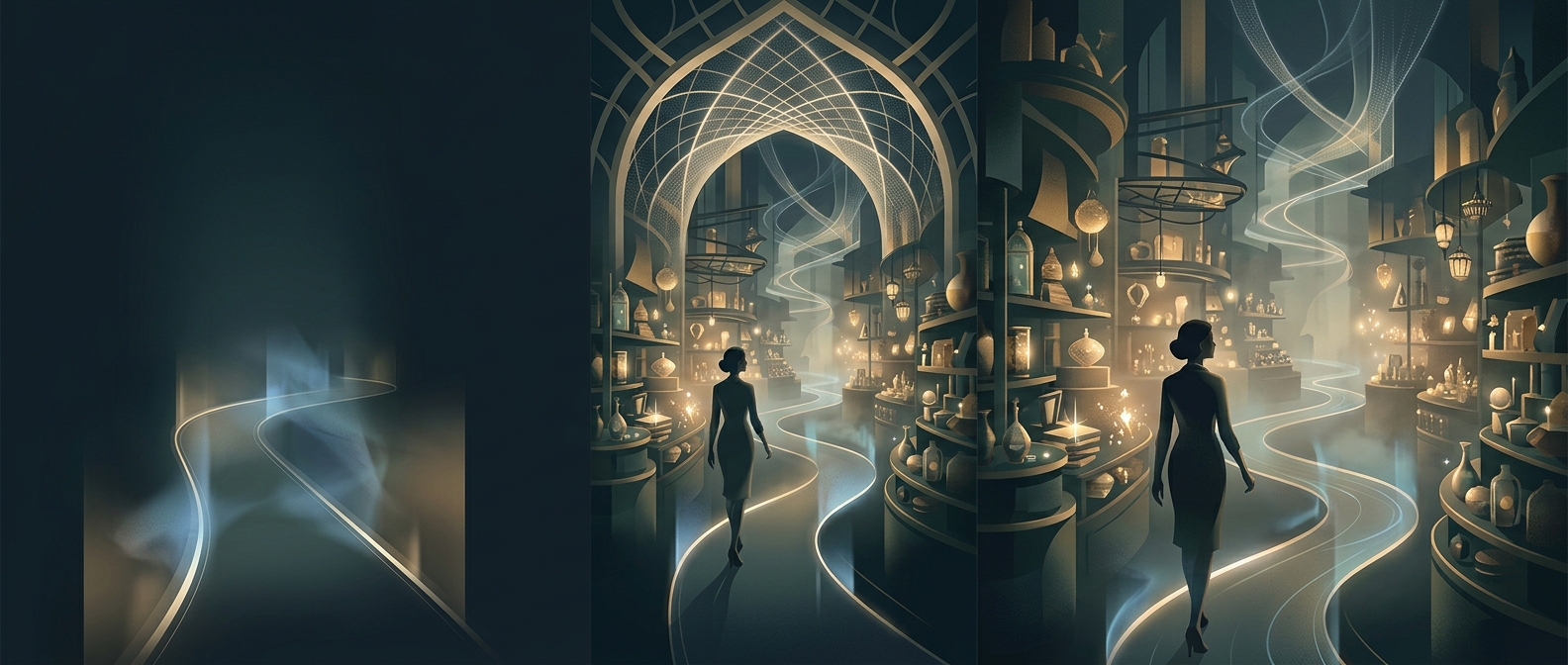
Retailers benefit from foot traffic, especially when visitors are relaxed enough to look around rather than focused on inching forward. A shop near a ride entrance, exit, or return route can catch guests during that unstructured interval. Merchandise tied to the attraction can make the stop feel like part of the experience, while small items or treats are easy impulse purchases.
The arrangement also trades one kind of crowding for another. Moving guests out of a single line can ease congestion around the ride, but it sends them elsewhere in the park. Nearby shops and walkways become places where that newly mobile crowd may pause.
The business tradeoff
For guests, the benefit is choice: waiting can happen alongside other activities instead of in a fixed queue. For the park, the same change can keep visitors circulating past food and retail. A virtual queue therefore does more than organize access to a ride; it changes where guests spend their waiting time—and which businesses get a chance to capture it.