Why a Few Raindrops Matter at 128 mph
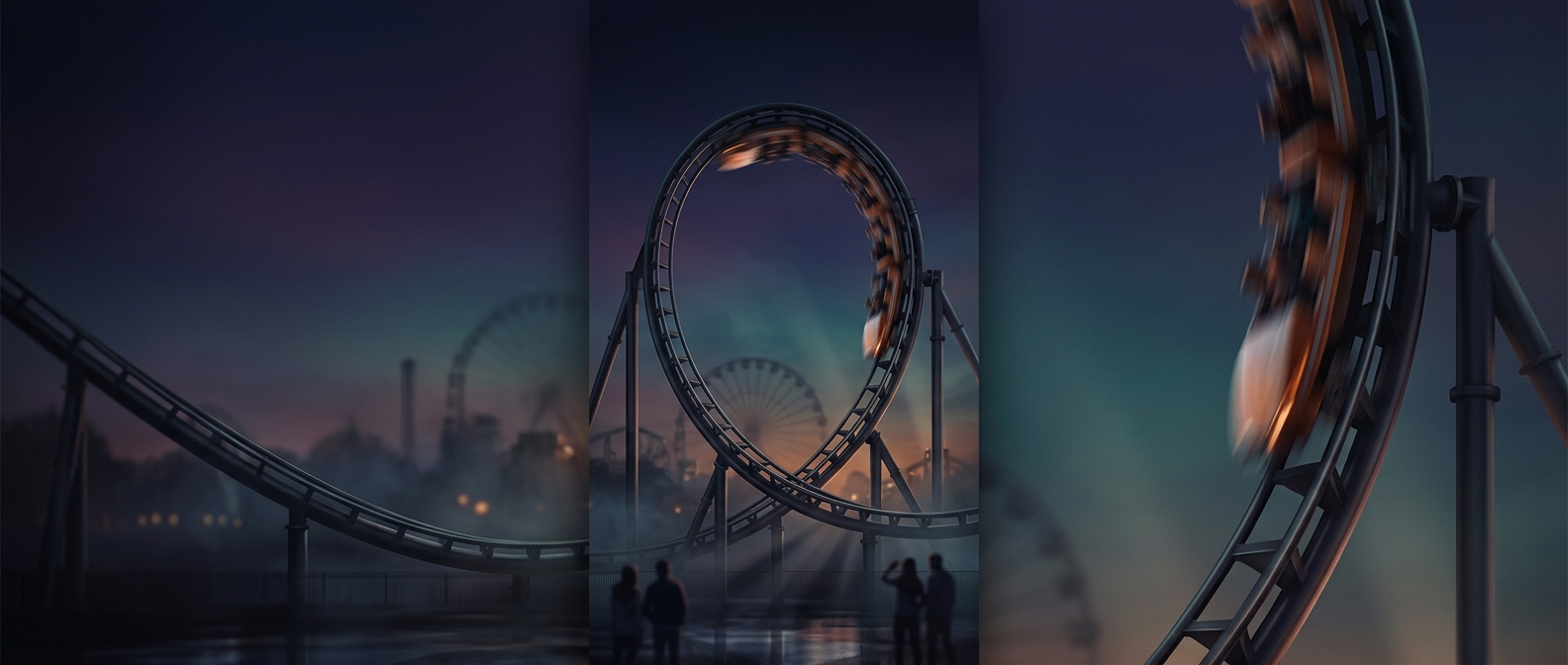
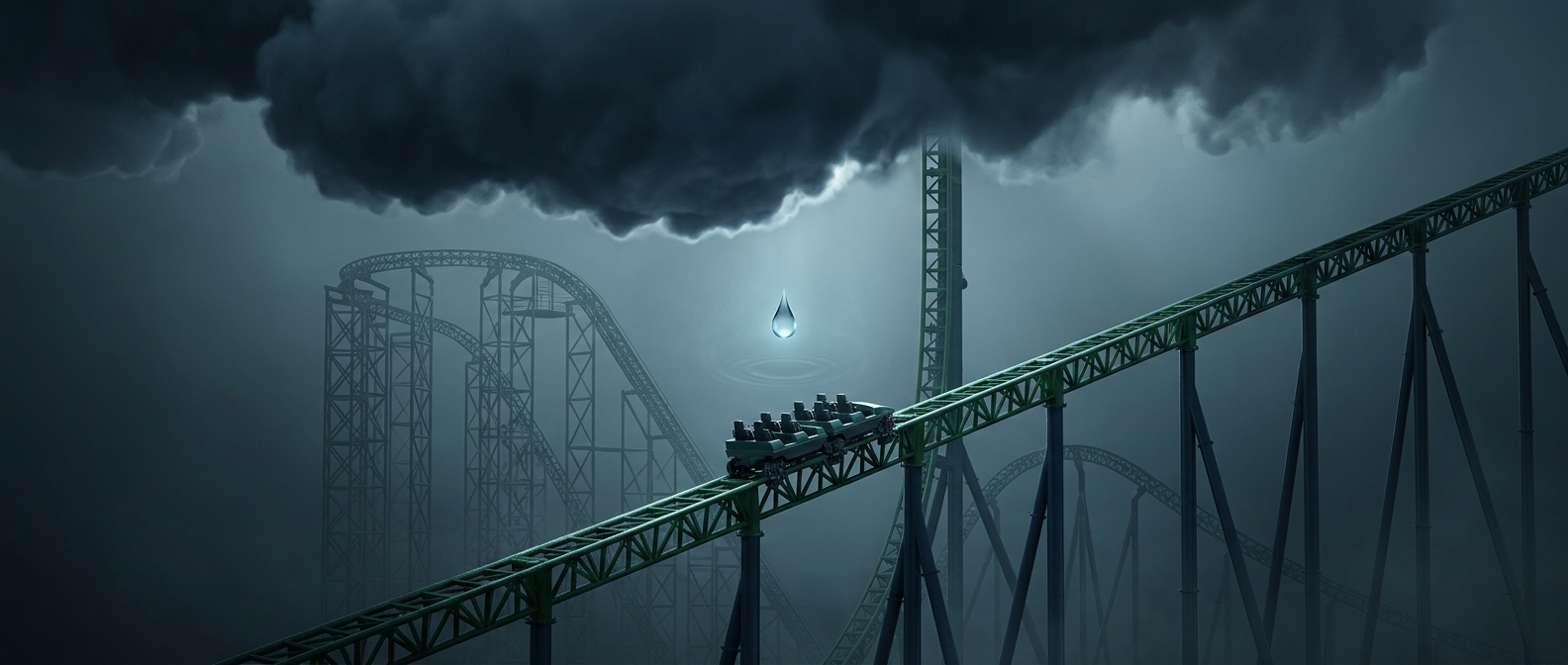
On a high-speed coaster, rain does not drift gently onto riders. The train and the surrounding air are moving past them so quickly that droplets strike exposed skin and eyes with force. At 128 miles per hour—about 57 meters per second—even small drops can sting, especially on a face traveling into the airflow.
The key is relative speed: riders are moving through the rain, so the drops meet them at high speed whether they are falling lightly or heavily. More rainfall means more impacts, but a brief shower can still make an exposed ride uncomfortable and difficult to experience safely.
Why Operators May Stop the Ride
A coaster’s speed leaves little room for riders to shield themselves or react to discomfort. Water in the eyes can interfere with seeing clearly, and painful impacts can turn a ride meant to be thrilling into a hazard. Operators may therefore pause or close a coaster when rain makes the ride unsafe or unsuitable; the decision depends on the ride and its operating procedures, not on a universal rainfall threshold.
That is why “light rain” can be enough to matter on an exceptionally fast coaster. The drops are small, but the train’s speed transforms each one into a sharp impact—and riders are exposed to the full force of that meeting.