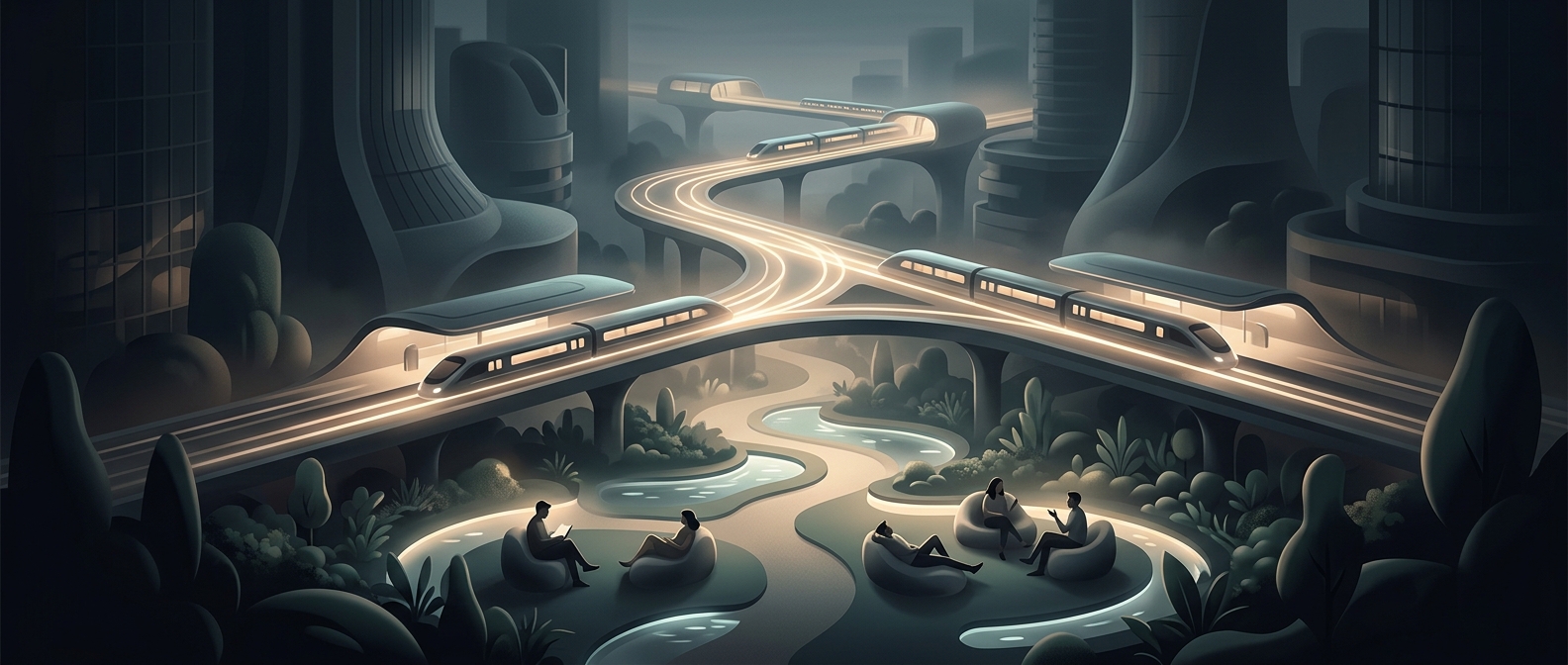
How transit turns travel time into free time
A slow trip costs more than the minutes spent moving. When buses are stuck in traffic or trains arrive unpredictably, riders may leave early to avoid being late, wait through missed connections, or build extra time into every outing. Faster, dependable transit can shrink both the journey and that protective buffer, leaving more of the day under residents’ control.
The benefit spreads beyond the ride
Transit can also put shops, parks, services, and social plans within easier reach without requiring a car. A shorter trip to meet a friend, for example, may make the visit practical on an ordinary evening rather than something reserved for a free day. When many routine journeys become less time-consuming, the recovered minutes can add up across a city.
That time is not automatically spent relaxing. People may use it for paid work, caregiving, errands, or sleep. But when travel takes less of the day, residents have more choice about how to use the hours they gain. The central economic benefit is not just getting somewhere faster; it is reducing how much of everyday life must be organized around the commute.