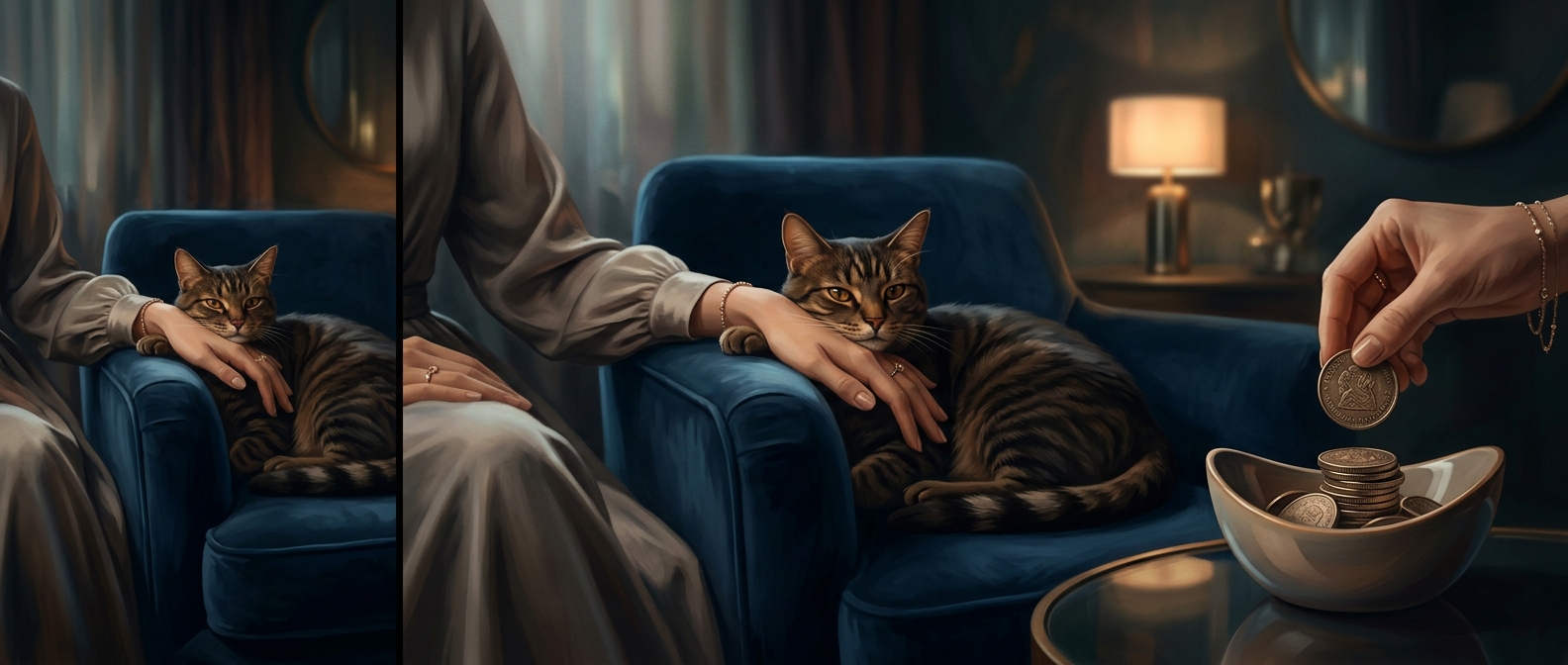
A ribbon can change a dog’s market value
At a major dog show, Best in Show is more than a trophy: it is a highly visible endorsement of a dog’s quality against the standards for its breed. That recognition can make the dog more attractive as a breeding partner, giving its owner a chance to charge higher fees for matings.
The payoff is indirect. A title does not generate a paycheck on its own; it can make future breeding opportunities more valuable. The return depends on whether breeders want that dog’s qualities and whether the owner can arrange breeding. It is a hoped-for business opportunity, not guaranteed income.
The costs arrive before the prize
To compete at the highest level, owners may spend heavily well before the judging begins. Grooming keeps a dog’s coat and presentation suited to its breed, while travel and accommodation add up as the owner follows the show circuit. Food and routine care continue whether the dog wins or not.
Those expenses are part of a long bet: invest in preparing and showing the dog, earn recognition, and hope that recognition helps cover the costs through future breeding. The bowl is the immediate reward; the economic value, if it comes, lies in what the win signals to other breeders.
Prestige is useful only if it travels
A title matters because people in the breeding world notice it. It can distinguish one dog in a field of potential breeding partners, but the owner still has to turn attention into bookings. The striking tradeoff is that the show’s most visible prize may have little cash value, while its less tangible signal can shape decisions—and fees—long after the dog leaves the ring.