A balance can outlast the purchase
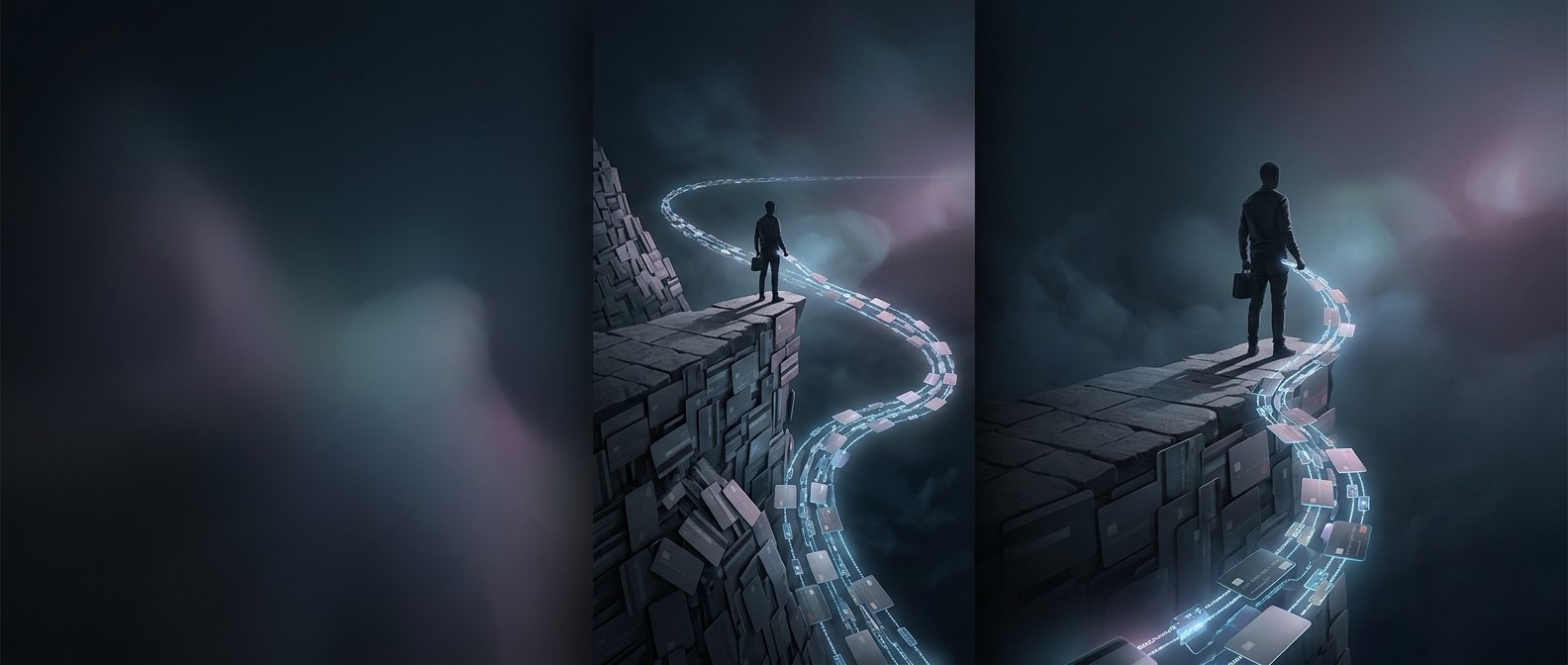
A credit-card swipe settles the purchase; it does not settle the bill. If a cardholder pays the full statement balance by its due date, purchases generally avoid interest. If they carry part of that balance, the remaining amount becomes revolving debt: it stays on the account from month to month, and interest is added while it remains unpaid.
An annual percentage rate (APR) expresses borrowing cost over a year. At an APR near 20%, a balance of $1,000 left unpaid for a year would generate roughly $200 in interest if it stayed unchanged. In reality, the balance changes as payments and new purchases come in, and card terms determine how interest is calculated.
Why small payments can stretch the debt
A required minimum payment keeps an account current, but it is not designed to erase the balance quickly. Part of each payment covers interest and fees; only what remains reduces the amount borrowed. As the balance shrinks slowly, interest continues to accrue on what is still owed. New charges can undo some of that progress.
That creates a costly gap between buying something once and paying for it over time. A household may have finished using a purchase long before it has finished paying for it—and the longer repayment takes, the more the original price is joined by interest. The trillion-dollar total is a measure of outstanding balances, not a bill that every American owes individually.