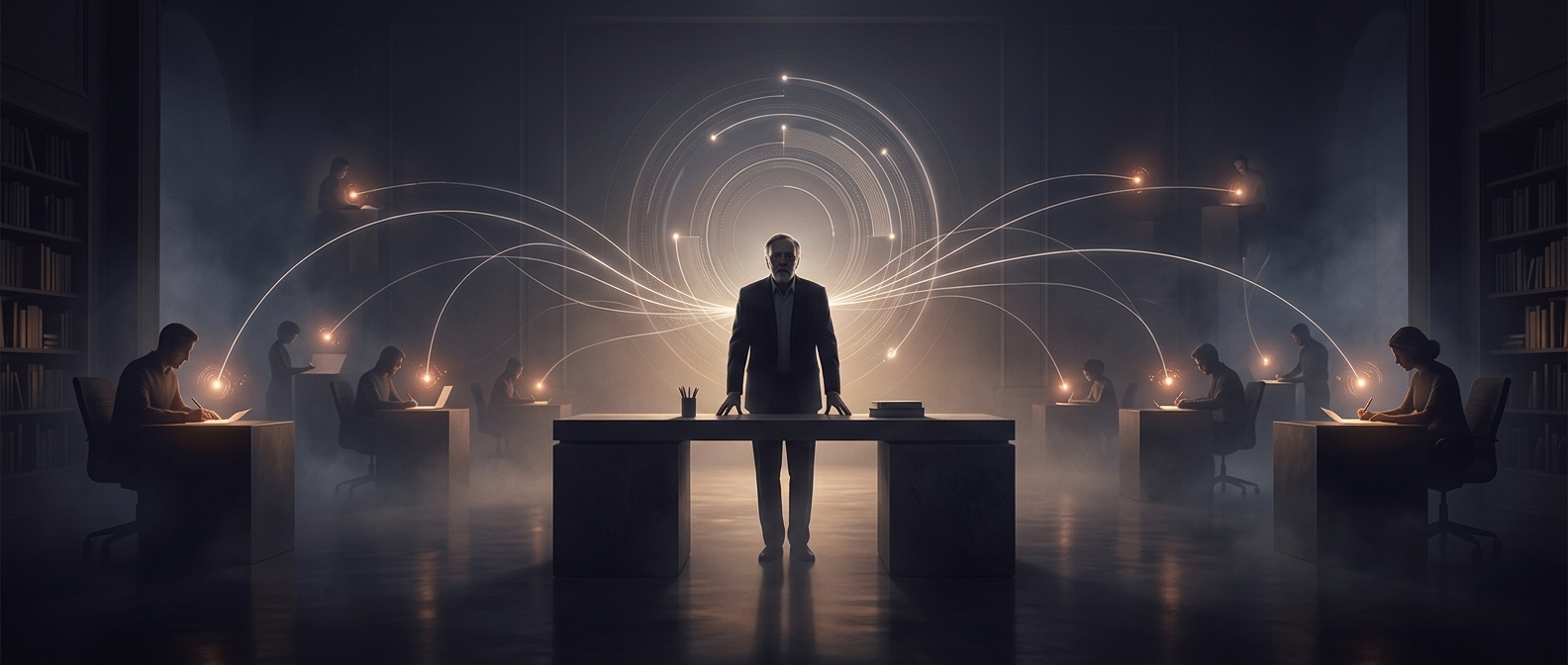
The outline is the production plan
A detailed outline can turn a novel from one long writing task into a sequence of smaller, defined problems. It establishes the plot’s direction and the major turns before the prose is drafted, giving a coauthor a structure to work within rather than asking them to invent the entire book from scratch.
That division of labor makes it possible for Patterson to develop more than one project without personally drafting every page. The outline carries the story design; the coauthor turns that design into scenes and chapters. It is a form of creative collaboration, not simply a faster typing process: the handoff depends on translating a plan into a readable narrative.
Review is the quality-control stage
A plan and a finished novel are different things. Drafting introduces choices about pacing, character, and transitions that an outline cannot settle on its own. Patterson’s review gives him a chance to assess how the story works on the page and request changes where the manuscript does not match the intended direction.
The arrangement shifts his role from sole drafter to story architect and editor. Its central tradeoff is clear: more of the writing can happen through collaboration, but the outline and review must keep the finished book coherent. The result is a repeatable workflow in which the person shaping the story need not be the person who writes every sentence.