The intersection that asked drivers to negotiate
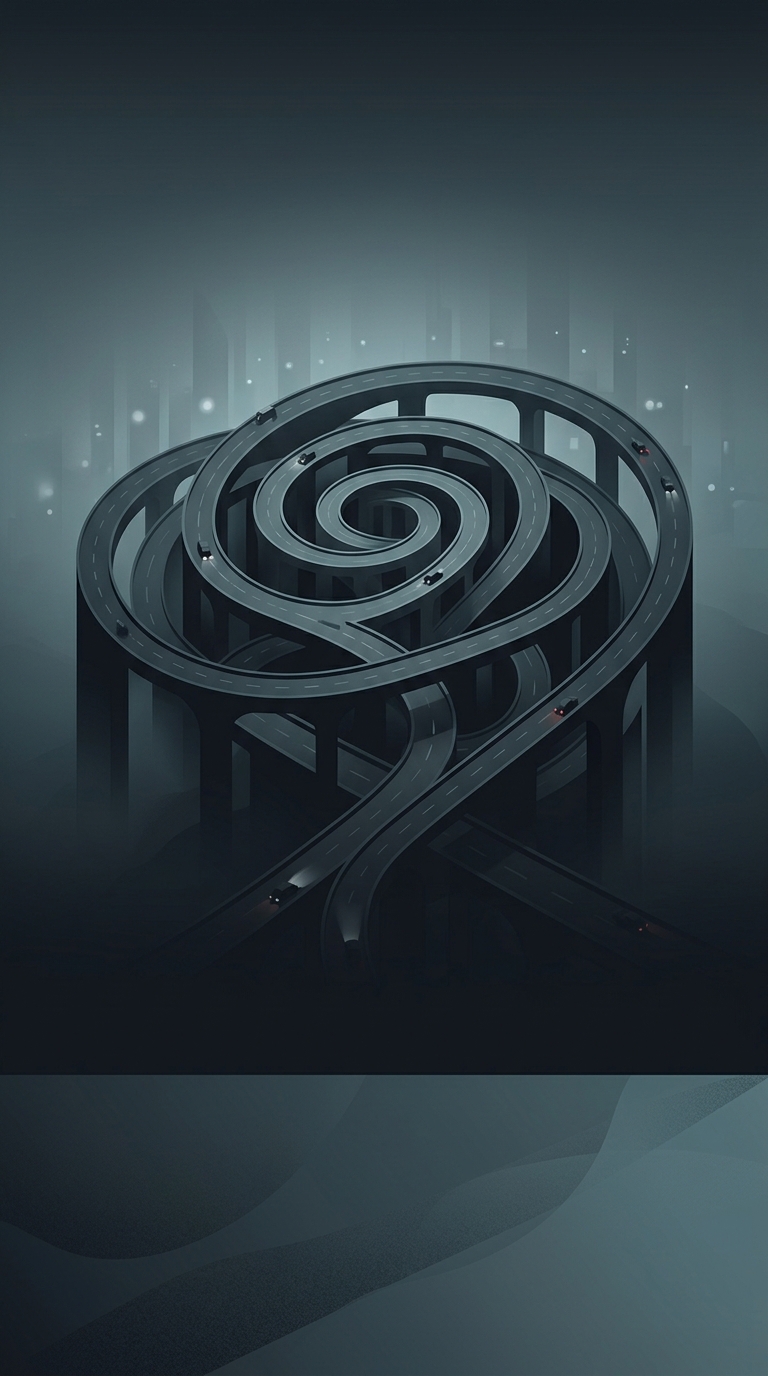
The startling change was to take away the usual instructions: traffic lights, signs and painted lane lines. At a notorious intersection in Drachten, the Netherlands, the redesign turned a controlled junction into a form of shared space—a street where people have fewer formal signals telling them exactly when to move.
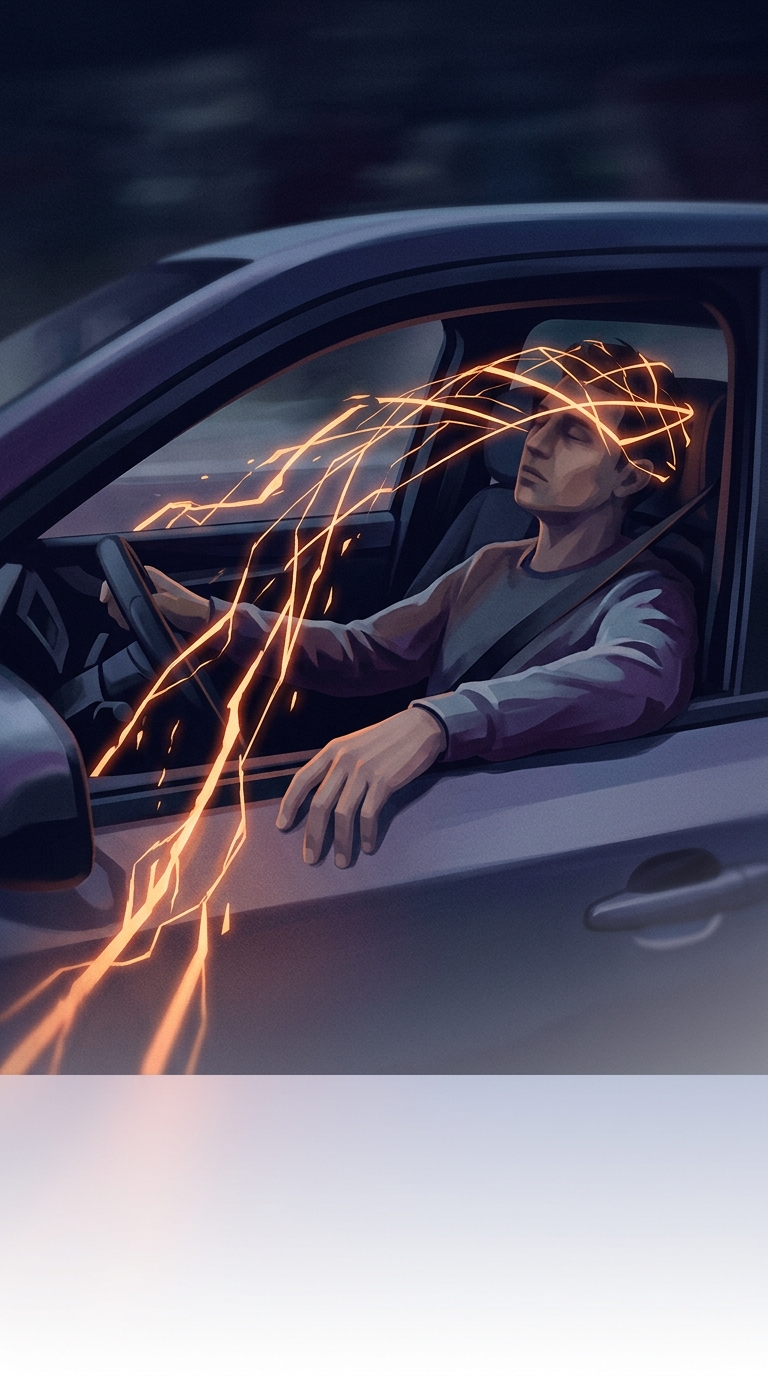
That can look like disorder. But a signalized intersection gives drivers a simple task: watch the light, then go. Without that cue, they must pay closer attention to the junction itself, slow down, look for other road users and judge when it is safe to proceed.
Why less control can mean more caution
Traffic signals separate conflicting movements in time; shared space makes drivers manage those conflicts through direct observation and negotiation. A driver approaching another car, a cyclist or a pedestrian has to acknowledge that person’s presence rather than assuming a green light has settled every question.
The design depends on people moving slowly enough to read one another. Removing signs and signals is not a magic safety fix for any road: if traffic is fast, visibility is poor or the layout is hard to understand, less guidance can make a junction more dangerous. The point is to change the street so that caution feels necessary, not optional.
At this intersection, the striking reported result was that severe crashes disappeared after the change. Its lesson is not that confusion is inherently safe, but that a junction can sometimes become safer when it makes drivers pay attention to the people sharing it—not just to the lights above it.