How a prank becomes a retention machine
A prank video has two audiences: the people inside the scene and the viewers deciding whether to keep watching. For the second audience, the central question is not only “What happened?” but “What happens next?” Creators can shape that uncertainty by delaying the reveal, arranging a sequence of escalating surprises, or cutting away just before a reaction becomes clear.
Those choices matter because platforms can use viewing behavior—such as whether people continue watching or leave—as signals when deciding which videos to recommend. The exact systems are complex and change over time, but a video that holds attention has a better chance of being surfaced to more viewers. That creates an incentive to make even a brief prank feel like a story with a setup, rising tension, and payoff.
The edit supplies the spontaneity
A planned scene gives creators control over timing: participants can know their roles, repeat a moment, or wait for a camera to be in place. Editors then select the clearest reactions and remove pauses, explanations, or failed attempts. A sequence assembled from those pieces can feel immediate even though its strongest beats were prepared in advance.
That does not mean every detail is scripted, or that everyone appearing on camera is necessarily in on it. But when a production is staged, the viewer may be seeing a performance presented in the visual language of an unscripted encounter. The tension is part of the product: the more convincing the surprise looks, the easier it is to stay invested in what comes next.
The tradeoff behind the reveal
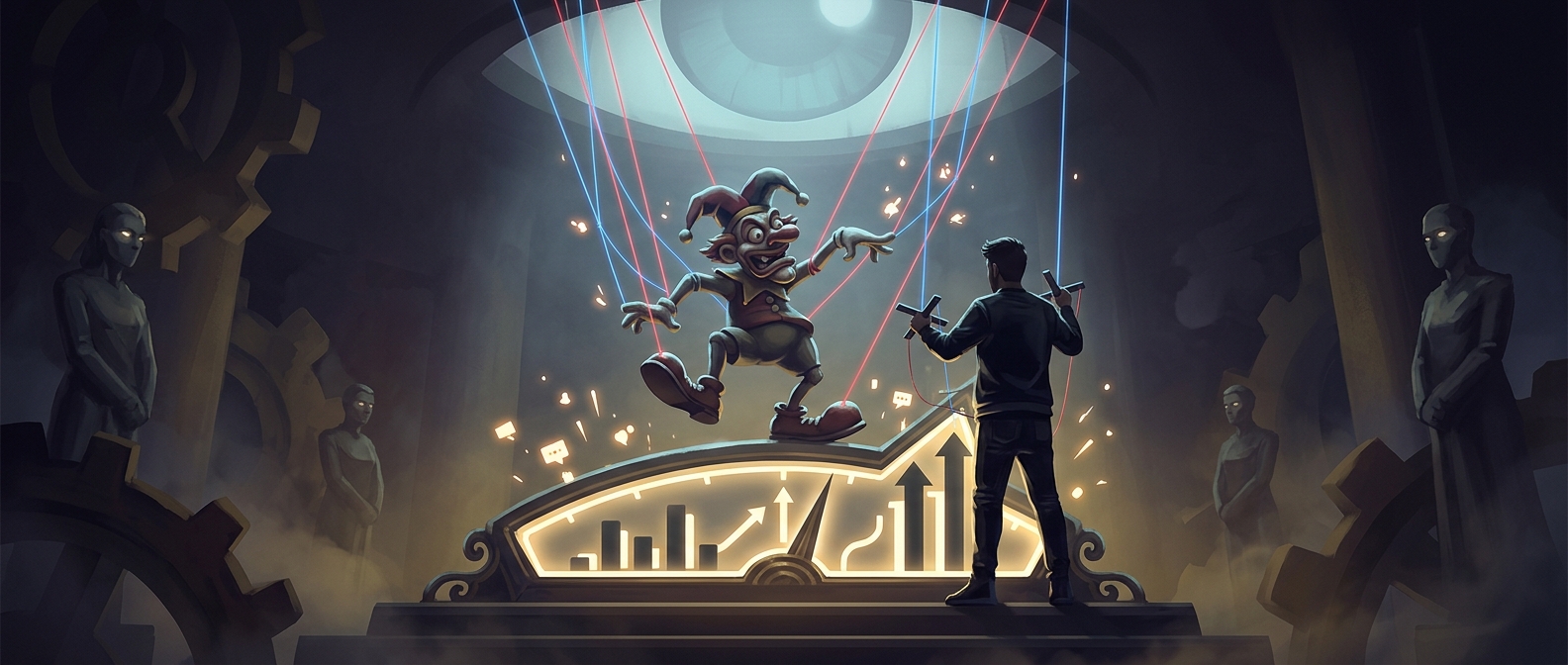
The format can reward creators for making a scene more dramatic and its payoff more delayed. Yet if viewers conclude that the apparent spontaneity was manufactured, the same trick that held their attention can weaken their trust. In a prank video, the edit is not merely packaging the event—it helps create the event the audience thinks it witnessed.