A closer look
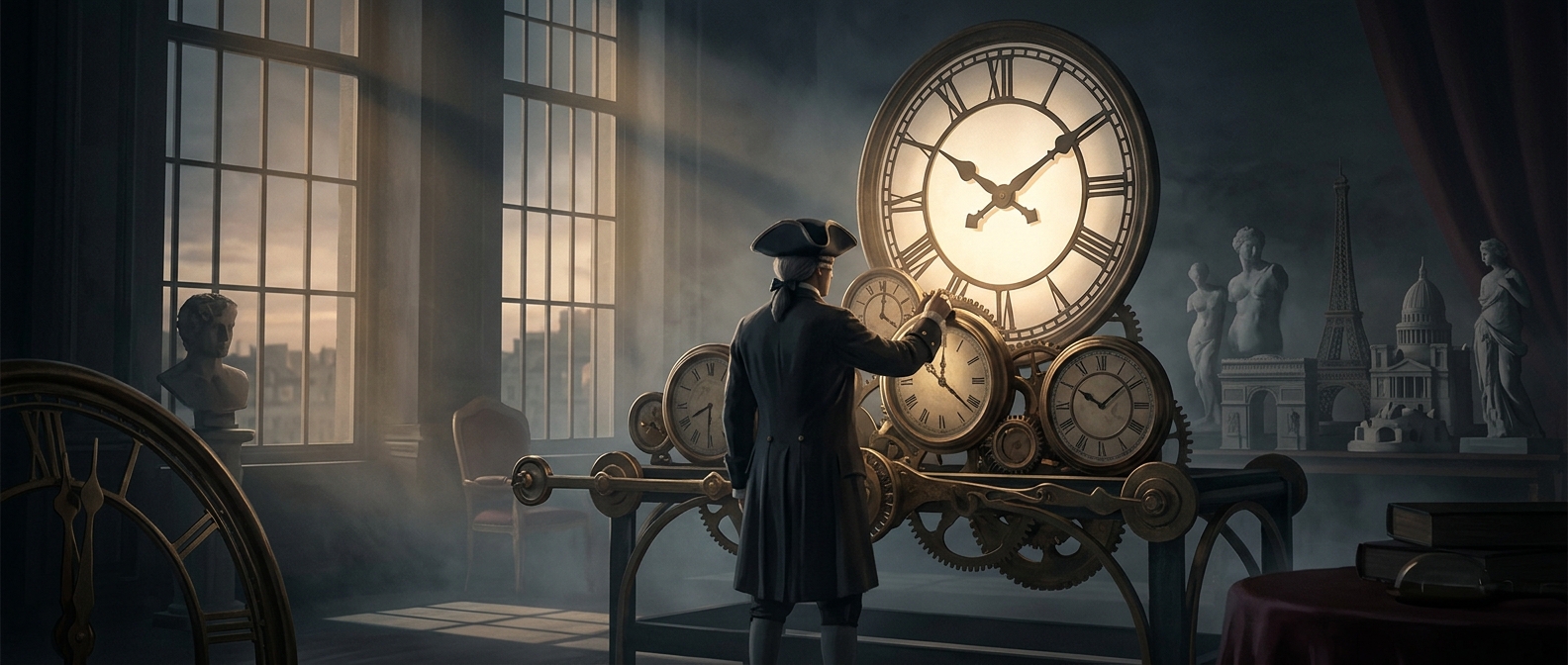
Changing your clock twice a year began as a weird war-time energy hack, not a grand scientific insight into human sleep. During World War I and later World War II, countries adopted daylight saving time to squeeze more usable evening light out of summer days, hoping to cut fuel use for lighting and boost factory output. The idea actually predates that, pushed by people like Benjamin Franklin and an eccentric British builder who loved early-morning golf. Yet modern research shows the biannual clock change briefly spikes heart attacks, car crashes, and workplace accidents as people's internal rhythms misalign. Many regions are now debating dropping the switch entirely, keeping either permanent standard time or permanent DST. The timeline is a reminder that some of our most intimate daily routines are shaped not by nature, but by a stack of old industrial compromises nobody ever formally revisited.