Why the Number 33 Carries Rank
The best-known use of a 33rd degree as a top Masonic honor belongs to the Ancient and Accepted Scottish Rite, a branch of Freemasonry. Its degrees are staged lessons and ceremonies, each adding themes and symbols to the system. The 33rd is the highest numbered degree in that rite, which is why it can signify exceptional status.
A Degree Is Not Simply a Promotion
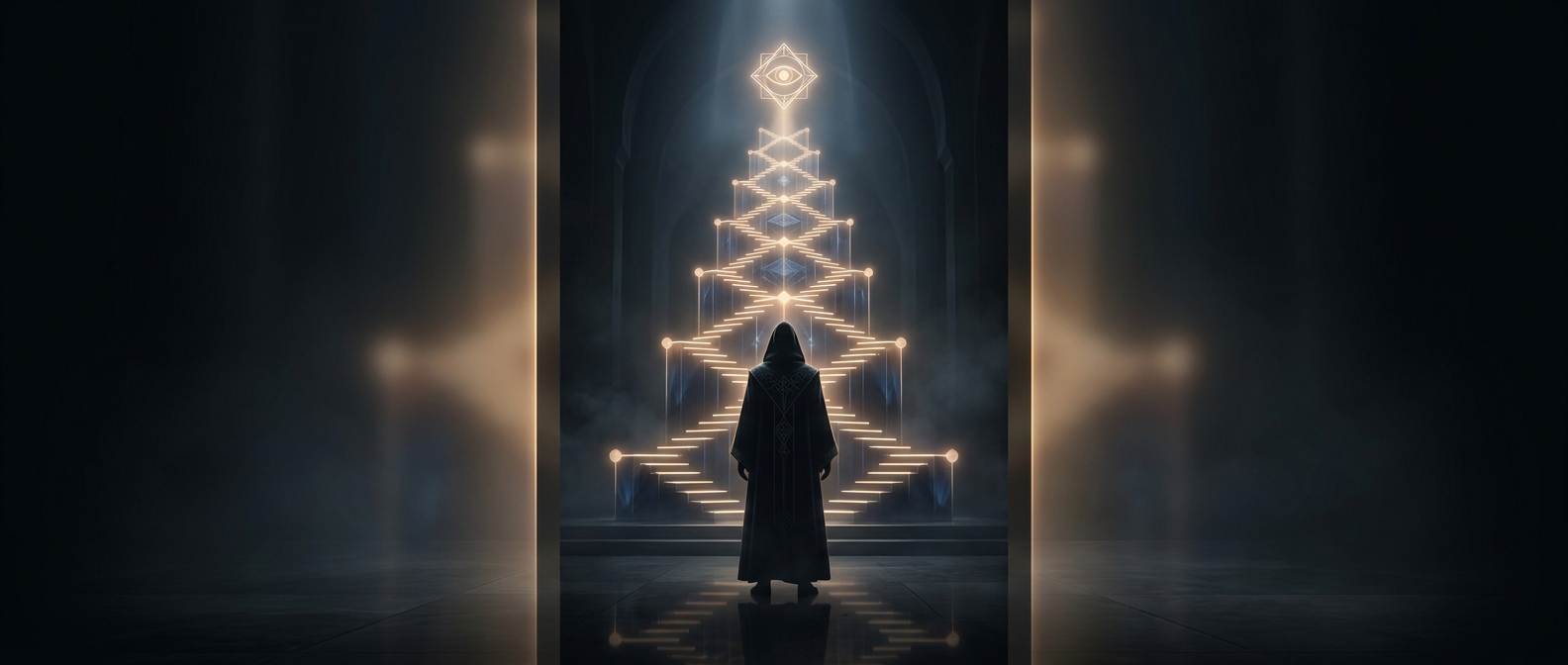
The number can sound like the last step in a ladder of power, but that is not quite how the system works. In many Scottish Rite bodies, the 33rd degree is an honorary distinction conferred on members in recognition of service. It does not automatically make its recipient the leader of Freemasonry or grant authority over every other rite.
That distinction matters because Freemasonry is organized through separate bodies, and its degree systems are not all the same. The 33rd degree’s significance is specific to the Scottish Rite tradition, rather than a universal rank shared by every esoteric society.
Why It Became a Symbol of Secrecy
A numbered degree suggests access gained through successive stages: the higher the number, the deeper the knowledge. Paired with private ceremonies and symbolic teachings, that structure makes “33rd degree” an easy shorthand for hidden influence in popular culture. In its Masonic setting, though, it is more precise to understand it as the highest numbered Scottish Rite degree—and, often, a mark of honor—rather than proof of a secret command structure.