A chicken is a quick reset, not a cutscene
In Super Smash Bros., the roast chicken belongs to the game’s family of food items. Touching it makes a fighter eat it and recover some damage—the percentage shown beside the fighter’s portrait. That number is not a measure of realistic wounds: as it rises, attacks generally send the fighter farther, making it easier to knock them out.
The eating animation is brief, but it is not a pause in the match. Other fighters can keep moving and attacking, so reaching the chicken is a small tactical gamble: take a moment to heal, or risk being hit while going for it.
Why put healing on the floor?
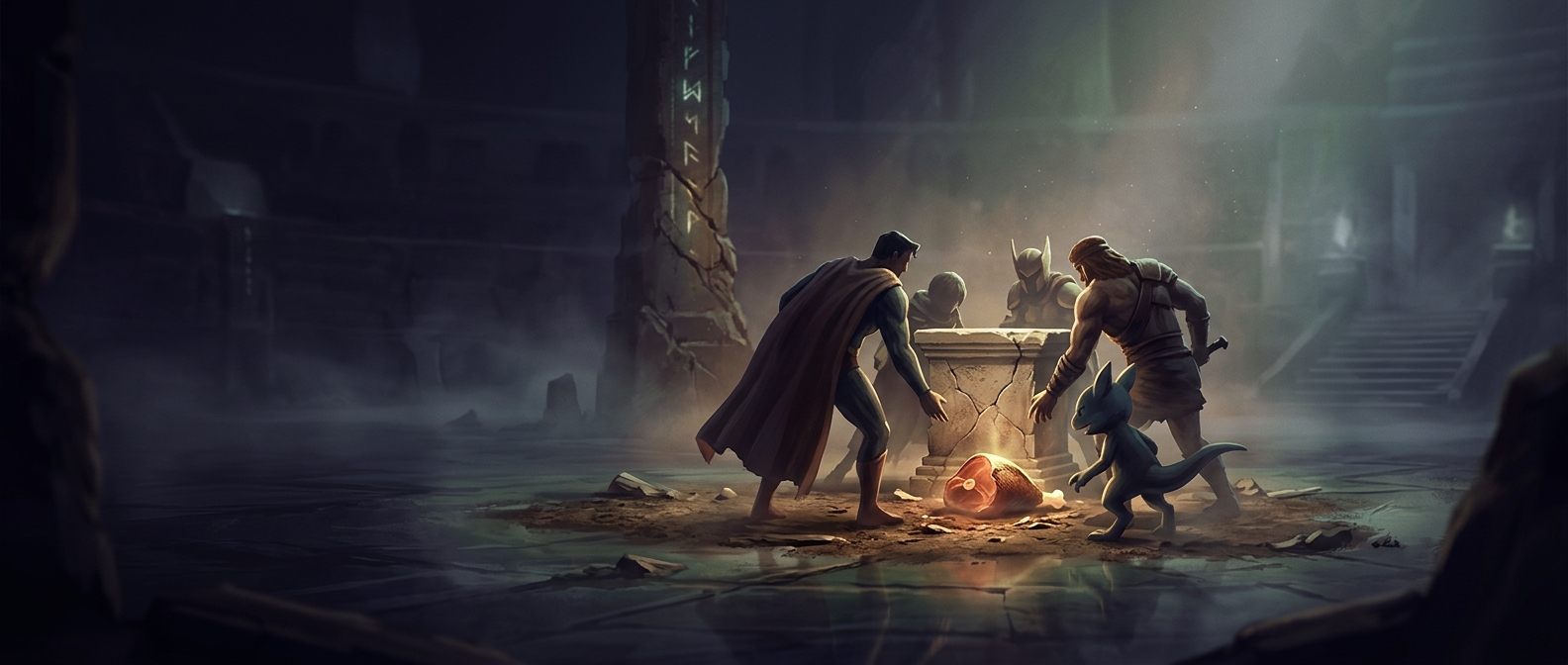
A dropped item turns recovery into something players can fight over. The chicken is useful to whoever can reach it, while its visible presence gives nearby opponents a reason to contest the spot—or punish someone who stops to eat. Its exaggerated image makes the effect immediately legible: this is food, and food restores damage.
The joke works because the game treats damage as a flexible combat meter rather than a realistic injury. A fighter can be battered, grab a roast chicken from the arena, and return to the same chaotic exchange with a better chance of staying onstage.