A Chemical Reaction Became a Thrust Engine
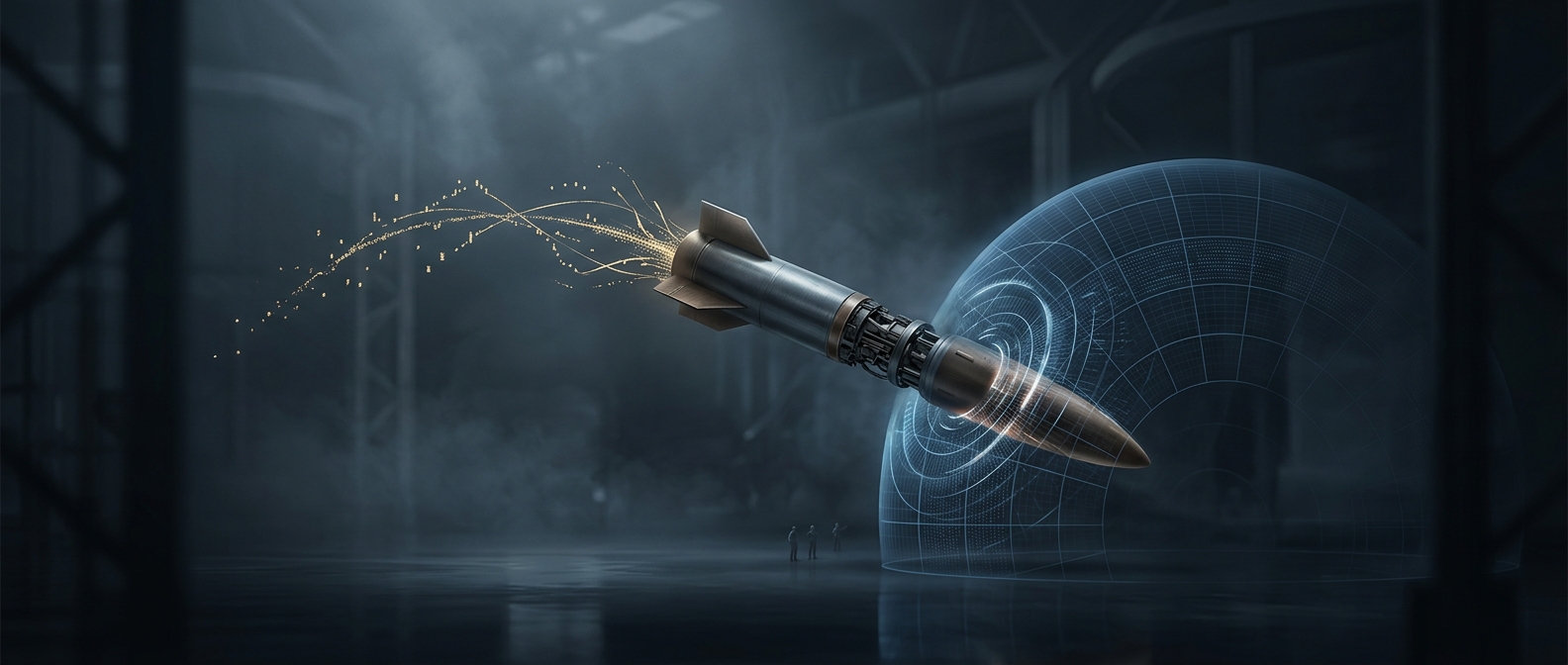
The Bell Rocket Belt did not burn fuel in a conventional engine. It carried concentrated hydrogen peroxide, which flowed over a catalyst—a material that speeds a chemical reaction without being consumed. The catalyst rapidly split the peroxide into hot steam and oxygen. Expanding gas then rushed out through nozzles aimed downward, pushing the pilot upward by the same action-and-reaction principle that lifts a rocket.
Because the reaction happened inside the belt, the system needed no runway or external power source. But the pilot wore the engine, its fuel, and the equipment needed to steer it. That made every pound carried aloft part of the engineering problem.
Steering Was Possible; Staying Up Was Not
The pilot controlled the belt with hand-operated controls that directed the thrust. Small adjustments could alter the jet’s direction, but the rider still had to balance a powerful engine strapped to the body. The equipment could produce genuine flight, yet it offered little room for leisurely correction or extended travel.
Its main limit was the amount of propellant a person could carry. The peroxide was consumed quickly as it generated the high-speed exhaust needed to lift both pilot and machine. Adding more fuel would mean adding more weight, which would require still more thrust to lift it—a costly cycle that made longer flights difficult.
The Tradeoff Was Built Into the Design
The Rocket Belt solved one problem spectacularly: it made a person airborne without a vehicle around them. But a compact wearable machine had to store enough chemical energy to lift its own fuel as well as its pilot, while remaining light enough to control. That left only a brief window in the air.
The result was a working jetpack, not a practical way to commute. Its most striking engineering achievement was also its limitation: the entire flight depended on a small supply of peroxide that could be spent in seconds.