Why a Game Preview Can Feel Like a Watched Test
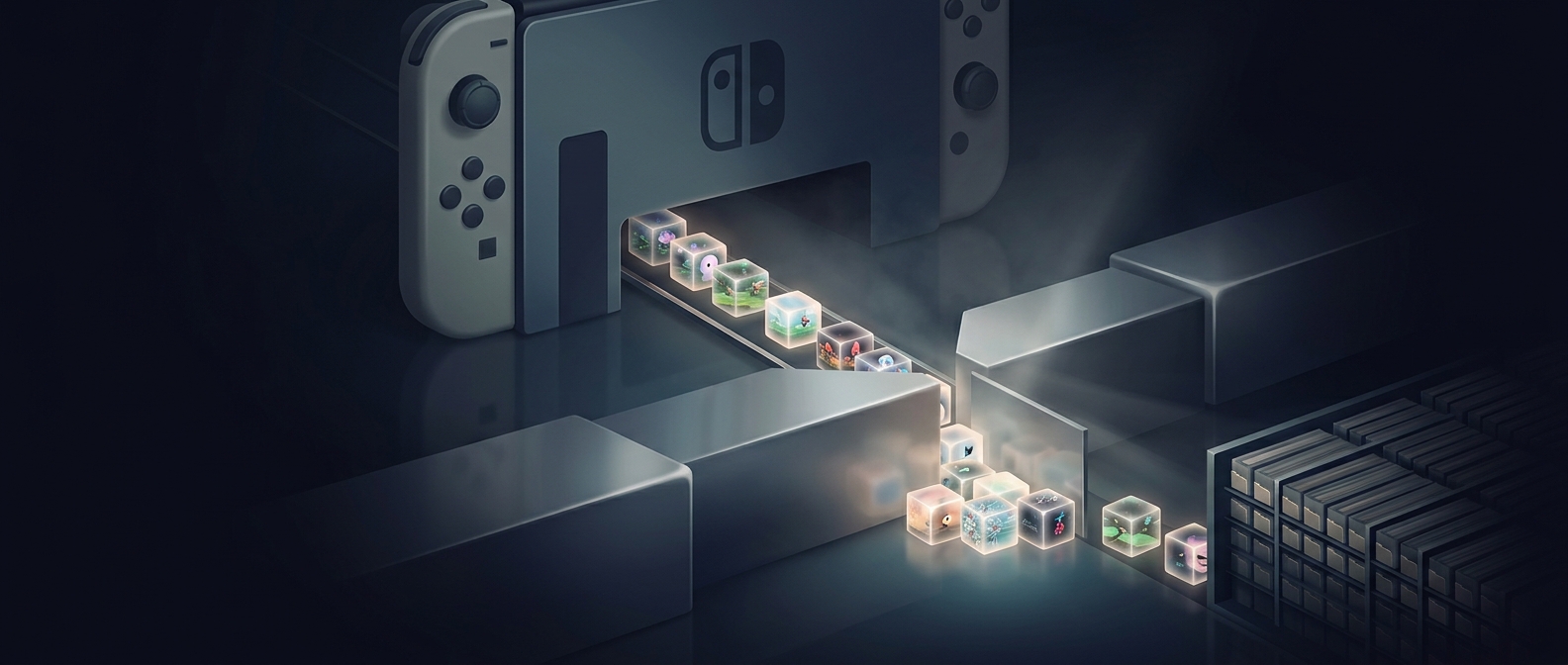
A preview build is a temporary version of a game prepared for journalists before release. It may include only a selected level, a limited set of features, or unfinished content. That narrow slice lets a studio show what it is ready to discuss without handing out a version that could be mistaken for the final game.
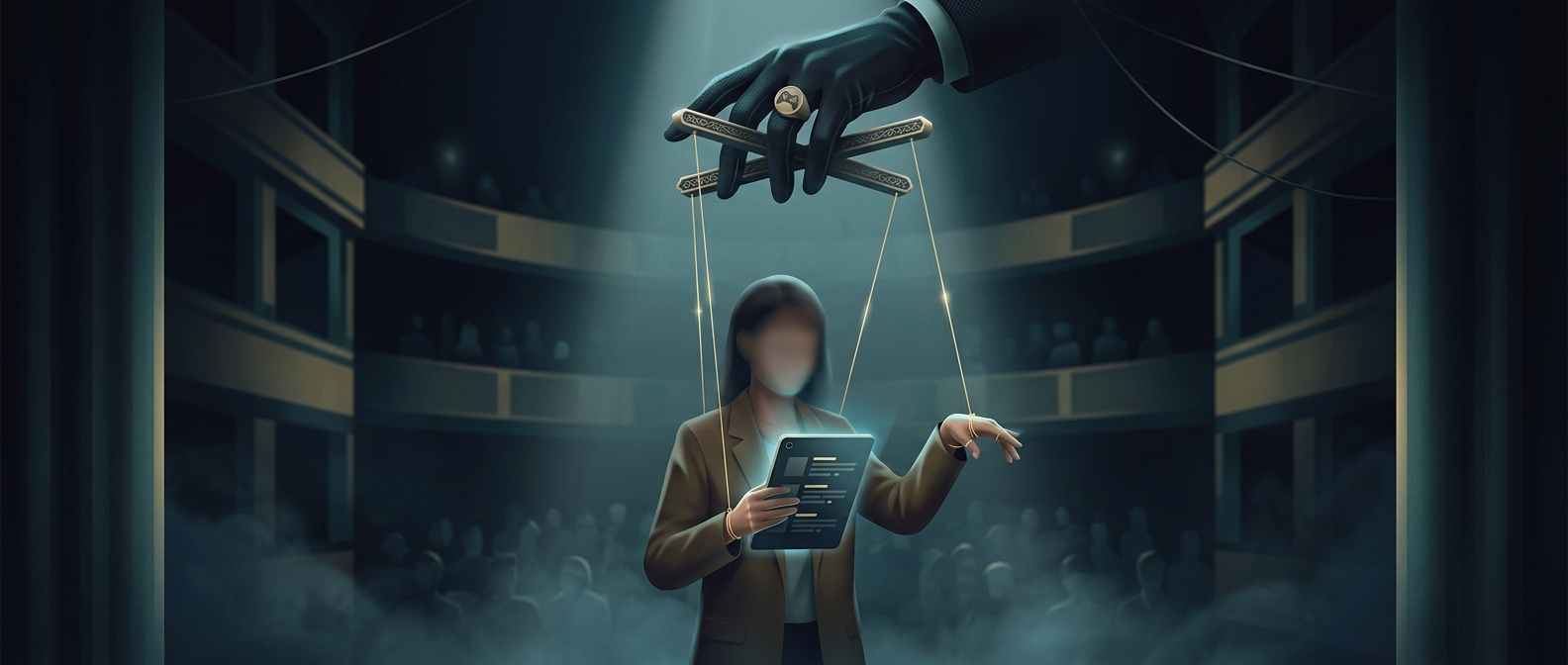
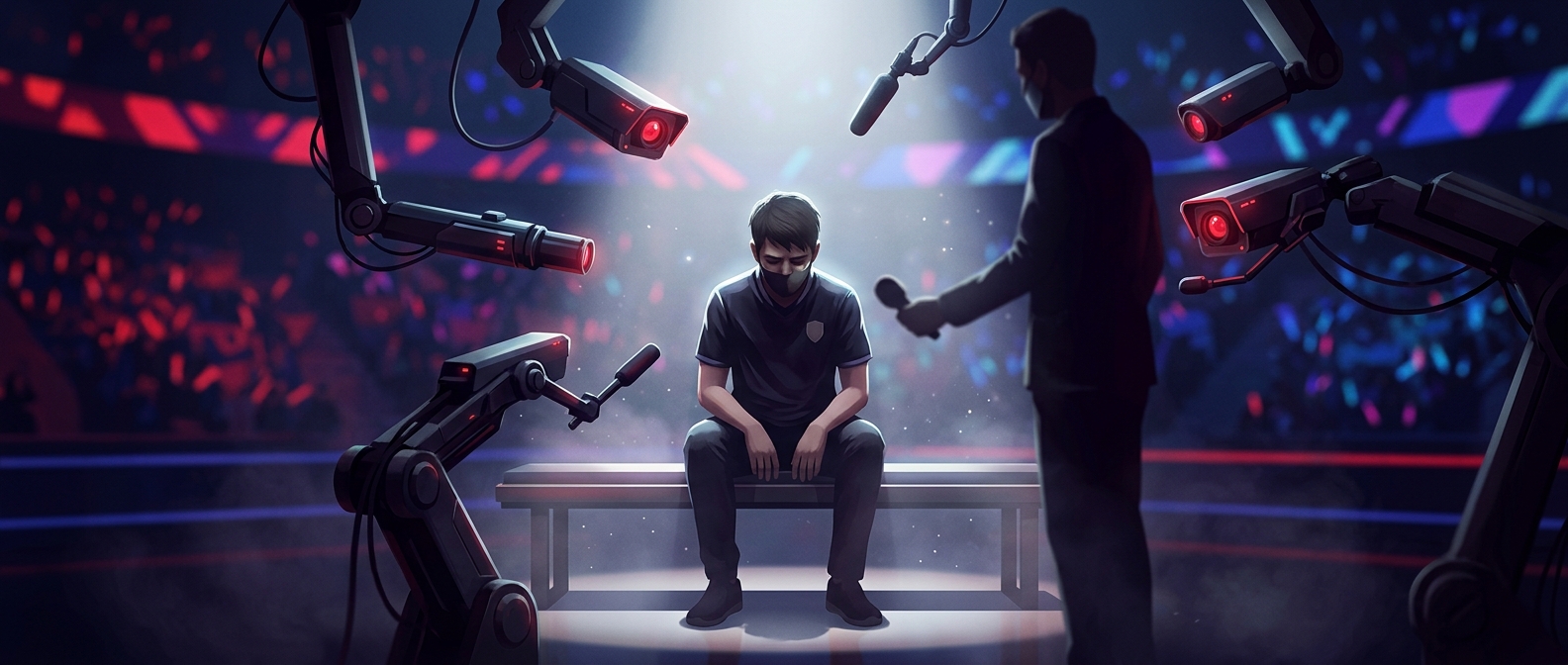
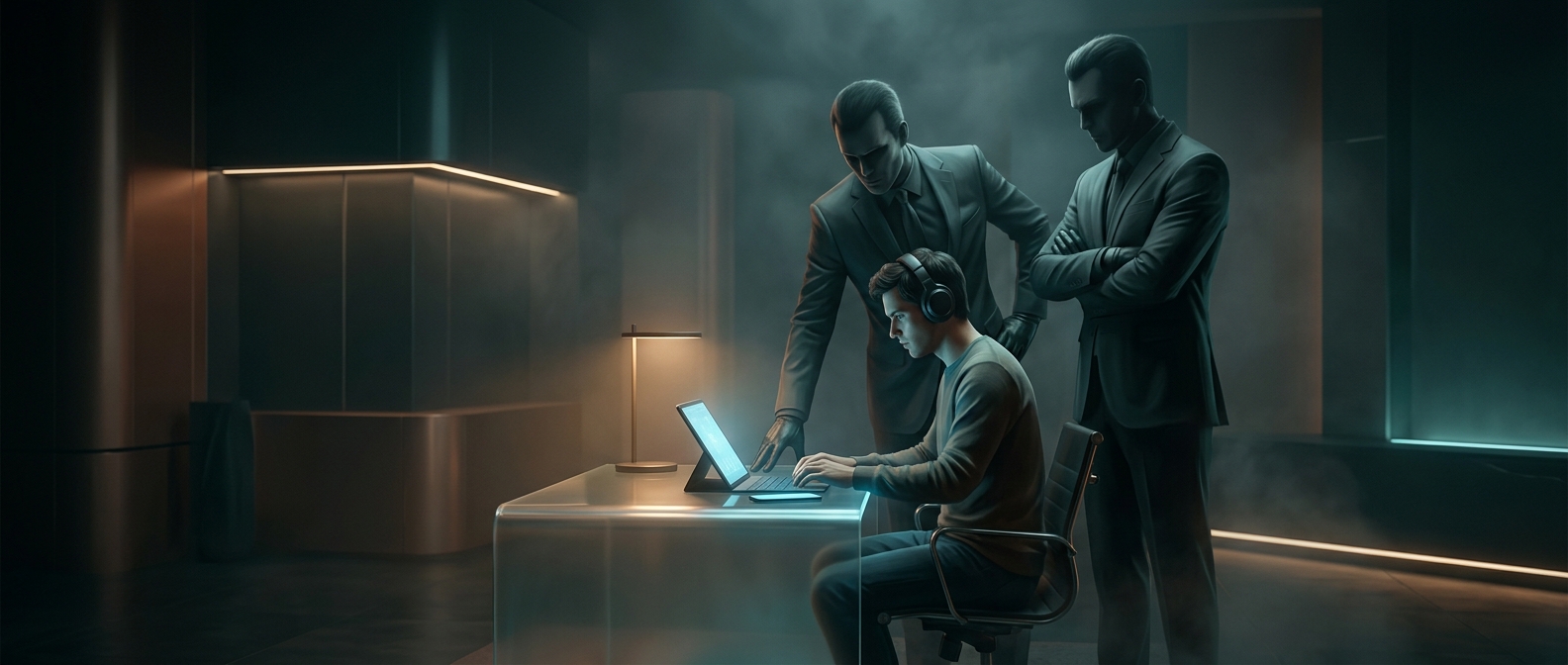
The setup also shapes what journalists can learn. A PR representative nearby can explain controls, flag known problems, or keep the session moving. But their presence makes the interview-like setting hard to ignore: criticism is being formed in front of someone whose job is to represent the game.
The Preview Is Not the Review
A short, supervised session rarely offers the same evidence as extended play. A journalist may not know whether a confusing moment is a deliberate challenge, a temporary flaw, or a limitation of the preview build. That uncertainty can temper criticism—not necessarily because anyone demands a favorable verdict, but because the journalist has less time and context to judge what they saw.
For readers, the useful distinction is between describing a preview and judging the finished game. Reports from these sessions can reveal how a game looks and plays in the portion shown, while leaving larger questions—such as how its systems hold up over time—unanswered. The controlled room is part of the information: it marks where observation ends and where a confident verdict would require more access.