How a Review Guide Could Shape a Game’s First Impression
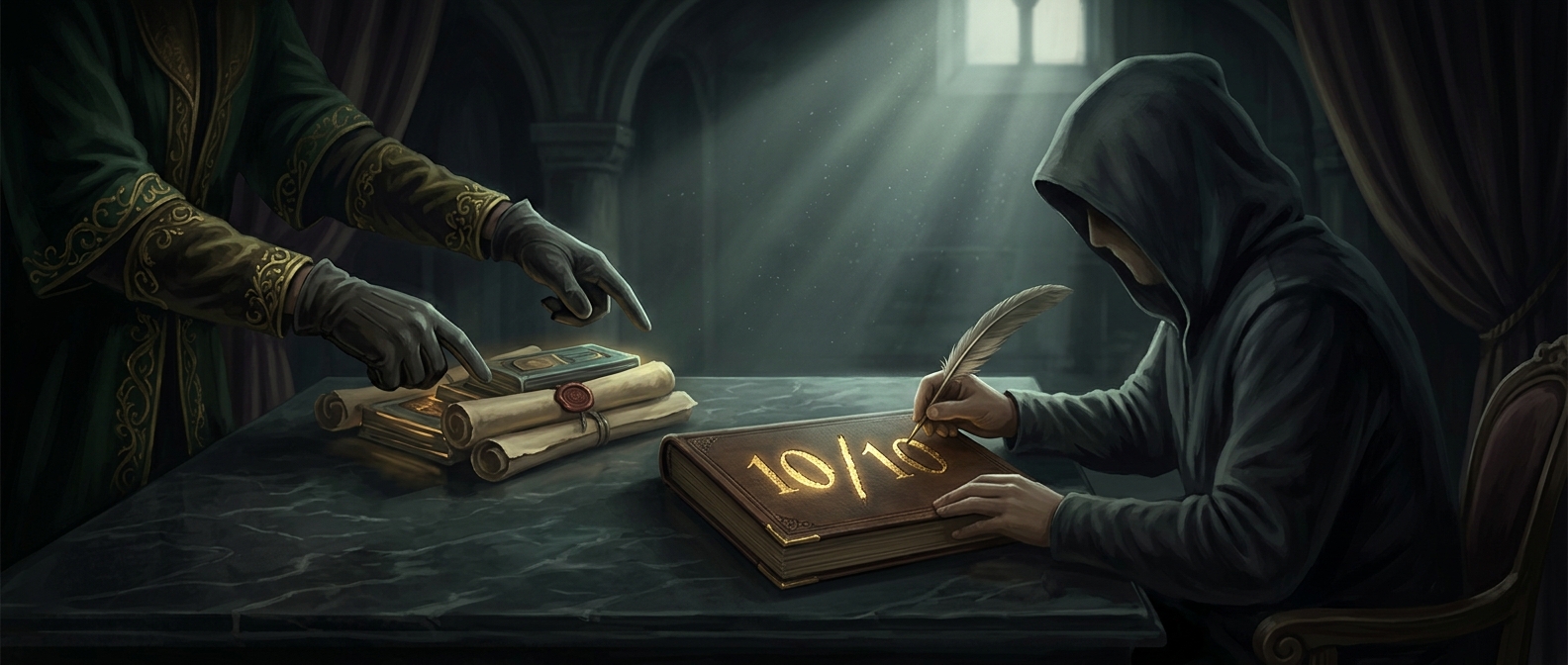
An advance copy gives a journalist time to play before a game reaches stores. A glossy guide arriving with it can do more than explain controls: by spotlighting particular mechanics, it can suggest which parts deserve attention and how to describe them.
That guidance matters because a game is difficult to review all at once. A distinctive combat system, for example, can be shown in a short session and described in concrete terms. A weak story may become apparent only over many hours, and judging its characters or pacing involves interpretation. A guide that emphasizes what a game does can therefore make its strengths easier to discuss than its narrative shortcomings.
Guidance Is Not the Same as a Verdict
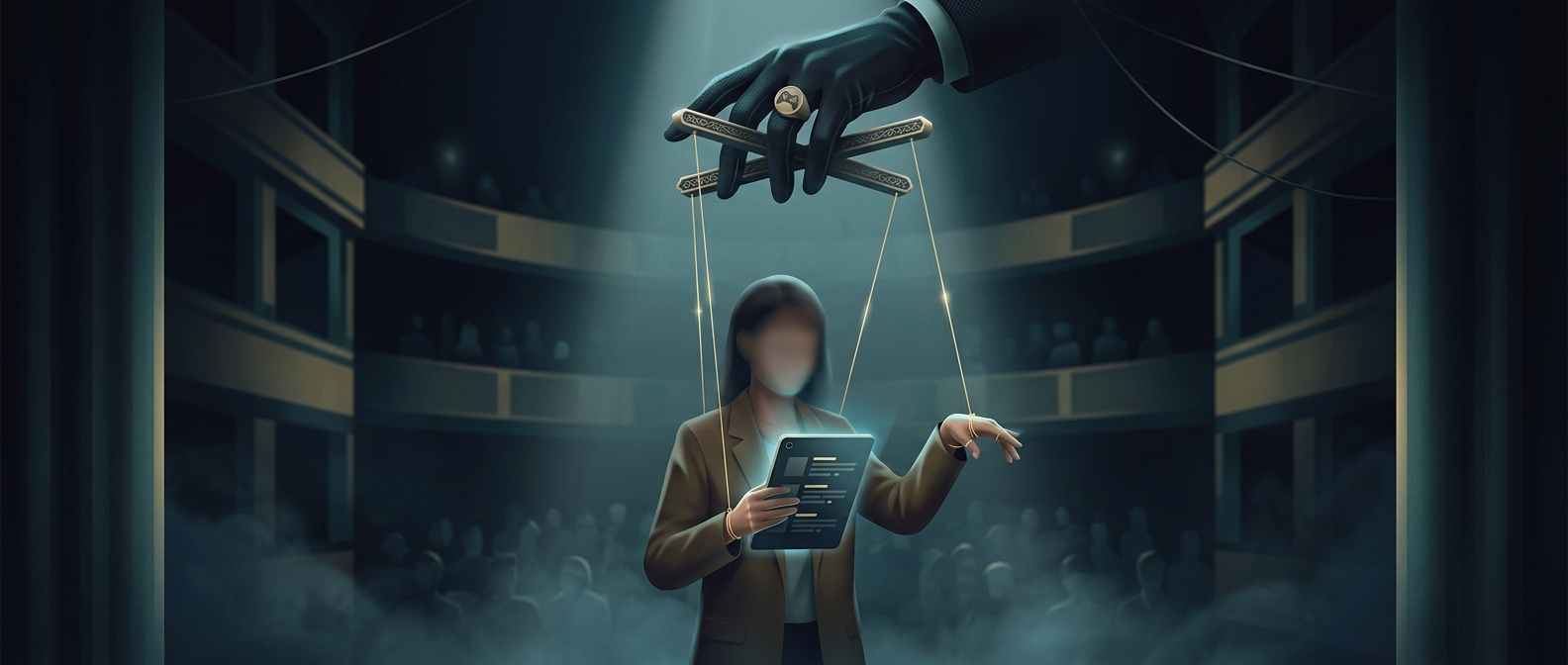
Review materials can help journalists navigate unfamiliar features, but they also present the game from the studio’s preferred angle. The framing may affect what a reviewer notices first, which examples make it into an article, or what readers remember from the coverage. It does not determine the reviewer’s conclusion: journalists can test the claims against the game itself and write about problems the guide leaves out.
The practical consequence is that praise for a specific mechanic may be accurate while still giving an incomplete picture. Readers benefit when reviews distinguish a game’s polished systems from the quality of its story, rather than letting the studio’s chosen talking points stand in for the whole experience.