How collagen becomes a capsule shell
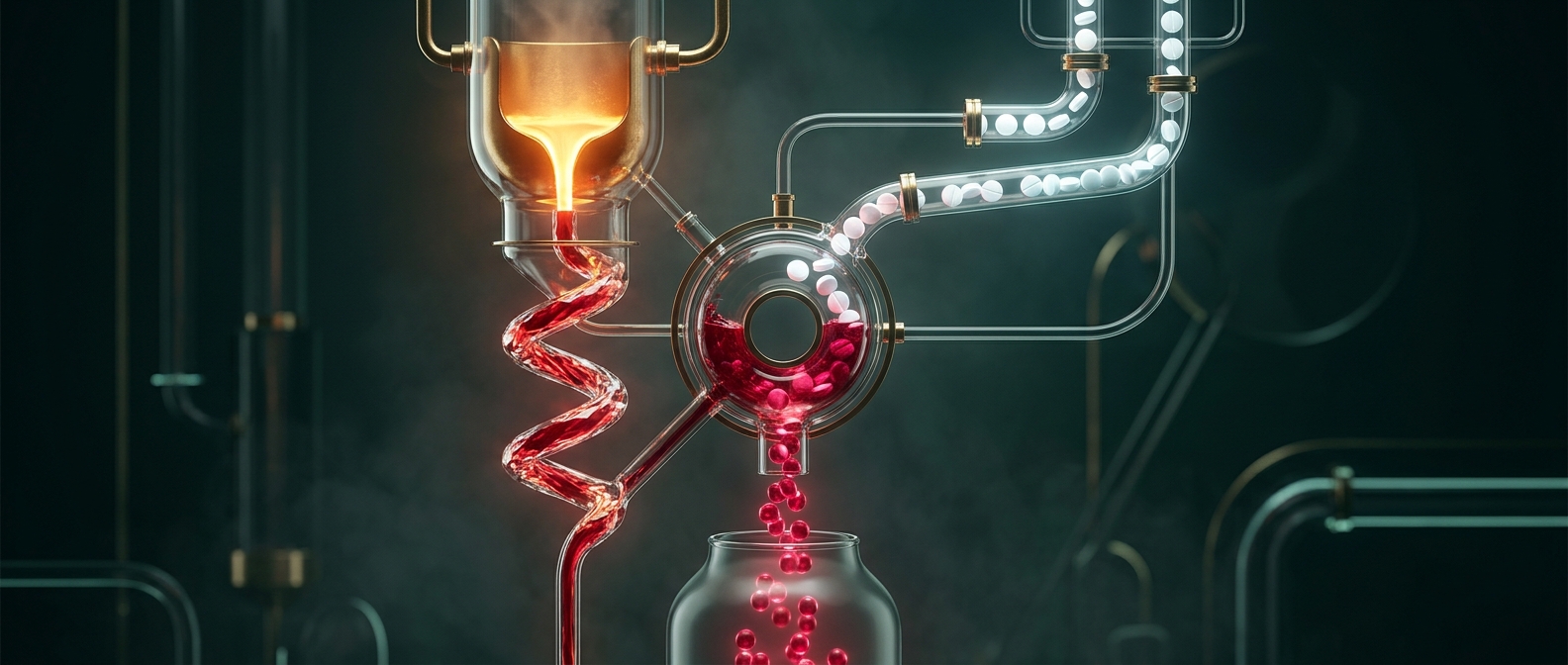
Gelatin begins as collagen, a structural protein found in animal connective tissue. In manufacturing, collagen-rich material is cleaned and processed with heat and other steps that break it down into gelatin. The gelatin is then mixed with water and shaped into a thin film.
For a hard capsule, manufacturers dip shaped metal pins into the warm mixture. As it cools and dries, the film forms two hollow pieces—a body and a cap—that can be filled and fitted together. Soft capsules are made differently: gelatin forms a flexible casing around a measured liquid or paste.
Why use gelatin?
Gelatin can form a smooth, strong shell that protects a dose during handling and then softens in the moist environment of the digestive tract. Its properties also make it practical to mold into capsules that are easy to swallow and can be produced in many sizes.
The shell is a separate ingredient from the medicine. A drug’s active ingredient and fillers may be synthetic or plant-derived even when its capsule uses gelatin, so the ingredient list—not the capsule’s appearance—reveals what the whole product contains.
What to check if the source matters
People avoiding animal-derived ingredients can look for capsules made with alternatives such as cellulose, a plant-based material. Availability depends on the specific product, and the label may identify the capsule material separately from the active drug. A capsule’s shell can have a different origin from everything inside it.