Why the Lie Can Be Harder to Tell
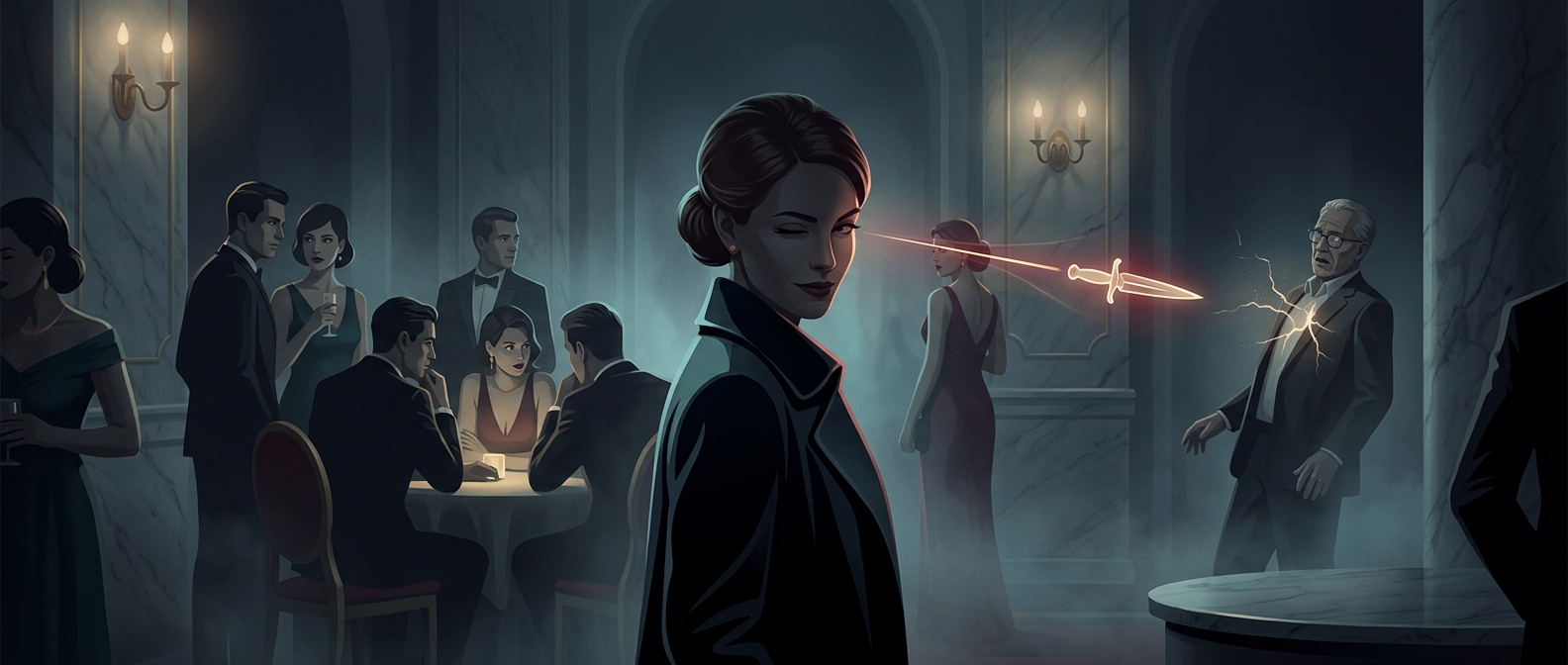
In Two Truths and a Lie, a player offers three statements about themselves: two true, one invented. The challenge is not simply to make something up. The lie has to sound as ordinary and personal as the truths, while giving listeners enough uncertainty to debate which statement is false.
That extra work can compete with the conversation itself. A player may be choosing a believable detail, remembering the story they have committed to, and watching the group’s reactions—all while trying to speak naturally. A true memory is usually easier to recount because it already has a shape; a fabricated one has to be assembled on the spot.
What Listeners Notice
The effort may show up as a pause, a stumble, a laugh, or visible nervousness. But those moments are clues for the game, not dependable proof: someone might giggle because they are excited, or hesitate while recalling a true event. The same behavior can mean different things for different players.
That ambiguity is part of the fun. Listeners are weighing the statement’s plausibility against the speaker’s delivery, while the speaker tries not to overexplain or react when guesses land close. A small change in timing can suddenly make an ordinary anecdote seem suspicious.
A Bluffing Game Without a Poker Face
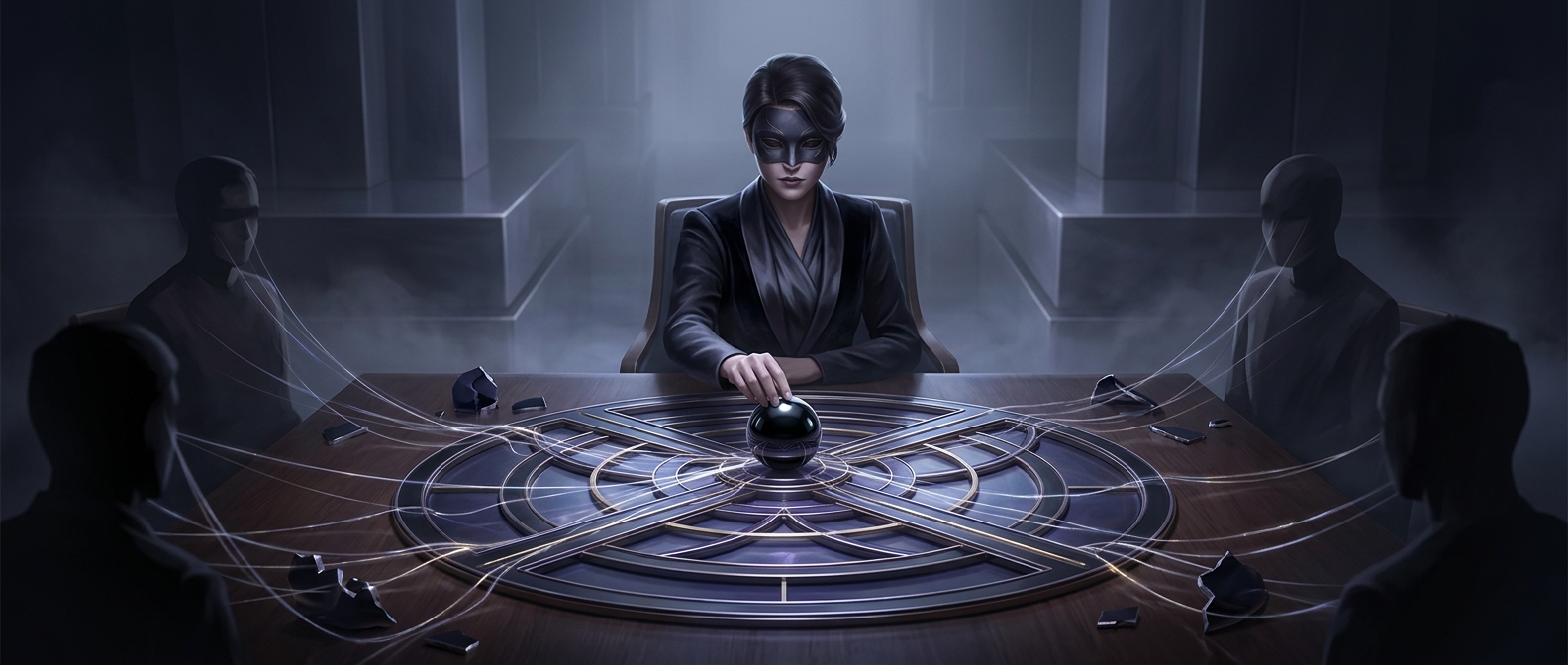
Unlike poker, the game gives everyone shared information to discuss and no special equipment to hide behind. Its tension comes from a simple mismatch: the speaker knows which detail is invented, but the audience has to infer it from a short story and a human reaction. The best bluff may not be perfectly smooth; it may simply be believable enough that the group spends its questions on the wrong truth.