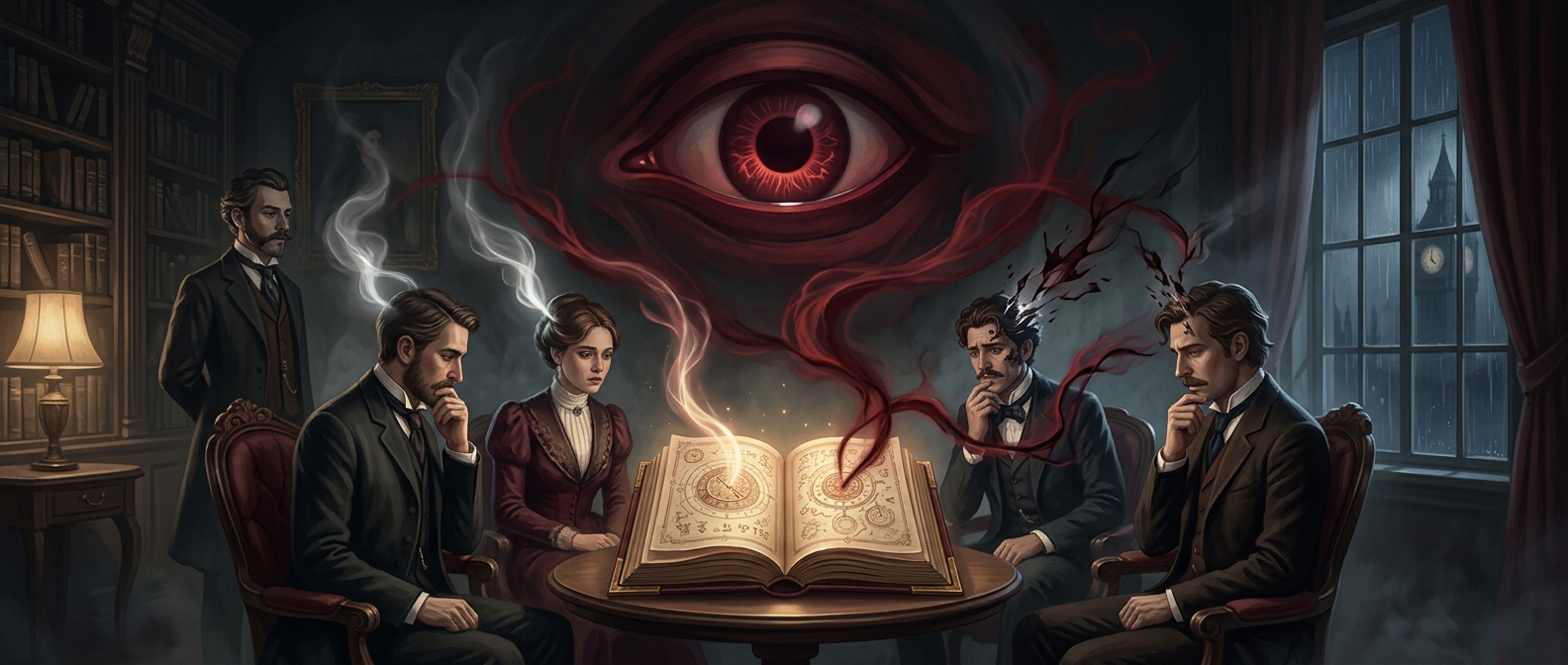
Why a Clue Can Be Convincing—and Wrong
In Blood on the Clocktower, information is part of the game’s machinery, not a guarantee of truth. Some players may be impaired without knowing it: a Drunk believes they are an ordinary townsfolk character, while a Poisoner can interfere with another player’s ability. When an affected player uses an information-gathering role, the moderator may give them an incorrect result.
That creates a special kind of uncertainty. A player is not necessarily lying or misremembering; they may be faithfully reporting what the game told them. Their confidence can be genuine, and the clue can still point in the wrong direction.
The Moderator Keeps the Mystery Moving
The moderator manages these effects behind the scenes, choosing what information an impaired player receives. The result is not simply that the player gets no clue. They may receive a plausible answer—one that fits the rules of their role and can persuade the group.
This lets the game keep producing clues while making their reliability a question the players must investigate. The group has to weigh a report against other accounts, possible character effects, and the possibility that its source is compromised. A contradiction may signal deception, but it may also be the trail left by an unseen impairment.
Trust Becomes Part of the Deduction
That uncertainty changes how players use evidence. Instead of treating one investigator’s result as a verdict, the group has to ask what would make the result trustworthy—and what alternative explanation could account for it. The most useful clue may be not the one that sounds most certain, but the one that still holds up when the group considers how it could have been falsified.