Why the number of chess games grows so quickly
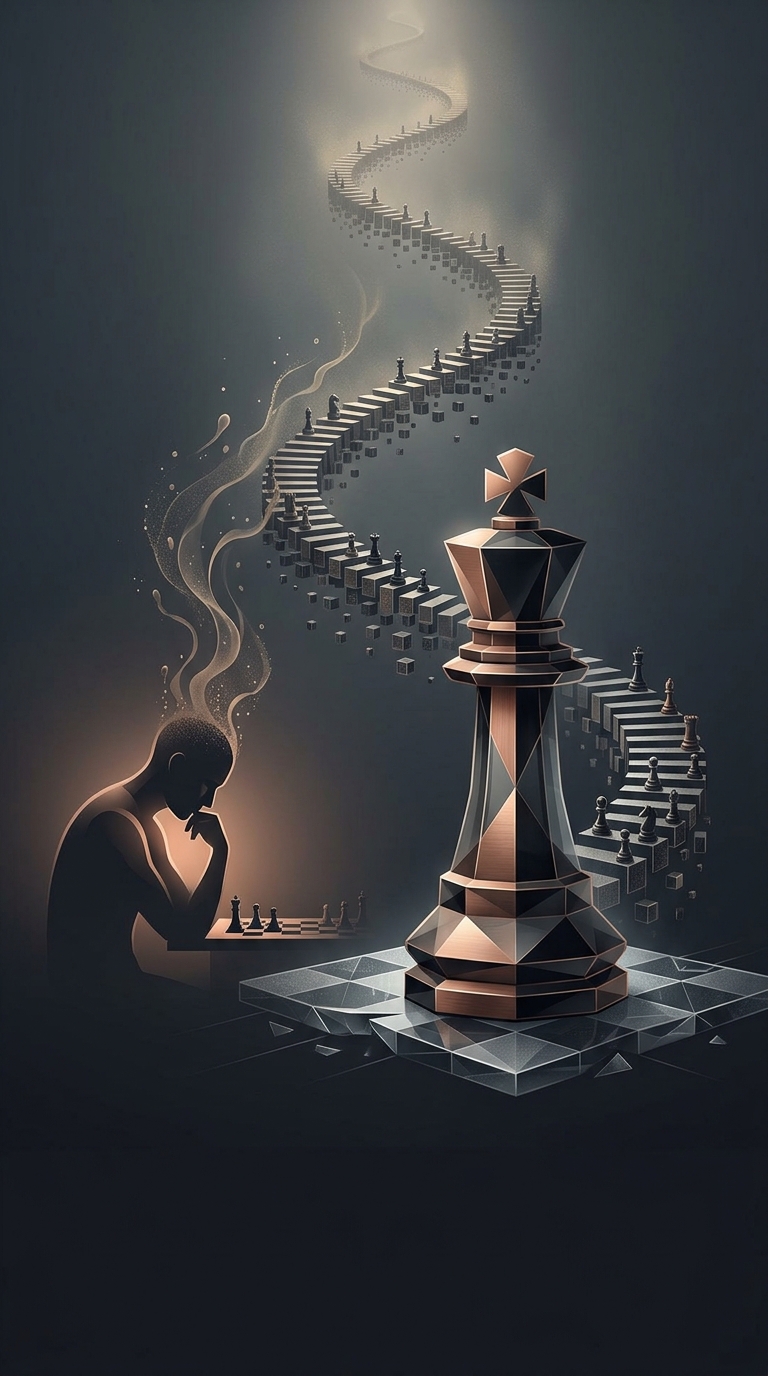
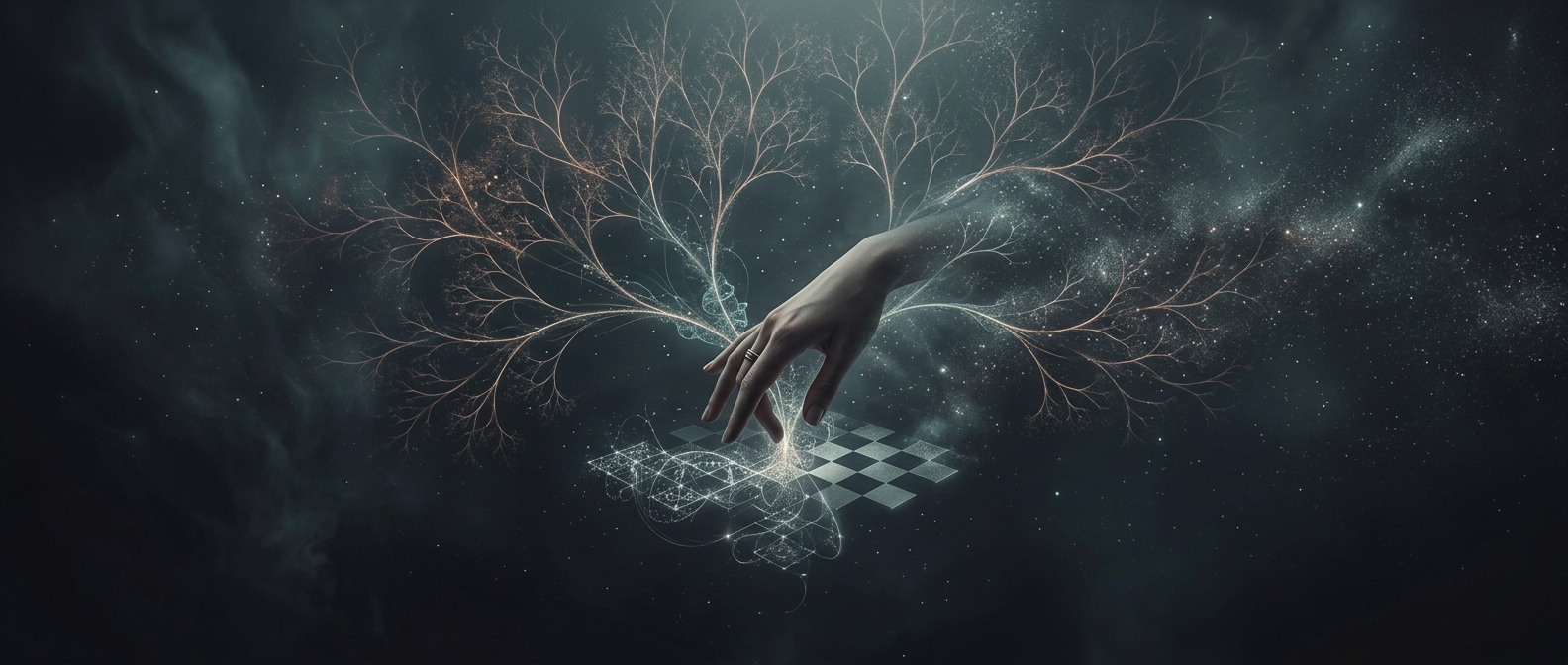
A chess game is a sequence of choices. After each move, the opponent usually has many legal replies, and each reply opens another set of possibilities. This branching process compounds: even if a position offers only a few dozen choices on average, repeating that choice across dozens of turns creates an enormous game tree—the collection of all possible move sequences.
Claude Shannon, a pioneer of information theory, estimated the scale by using roughly 30 legal choices per move and a game length of about 80 moves. Raising that average branching factor across the sequence produces an estimate near 10^120. It is a back-of-the-envelope count, not a list of games anyone could realistically generate.
Different moves can lead back to familiar positions
The estimate counts possible games, not distinct board positions. Two games can reach the same arrangement of pieces by different routes and still count as different sequences. In addition, a position can recur during a game, while rules governing repetition and other draw conditions limit how long some lines can continue.
That distinction explains why the figure is not simply a count of board layouts. The question is how many different legal histories can unfold—not how many ways the pieces can be arranged at one moment. Chess’s staggering variety comes from the branching path of decisions, with each move changing what can happen next.