A server can look dangerous before it actually is
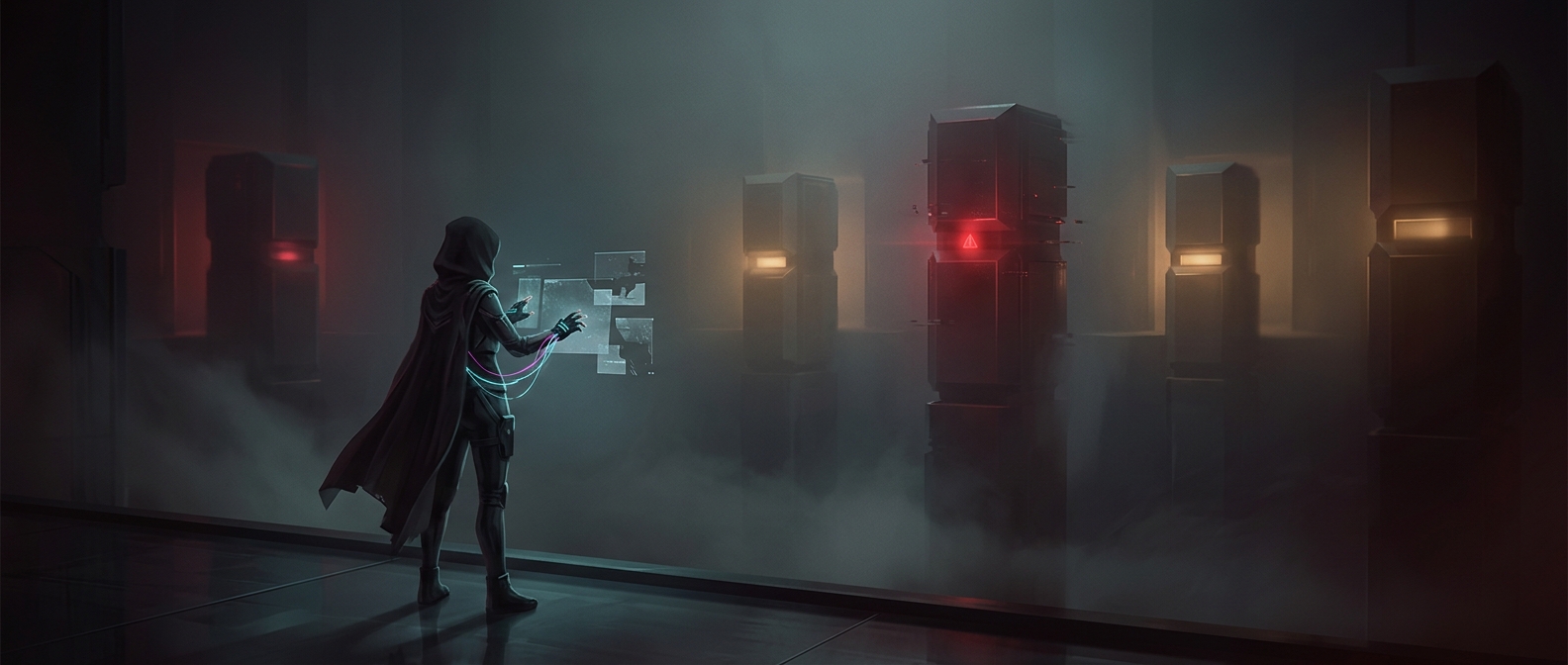
In Netrunner, the corporation protects computer servers with ICE—security programs the runner must confront during a raid. The corporation installs ICE face-down, so the runner can see that a barrier exists but not what it does. A hidden card might be cheap to pass, or it might demand costly equipment, credits, or even inflict damage.
The corporation does not necessarily reveal it right away. When the runner encounters the ICE, the corporation can pay to “rez” it: turn it face-up and make its abilities active. That payment is a real cost, so a threatening-looking defense may be a bluff—or a trap the corporation is willing to fund.
The runner is betting on incomplete information
A run takes time and resources. The runner has to judge whether the server’s contents are worth the risk, while deciding how much money and equipment to spend preparing for unknown defenses. Push too far without the right tools, and the raid can become expensive or dangerous. Turn back too soon, and the corporation may keep valuable data safe without ever having to reveal what it installed.
Meanwhile, the corporation must decide whether to spend resources activating its defenses or save them for later. Even an unrezzed card can influence the runner’s choice, because the runner cannot assume it is harmless.
The bluff has a material cost
This is not simply a contest of nerve: the hidden threat is backed by cards and a limited pool of resources. The corporation can make a server look costly to attack, but installing defenses and activating them compete with other plans. The runner can prepare to break through, but doing so also consumes resources that could be used elsewhere.
So each raid asks two linked questions: what might be behind the face-down card, and how much is the opponent willing to pay to make that possibility real? A bluff can protect a server without a fight; a costly defense can still fail if the runner decides the prize is worth the gamble.