The Midgame Loyalty Reveal Changes What Earlier Moves Mean
Battlestar Galactica’s hidden-role tension does not come only from one player secretly opposing the group. Its Sleeper Agent phase can make a player’s allegiance change—or become known to them—partway through the game. Players receive another loyalty card, and a card may identify its holder as a Cylon, the game’s enemy faction.
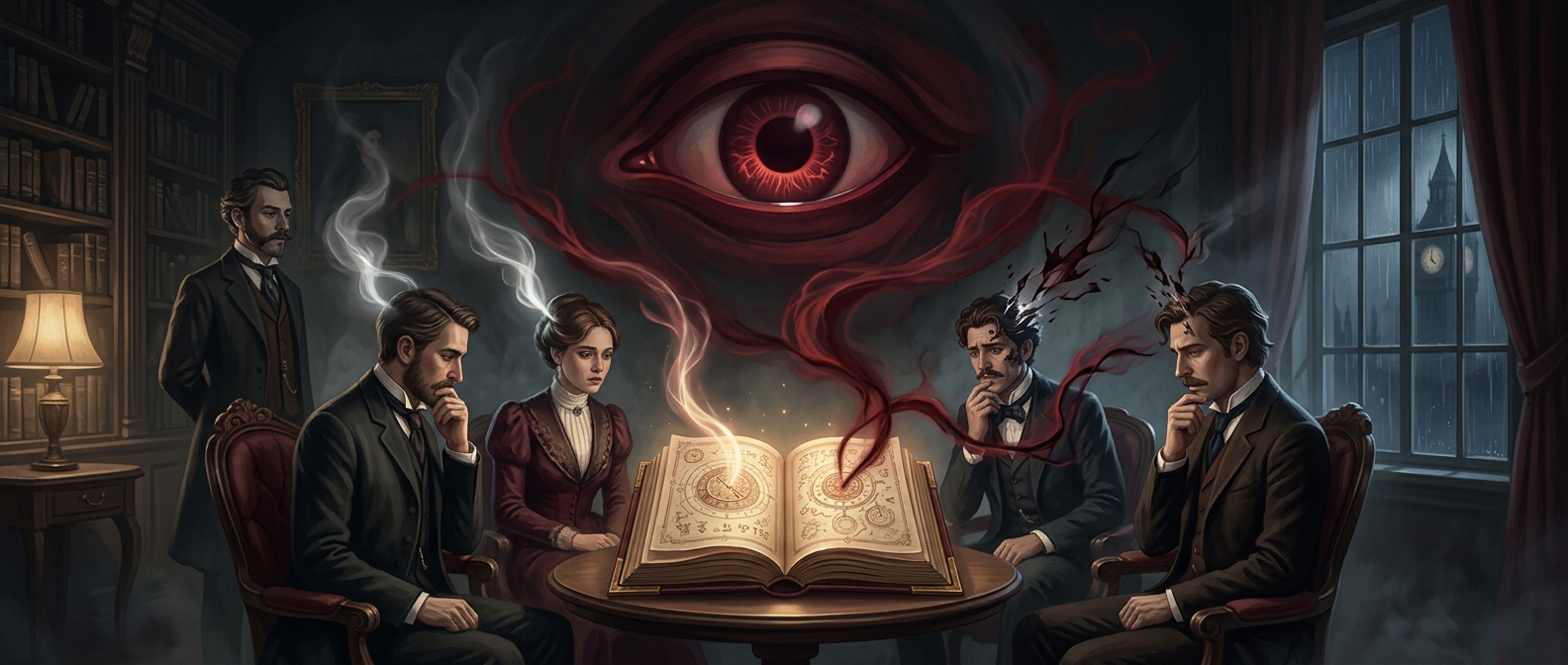
That timing gives the first half an unusual ambiguity. A player who has been helping the humans may have been sincere all along; another may have been quietly positioning the group for failure without yet knowing what role the new card would assign. Once the card arrives, the same person’s earlier choices can look very different in retrospect.
Suspicion Becomes a Resource Problem
The humans must cooperate to manage shared dangers and keep the ship functioning. But they cannot simply treat every questionable decision as proof of treachery: crises can force painful tradeoffs, and innocent players can make bad calls. Accusations and defensive maneuvers consume attention that could have gone toward solving the immediate problem.
That creates a social trap. If the group trusts too readily, a Cylon can exploit the opening. If it responds to every setback by turning on a teammate, it can damage its own position. The uncertainty is not just a mood around the table; it feeds directly into the decisions the game asks players to make.
A Betrayal That Rewrites the Past
The delayed card is effective because it complicates the usual hidden-traitor story. Players are not merely trying to discover who was lying from the beginning. They must also decide whether past cooperation still counts as evidence once someone’s loyalty becomes clear. The reveal changes the meaning of the group’s history, not just its next move.