A dropped cloth starts a race for one open place
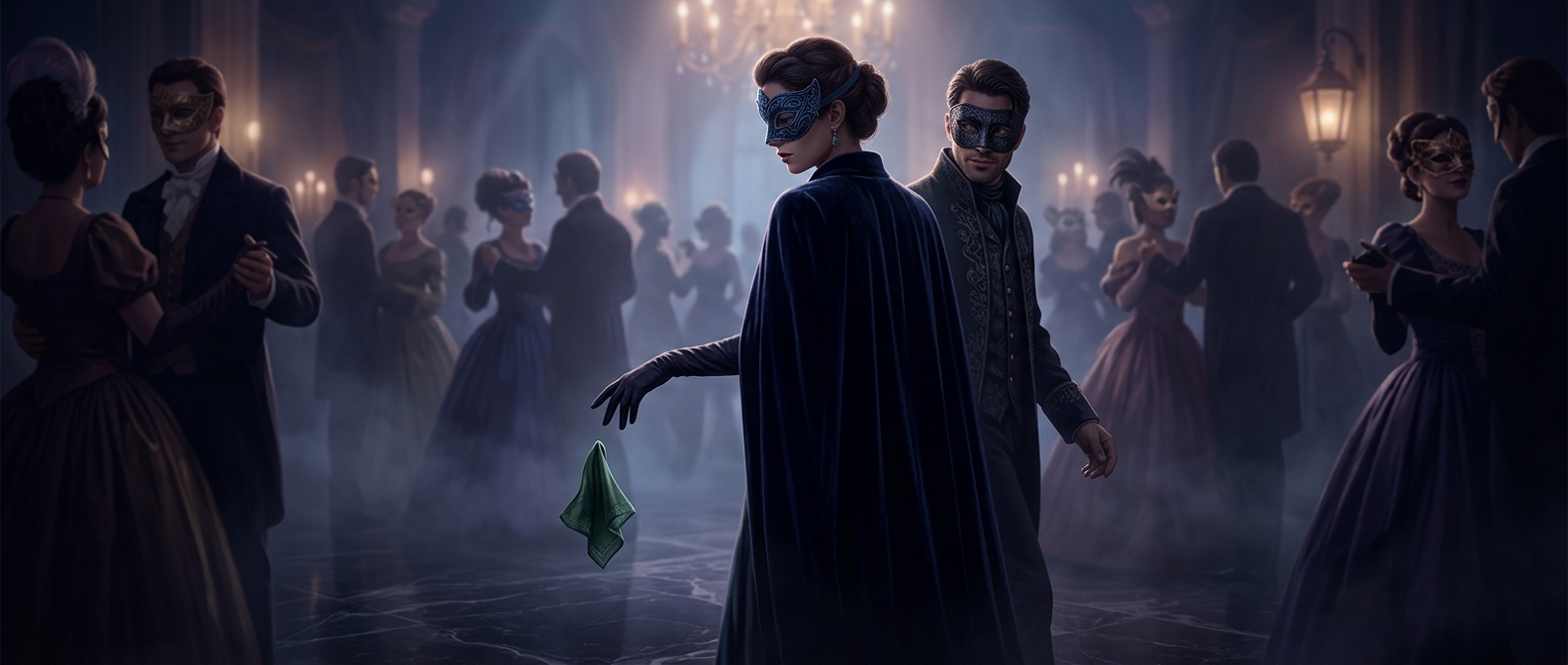
The handkerchief is not just a signal: it quietly changes who has a place in the circle. As the player who is “it” walks, everyone has to watch without knowing who will be chosen. Once the cloth lands, the selected player must spot it, stand, and pursue the walker before that walker can complete the loop and sit in the empty place.
If the walker gets there first, the chaser becomes “it” for the next round. If the chaser catches the walker, the same player may have to try again, depending on the group’s rules. That small uncertainty keeps each lap from feeling like a predictable turn-taking game.
Attention is part of the contest
The game gives the waiting players a job: keep track of the person circling behind them. Looking away, getting distracted, or taking too long to react can decide the round. The walker, meanwhile, can vary their pace and choose when to drop the cloth, so the chase begins with a brief test of observation as well as speed.
Because the circle itself defines the route and the vacant seat, the rules need little equipment or explanation. A handkerchief makes the trigger visible, and the group supplies the track, the audience, and the next player. The result is a game in which one quiet drop can turn an entire circle of watchers into spectators of a sprint.