Why the glasses can fool you
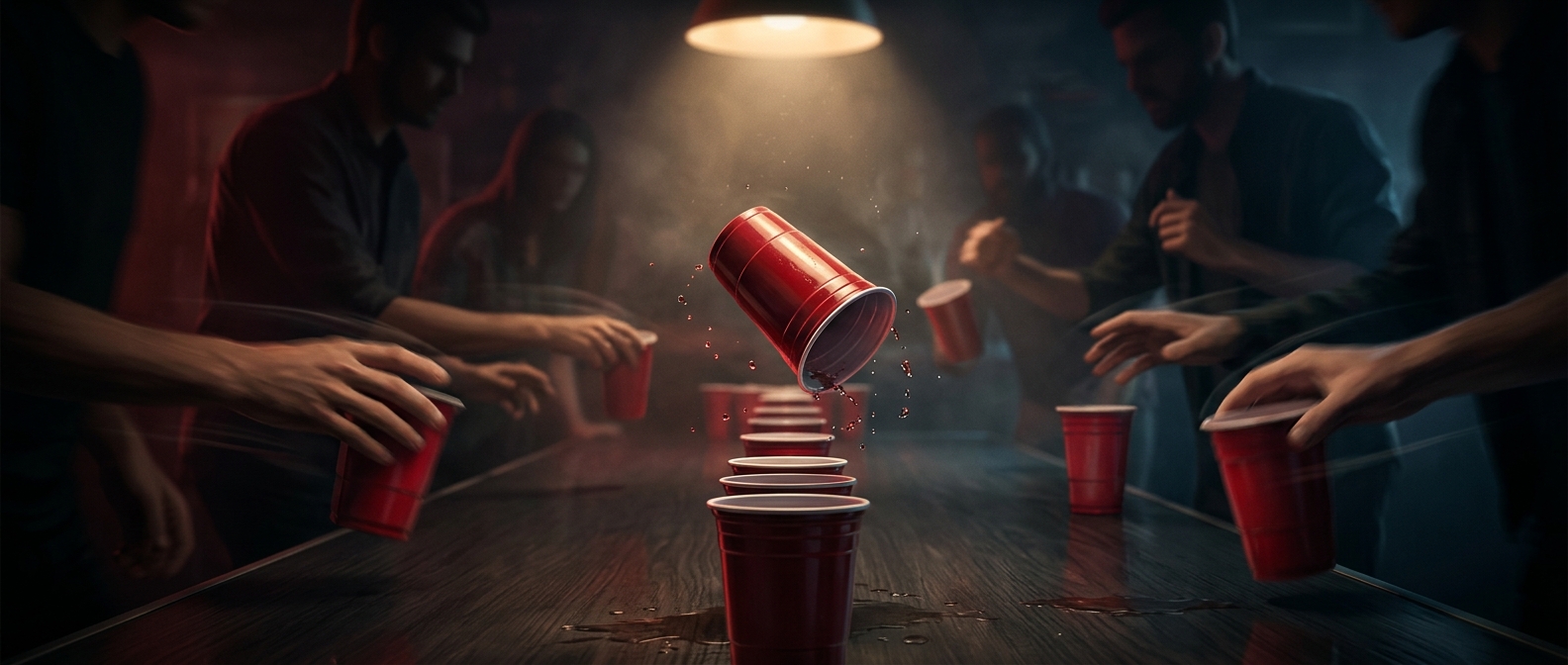
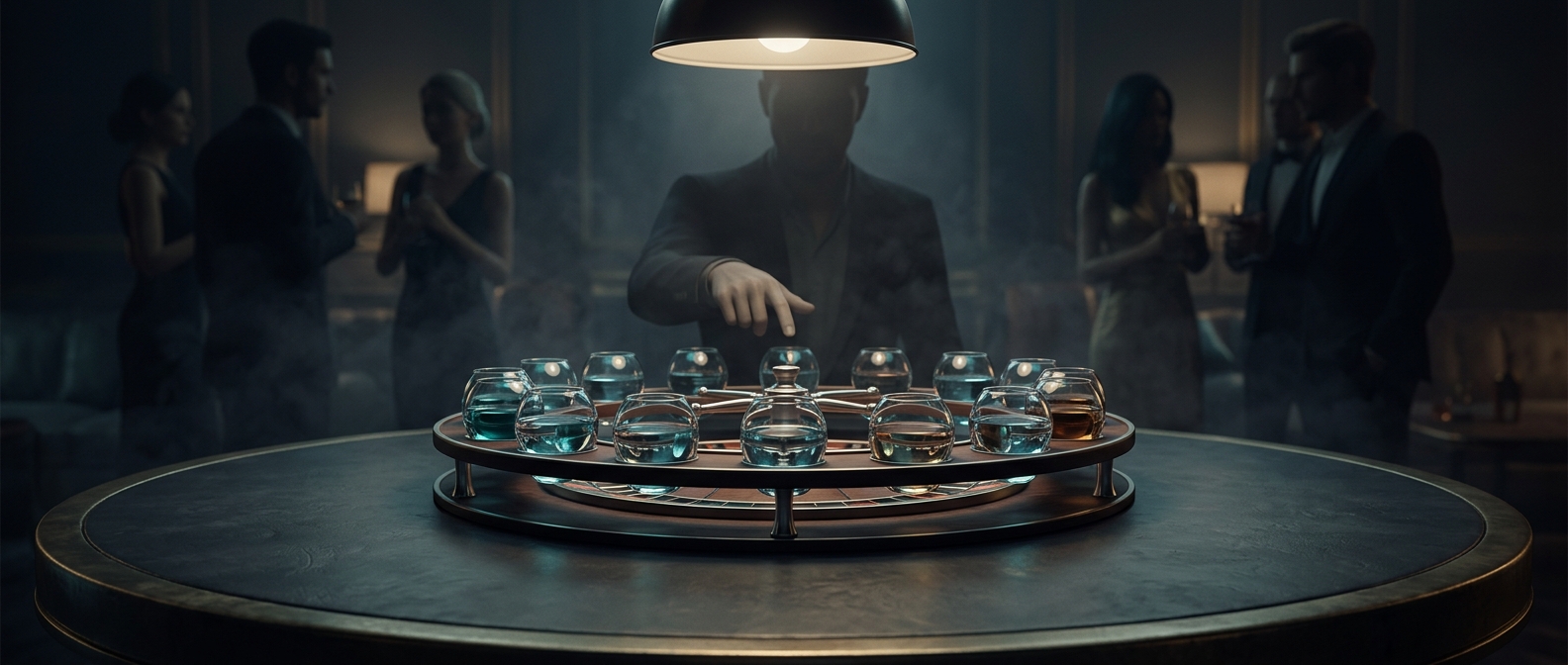
Water and clear spirits can look nearly identical in an ordinary glass. The difference is chemical, not visual: spirits contain ethanol, the alcohol that causes intoxication, while tap water does not. “High-proof” means the spirit is especially concentrated, so even a small sip may have a sharp, burning taste.
That burn is a warning sensation, not a dependable measuring tool. People vary in how strongly they perceive it, and flavor, temperature, or a quick swallow can make a sip harder to judge. A glass that looks harmless—or a participant who does not notice the taste right away—does not make its contents safe.
The danger arrives on two timelines
The mouth may register the alcohol immediately, but intoxication develops as alcohol is absorbed into the bloodstream. If someone drinks a concentrated spirit quickly, they can consume more than intended before the effects are fully apparent. Those effects can impair judgment and coordination; severe intoxication can become a medical emergency.
That mismatch is what makes the trick more than a matter of an unpleasant surprise: appearance offers no reliable way to tell what is in the glass, and the body’s warning signs may lag behind the dose. A safe game should make every drink identifiable and voluntary—not depend on someone discovering the contents only after taking a sip.