Why a Drinking Relay Moves One Person at a Time
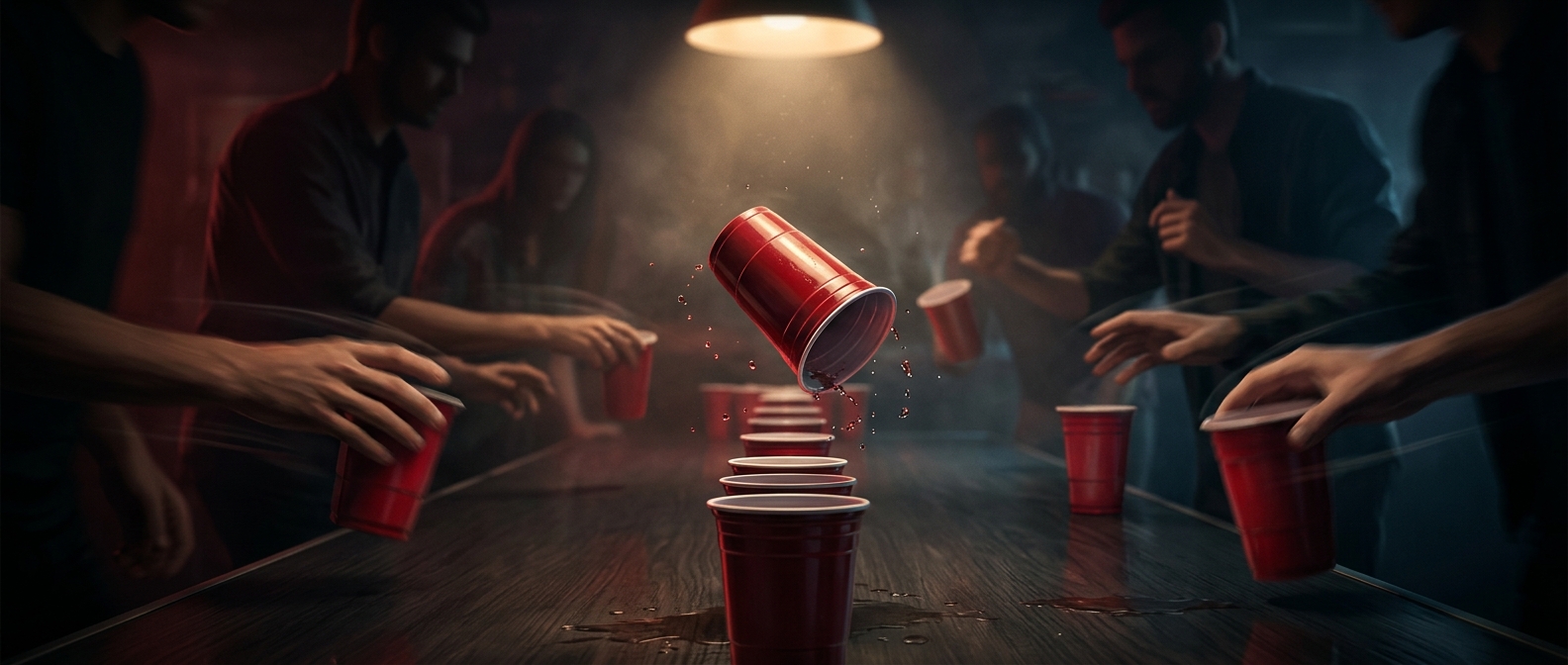
The defining constraint is not just how quickly each teammate drinks; it is that only one person can make progress for the team at any moment. The next player has to wait for a clear handoff: the current drink is finished, and the empty glass is put down. That makes the race a relay rather than a contest of simultaneous speed.
The Handoff Sets the Pace
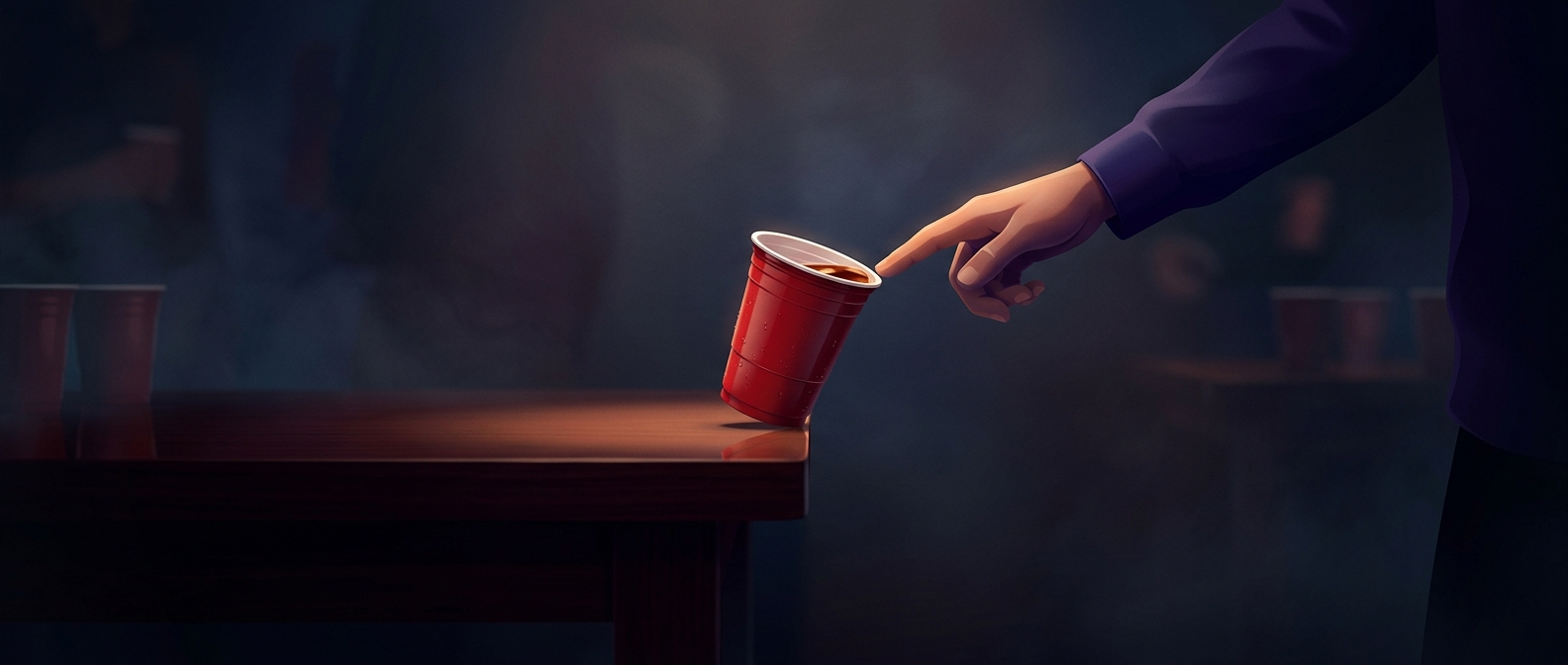
Because the team cannot overlap turns, every pause carries forward. A teammate who is slow to finish, or who hesitates at the handoff, holds up everyone behind them. Meanwhile, teammates waiting their turn cannot make up time by starting early. The empty glass acts as a simple finish signal, so players can see when the next turn is allowed to begin.
This rule makes the team’s order and coordination part of the contest. A fast drinker may help, but no single player can race ahead for the whole group; each turn has to be completed before the next begins. The result is a game whose tension comes from watching one bottleneck move from person to person—and from knowing that the team’s total time depends on every handoff.