The bounce turns the table into part of the game
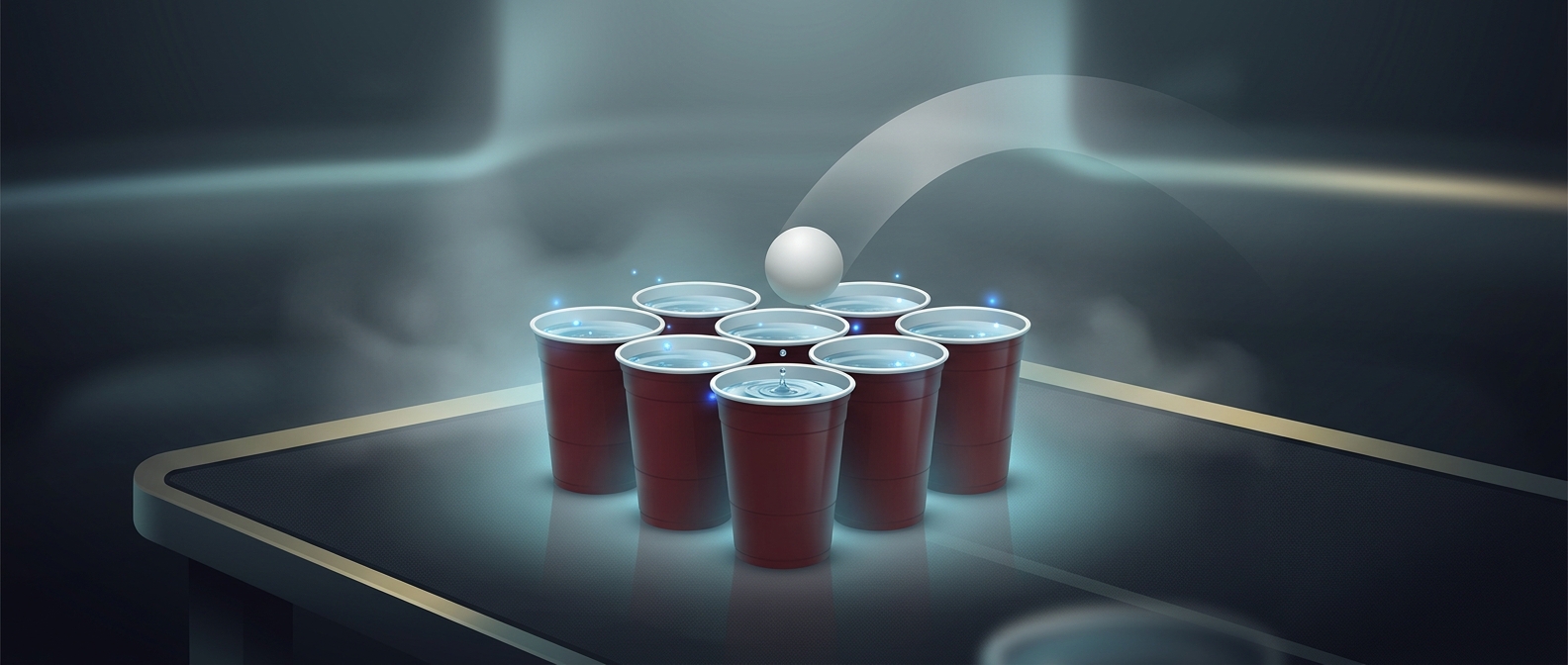
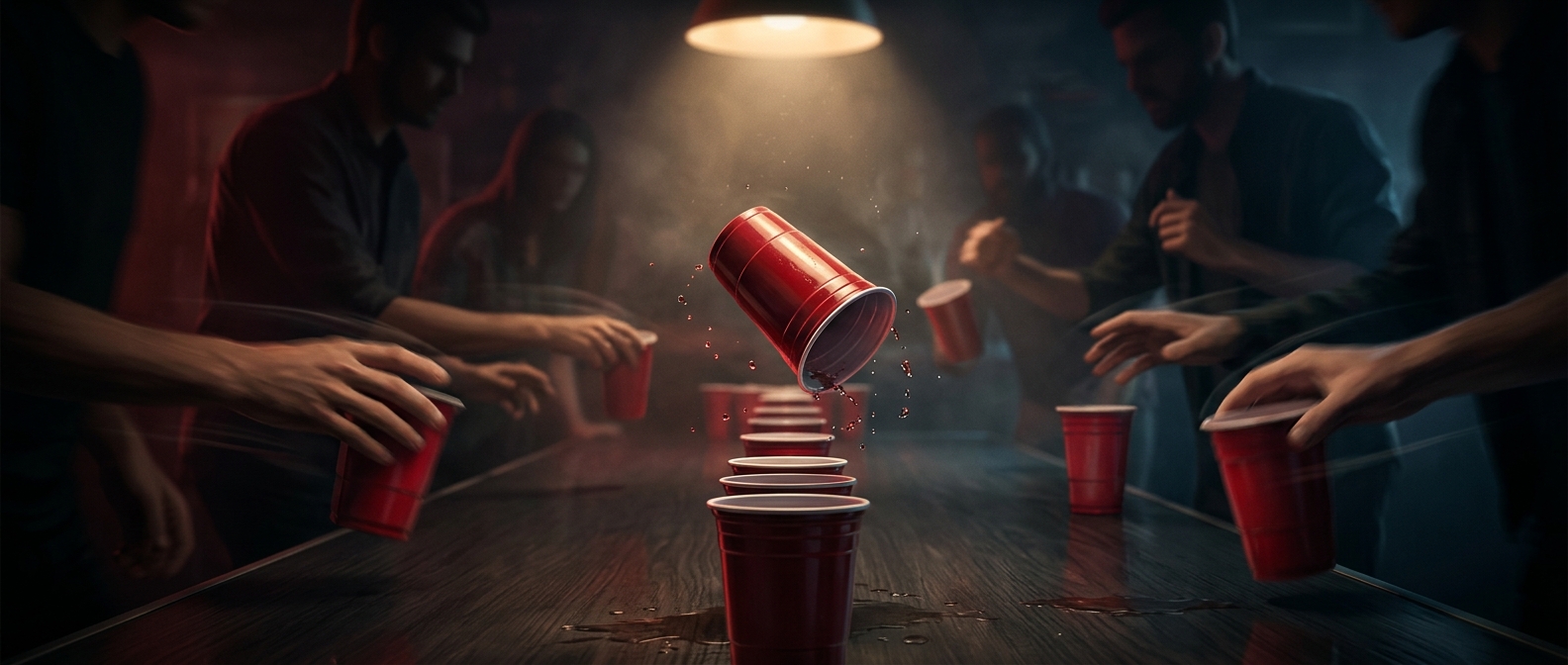
A beer-pong ball is not just aimed at cups; players can also bounce it off the table to make a shot harder to block. That changes the ball’s route from a clean arc through the air into repeated contact with a shared playing surface. A missed shot may roll across the table or floor, then be picked up and thrown again.
How residue travels
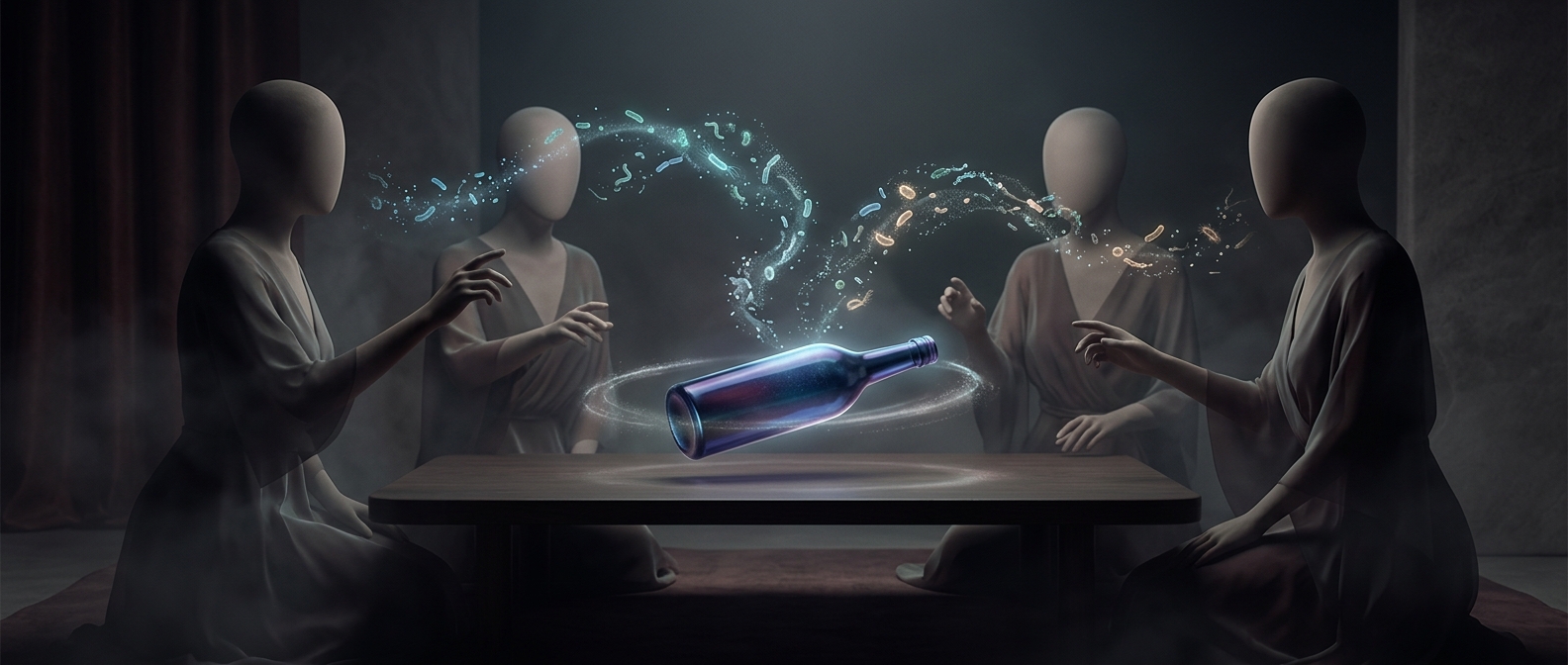
The ball’s surface can pick up small amounts of whatever it touches. When it lands in a cup, moisture helps some of that residue transfer into the drink; liquid on the ball can also carry material back out when someone retrieves it. Sticky spills make the route especially visible: the ball may collect residue, leave a tacky mark, and gather lint or grit as it rolls.
The amount transferred varies with the surfaces, the liquid, and how wet the ball is. The important point is simpler: the cup is not isolated from the rest of the playing area. Each bounce and retrieval links the table, hands, ball, and drink in one chain of contact.
That is part of the game’s odd bargain. A bounce can be a clever shot, but it also sends the ball through a messier route before the cup becomes the target.