A machine voice with a singer behind it
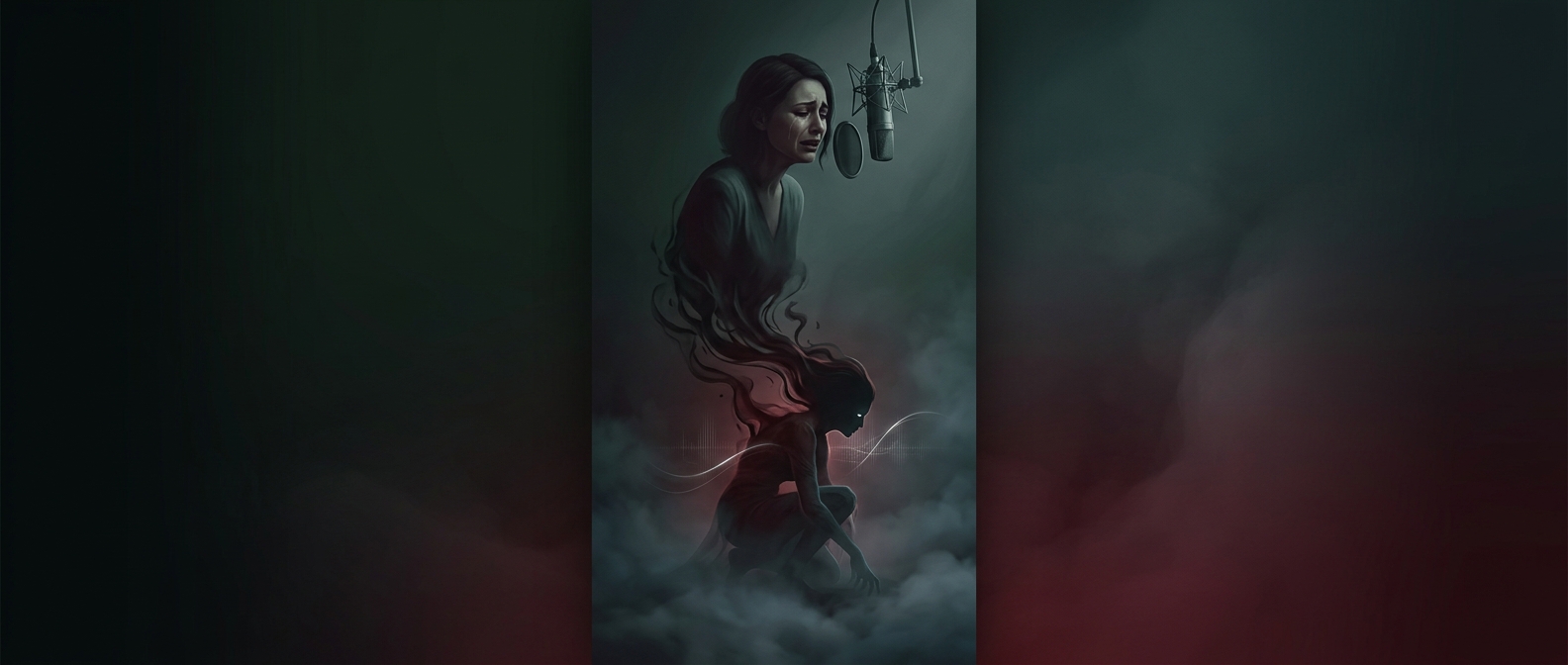
GLaDOS’s spoken lines sound controlled and artificial, but the end-credit song gives the character a different instrument: Ellen McLain’s trained operatic voice. Its steady pitch and carefully shaped notes make the singing sound polished, not like a computer struggling to imitate music. That contrast lets the same character feel both more human and more unsettling without changing who is speaking.
The credits become part of the punchline
After the game’s tense conflict, the song is a sudden change of mode. Instead of ending with silence or a conventional victory anthem, the credits let GLaDOS sing. The melody is pleasant and composed; the words preserve her cold, self-possessed attitude. The gap between the two is the joke—and a final reminder that defeating her has not made her disappear from the story.
McLain’s performance makes that turn work: GLaDOS can sound like a machine in conversation and a poised singer in music, while remaining unmistakably the same character. The credits do more than list names; they give the game one last, unexpectedly graceful voice from its antagonist.