Why the Little Sisters Sound Both Vulnerable and Unsettling
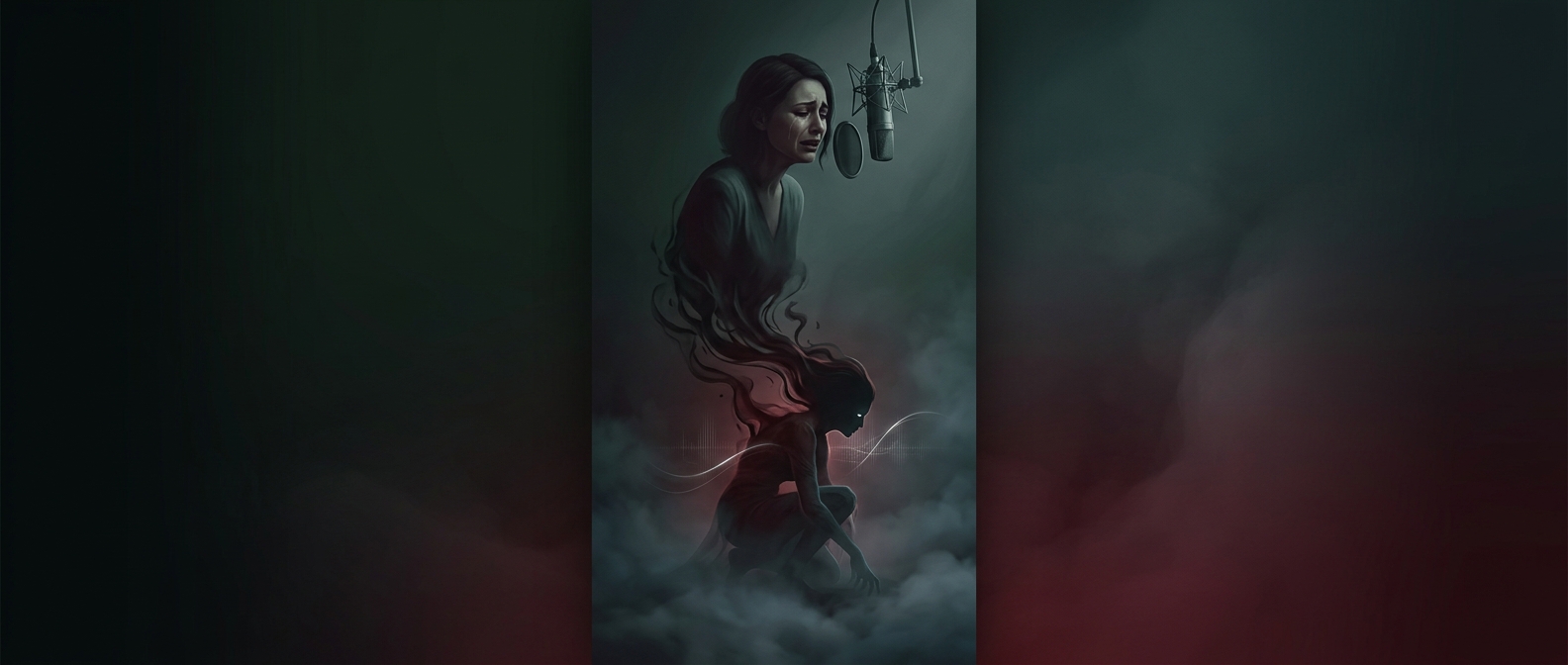
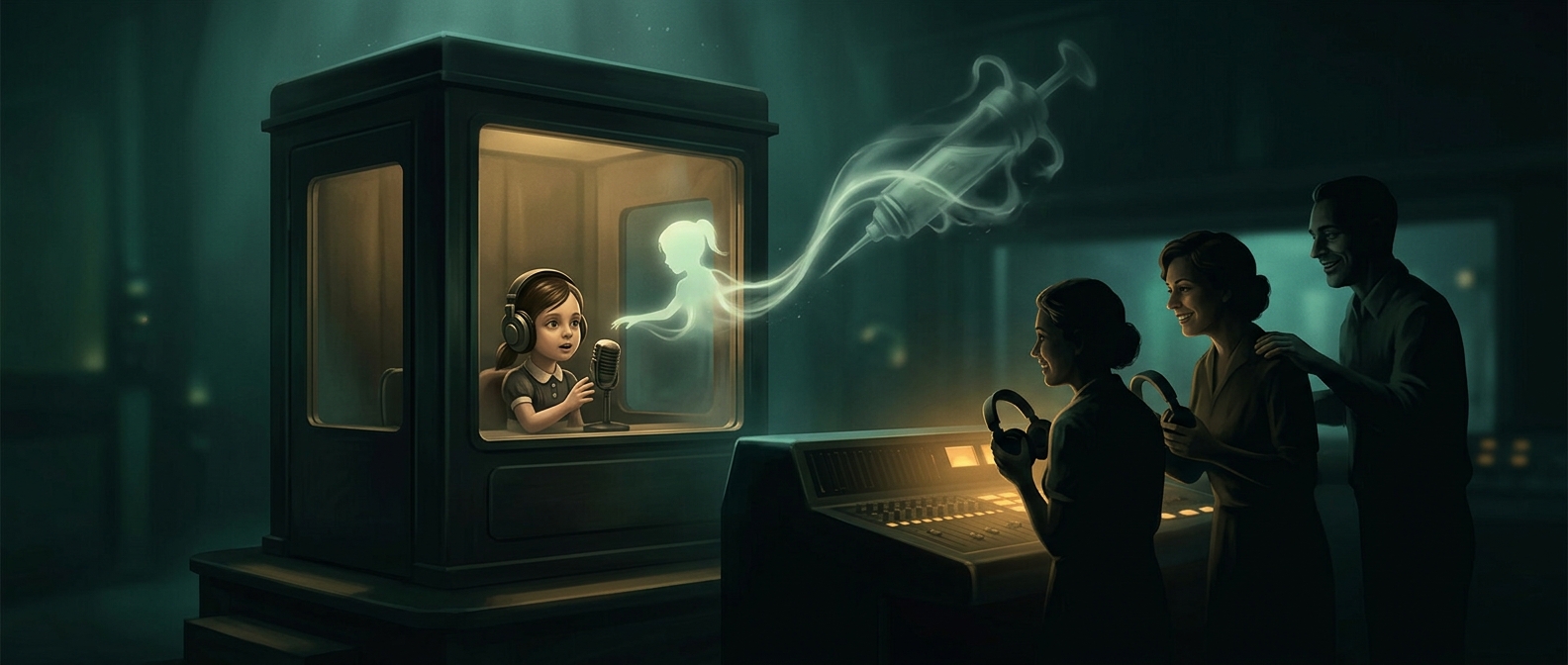
In BioShock, the Little Sisters are children transformed by Rapture’s brutal system for collecting ADAM, a substance used to alter the human body. Their voices had to carry two truths at once: they were still recognizably children, yet they belonged to a world that had made childhood frightening. Casting children from the audio team’s own families gave the recordings an actual childlike quality rather than an adult imitation of one.
That contrast changes how players read the girls. A small voice can suggest dependence and innocence; set against the Sisters’ disturbing circumstances, it also makes the city’s corruption feel personal. The unease comes not simply from a frightening sound, but from the mismatch between what a child’s voice usually signals and what the player sees happening in Rapture.
Sound That Complicates a Game Choice
The Little Sisters are not just background figures. Players encounter them in situations tied to a consequential choice about how to treat them, so their apparent vulnerability affects the meaning of that decision. Their voices help make the girls feel like individuals rather than a resource in the game’s economy.
That is a useful kind of performance design: a voice can establish character before the player knows much about the character’s history. Here, the child actors’ presence gives the Sisters’ innocence a direct, human sound—and makes the menace around them harder to dismiss as mere fantasy.