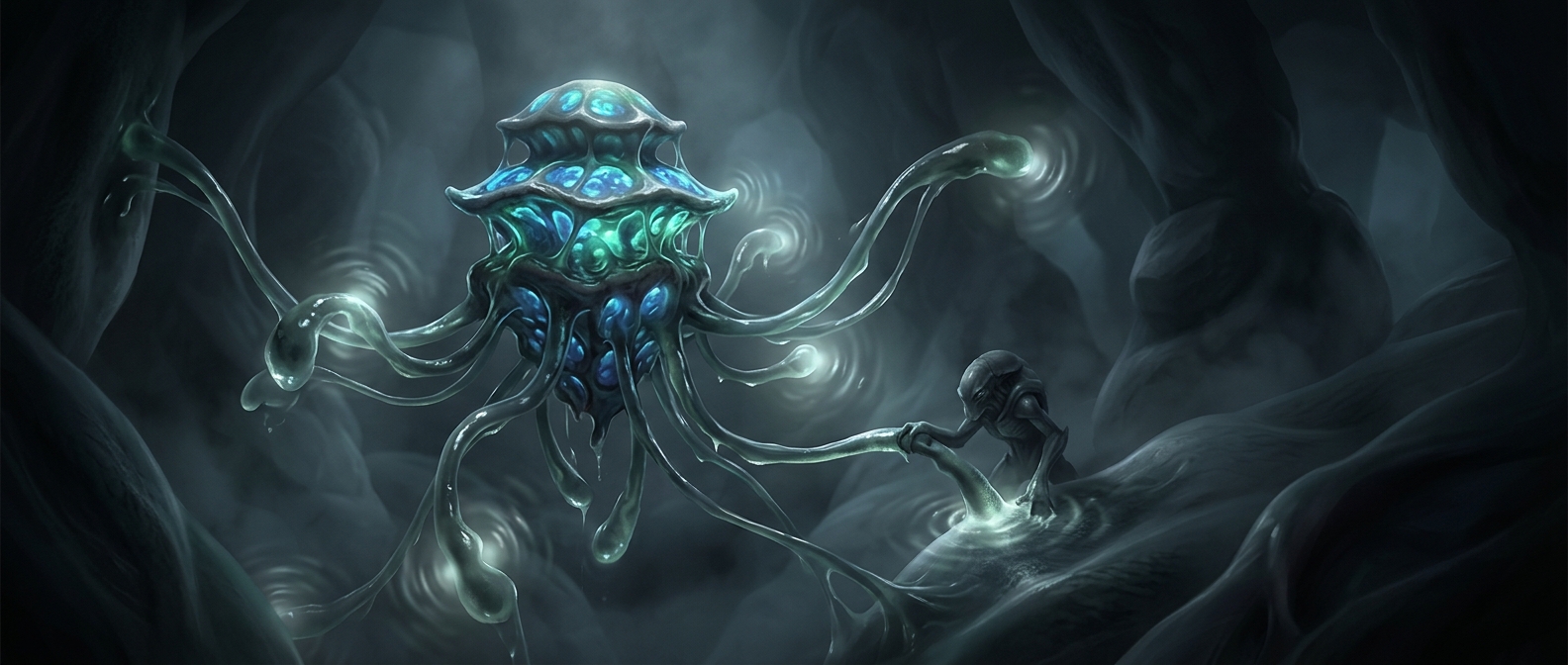
A voice made of texture, not language
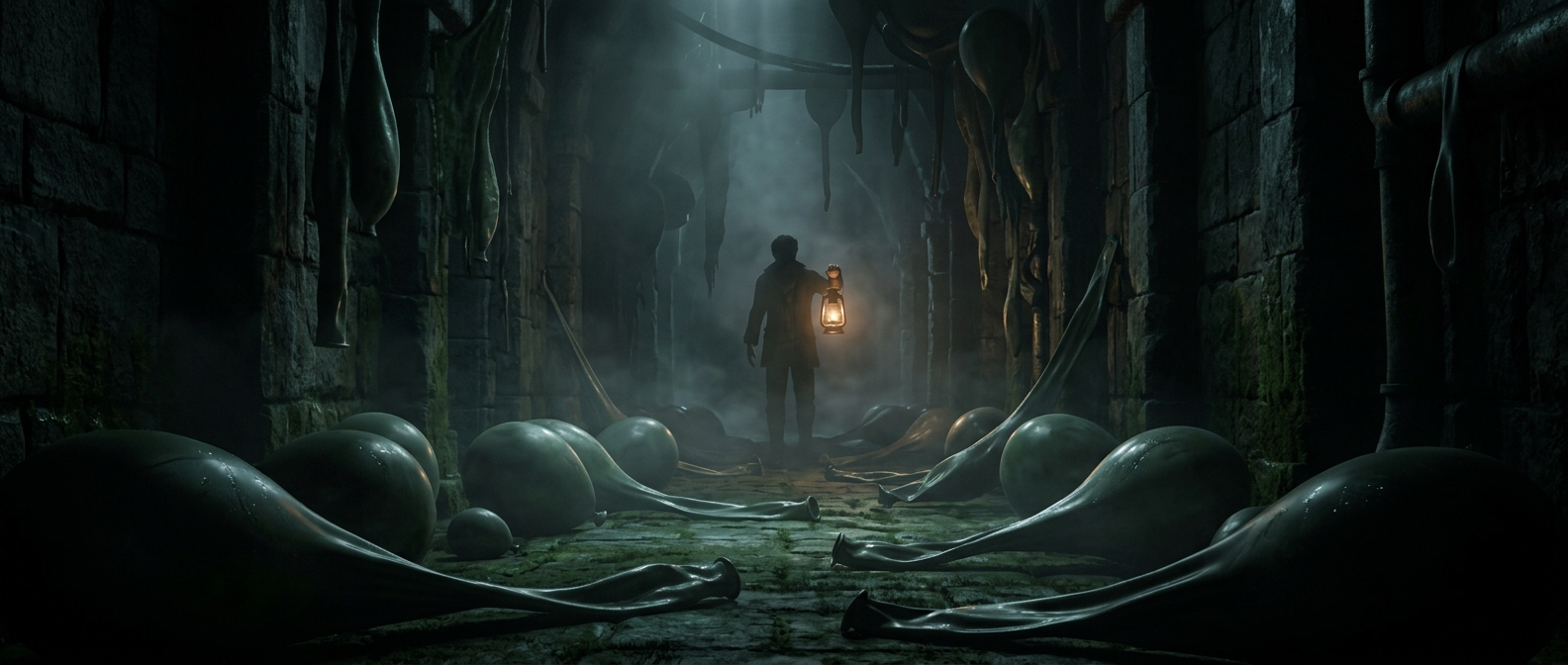
The Zerg’s voices are built to sound biological before they sound intelligible. Gurgles, wet clicks, and hisses suggest breath, fluid, and tissue—qualities that make the faction feel like a swarm of living organisms rather than an army operating machines. The sounds do not need to resemble speech; their job is to make the Zerg feel alien and unsettling.
That choice also gives the faction a distinct identity by ear. In a crowded match, players may not be looking at every unit when they select it or give it an order. A recognizable vocal response can confirm that the game registered the command, while its unusual texture helps mark the responding unit as Zerg.
Why the squelch works in play
A unit’s response is a small piece of feedback: select it, issue an order, hear it answer. If every reply were a clear spoken sentence, repeated commands could make the battlefield sound like a conversation. Nonverbal sounds keep that feedback brief and atmospheric, leaving the player to focus on the action rather than parse dialogue.
The same sound can serve two purposes at once: it confirms an interaction and reinforces the fiction that the Zerg are creatures, not people in uniforms. The squelch is both a voice and a design cue. It makes even routine commands feel as though the player is directing something alive—and distinctly not human.