Why a game character needs more than one grunt
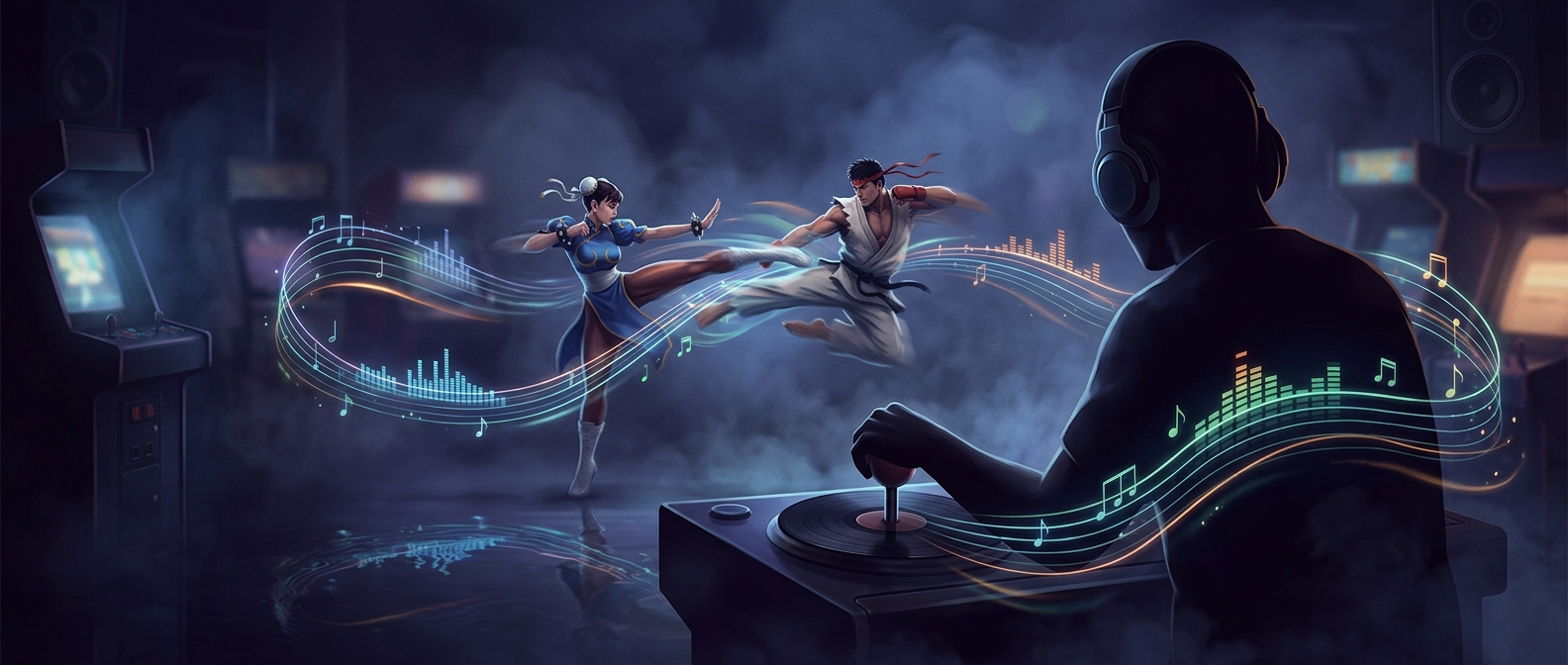
In a game, a character may jump, get hit, climb, or struggle many times in a single session. If each action triggers the same recorded sound, the repetition can become obvious: the player hears the audio loop rather than the character reacting. Small vocal sounds—often called efforts in production—help make those actions feel physical, so they need enough variation to stay convincing.
Building a usable set of reactions
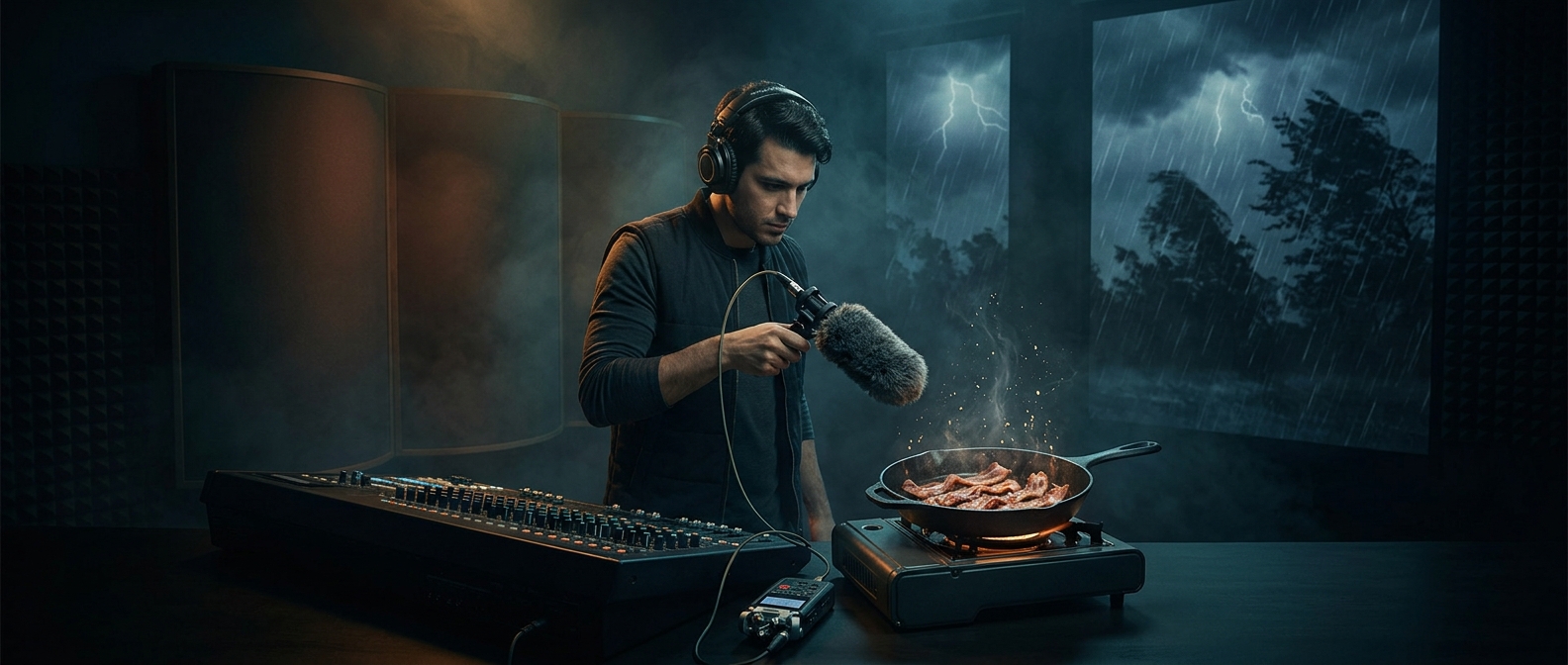
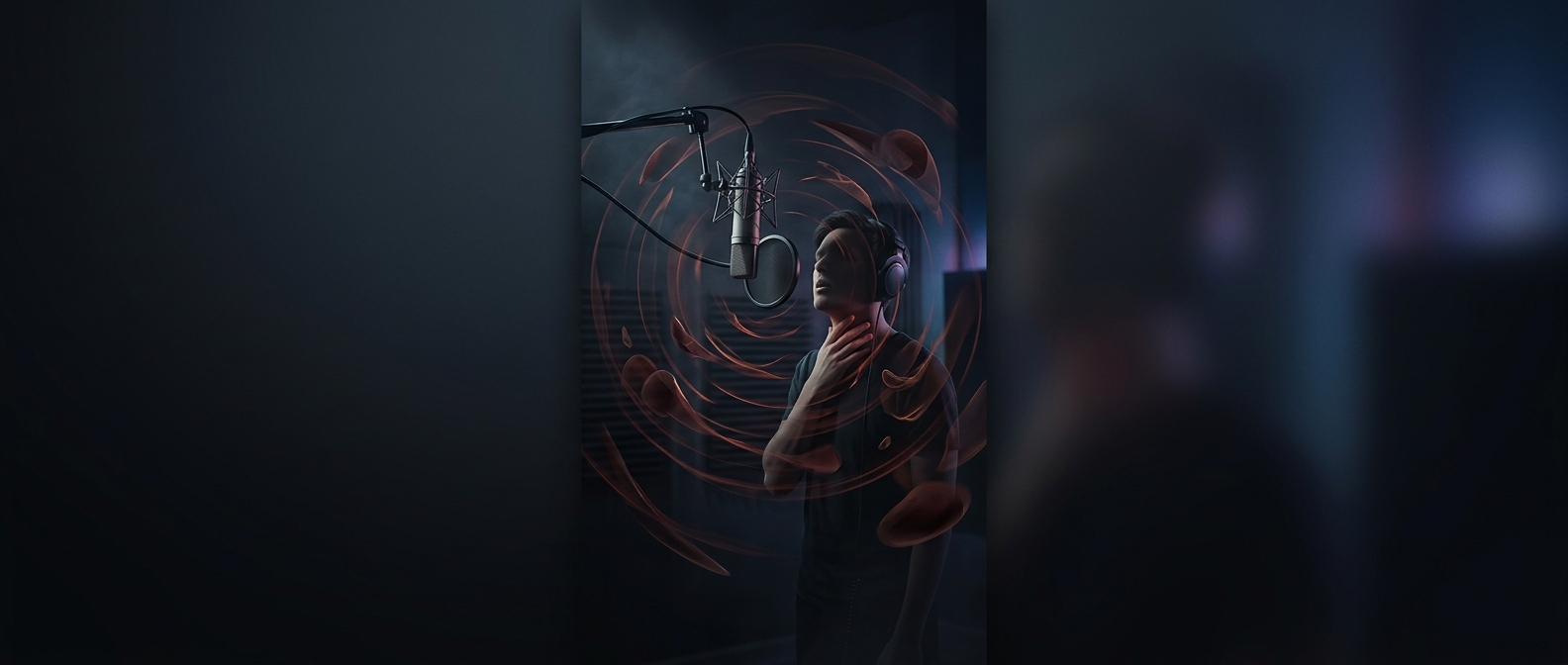
Actors record multiple takes that differ in pitch, force, duration, and breath. A sharp, strained sound can suggest a hard impact; a softer exhale may suit a lighter movement. The goal is not simply to collect a pile of random noises. Each take must remain believable for the character and useful for the action it will accompany.
The game can then draw from the recordings when an event occurs, rather than replaying one identical file every time. Depending on the design, a sound may also be chosen or adjusted to fit the moment. That gives the audio room to respond to changing actions without requiring a new line of dialogue for every small movement.
Variation protects the illusion
These sounds carry character even when no words are spoken. A controlled breath, a pained grunt, or an effortful sigh can make movement feel heavier or a reaction more vulnerable. Recording many versions gives designers choices while keeping those reactions within a consistent performance. The payoff is subtle: players notice the action, not the same grunt arriving on the same beat again and again.