Why an on-screen scream can strain a voice
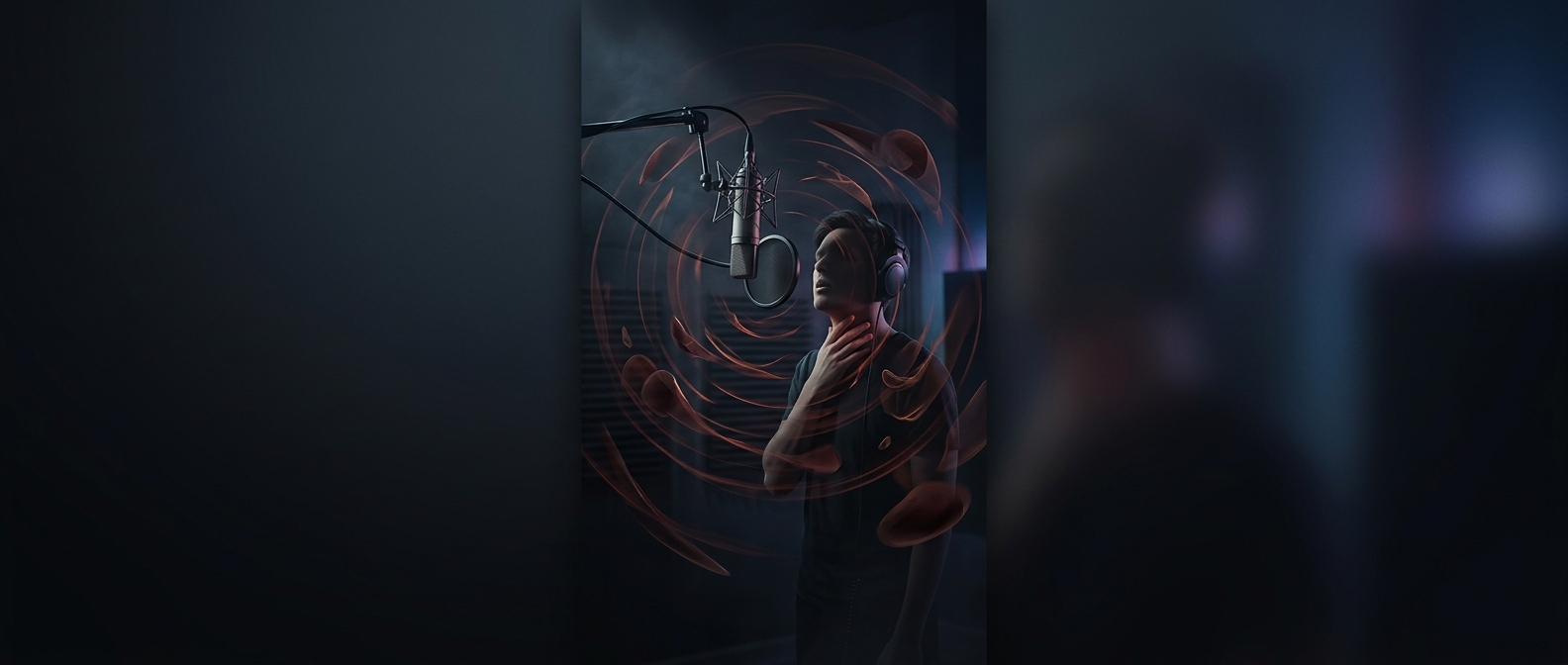
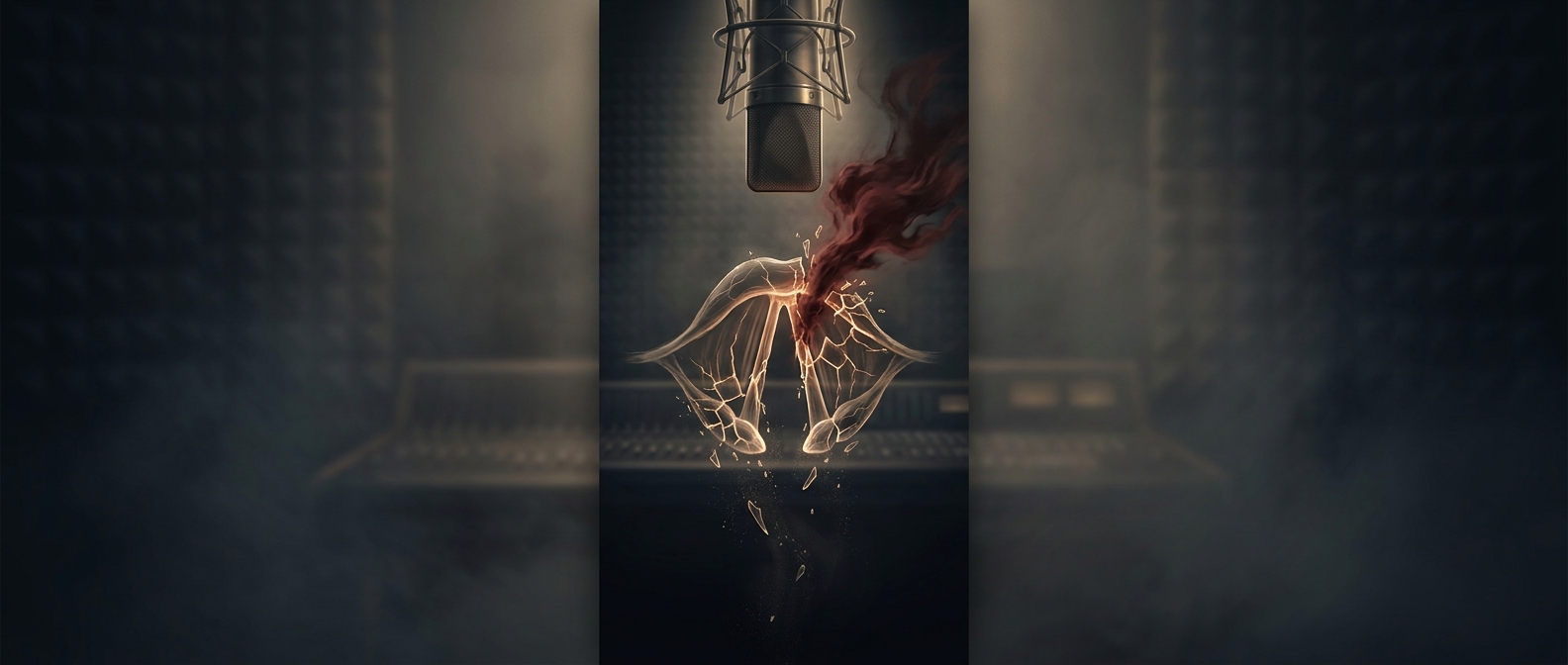
A scream may last only a few seconds in a game, but producing it at full intensity can put heavy force on the vocal folds—the two bands of tissue in the larynx that vibrate to make sound. They must meet rapidly as air passes through them. If they collide forcefully, especially during repeated takes, tiny blood vessels can break. Blood then leaks into a vocal fold, causing a hemorrhage that can abruptly change or weaken the voice.
The microphone does not create the injury; it captures a performance that may already be physically demanding. A close microphone lets a performer sound intense without shouting at maximum volume, but it cannot make poor vocal technique harmless.
How performers make the sound more safely
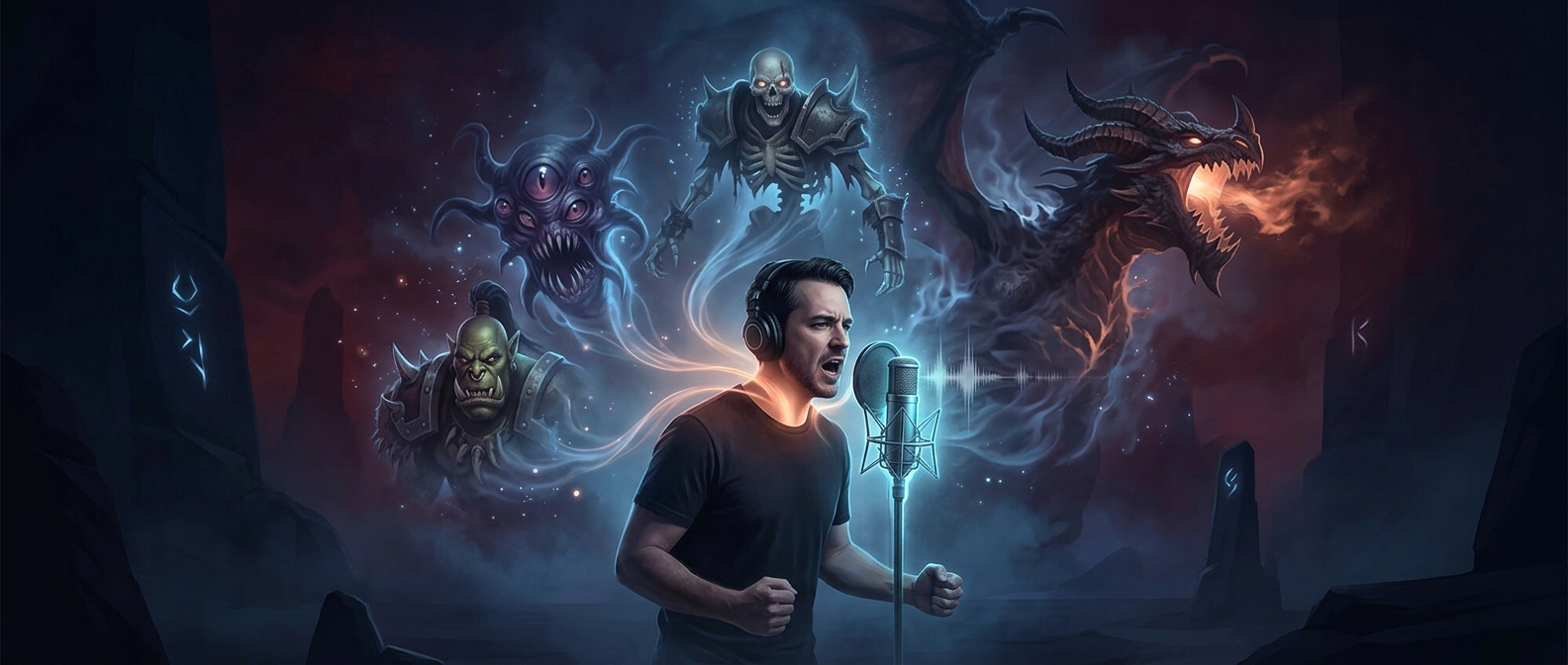
Vocal coaches help actors find a controlled way to create the impression of a shriek. That can involve shaping the sound with breath and resonance rather than squeezing the throat, and building up to demanding sounds instead of launching into them cold. The aim is to make the character sound distressed while limiting unnecessary force on the vocal folds—not to make a forceful scream risk-free.
Recording choices matter, too. A director can capture a shorter burst, pause between takes, or assemble a scene from several recordings rather than asking for one prolonged cry. Those choices balance the sound the game needs against the performer’s ability to repeat it.
The performance has a physical limit
In an action scene, the audience may hear a single continuous scream, while the actor records it in pieces. That gap between the seamless sound and the stop-start work behind it is a practical safeguard: vocal intensity can be created in the performance without requiring the performer to sustain maximum strain for the entire scene.