Acting Against an Empty Room
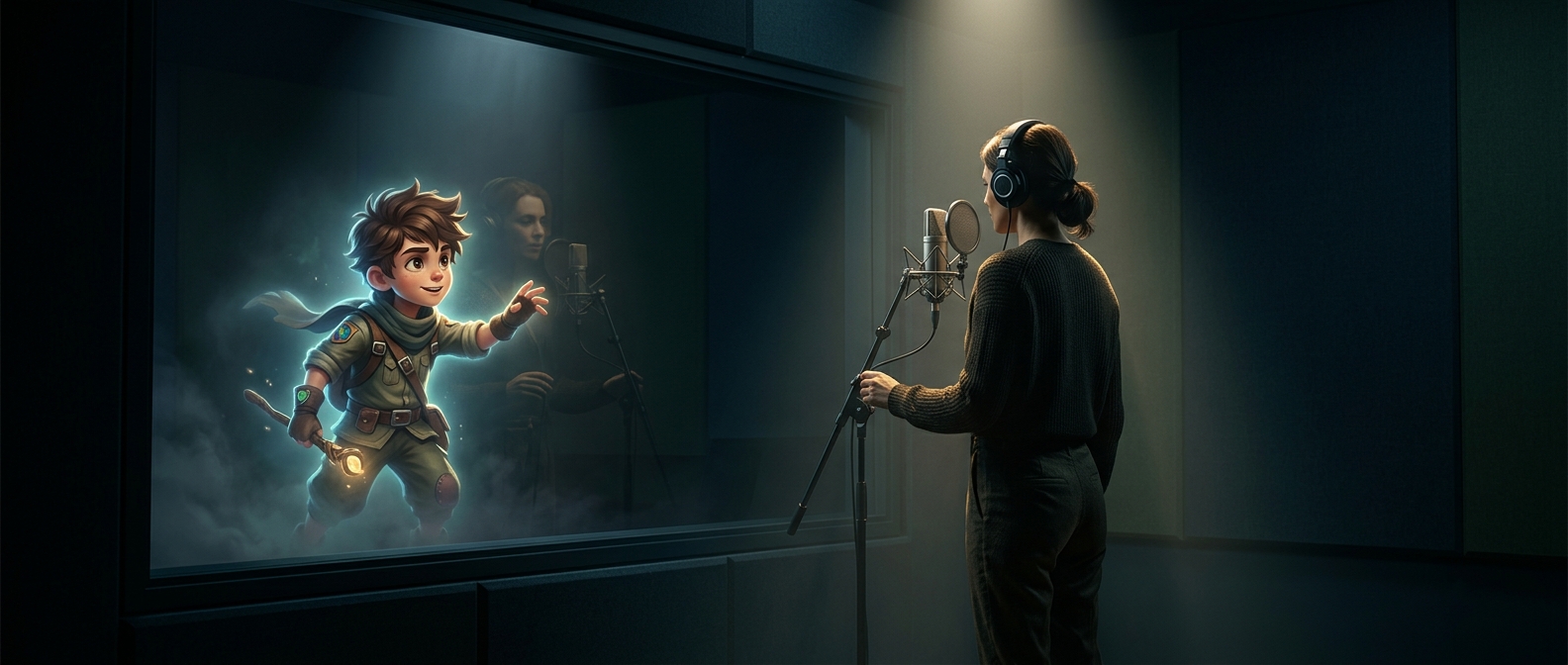
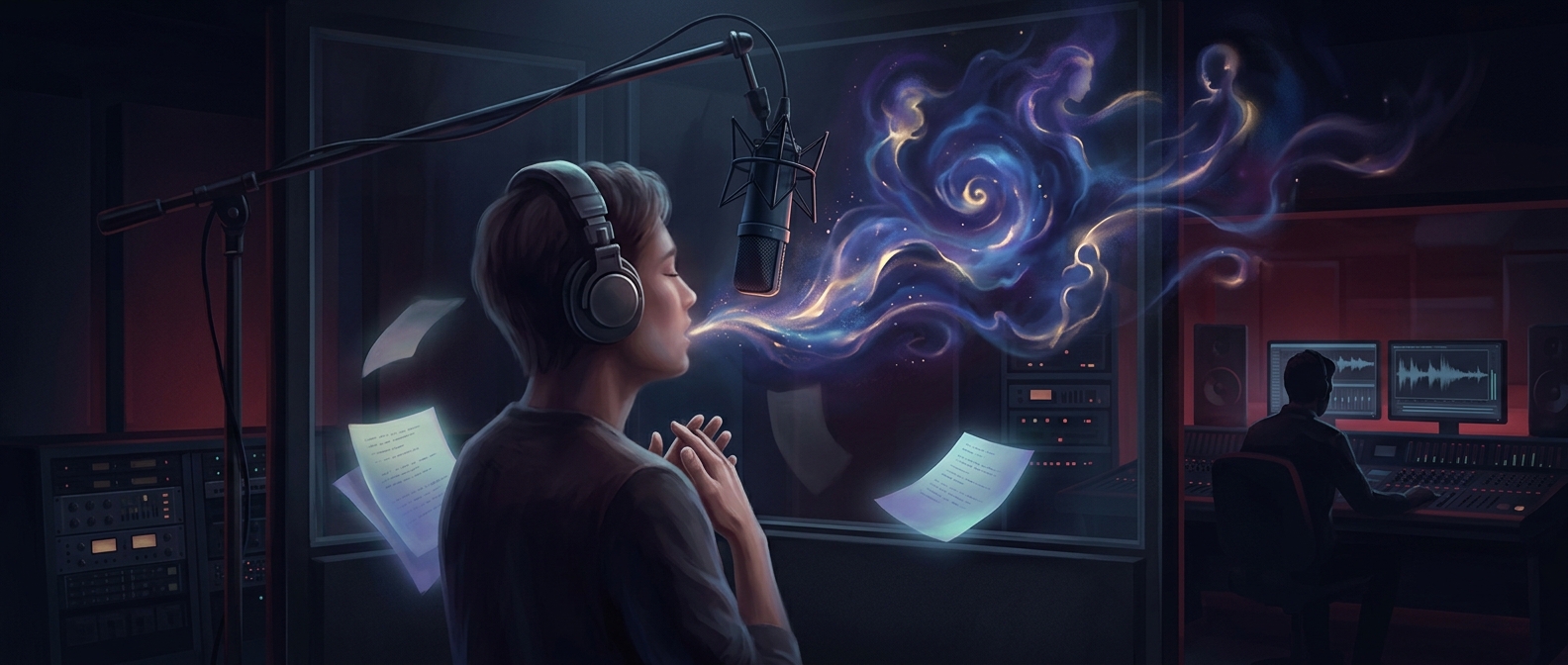
In many game sessions, a performer records lines alone rather than trading them live with the other actors. The microphone captures one voice at a time, so the actor may have to supply both halves of the exchange: not just their character’s response, but an imagined sense of when the other person spoke, how they sounded, and what the moment felt like.
That makes a line more than a delivery problem. A pause that feels natural in conversation can sound like hesitation; a quick reply can feel sharp or playful depending on the imagined cue. The actor has to build that cue internally, then make the response convincing without a scene partner’s timing or expression to react to.
Why the Work Can Wear Actors Down
The effort becomes especially demanding in emotional scenes. To make anger, fear, grief, or urgency sound immediate, performers may need to sustain a strong emotional state while also tracking the scene’s pacing and the technical direction they receive. Repeating a line for a different intensity or timing can mean rebuilding that moment several times, often without the conversational flow that would help carry it forward.
Game dialogue can also be recorded in pieces. A character’s lines may need to work across different player choices or scene outcomes, so an actor might record variations that will later be assembled with other performances. The finished exchange can sound spontaneous even though its parts were captured separately. The booth asks the actor to create the feeling of a shared moment before that moment exists in the recording.
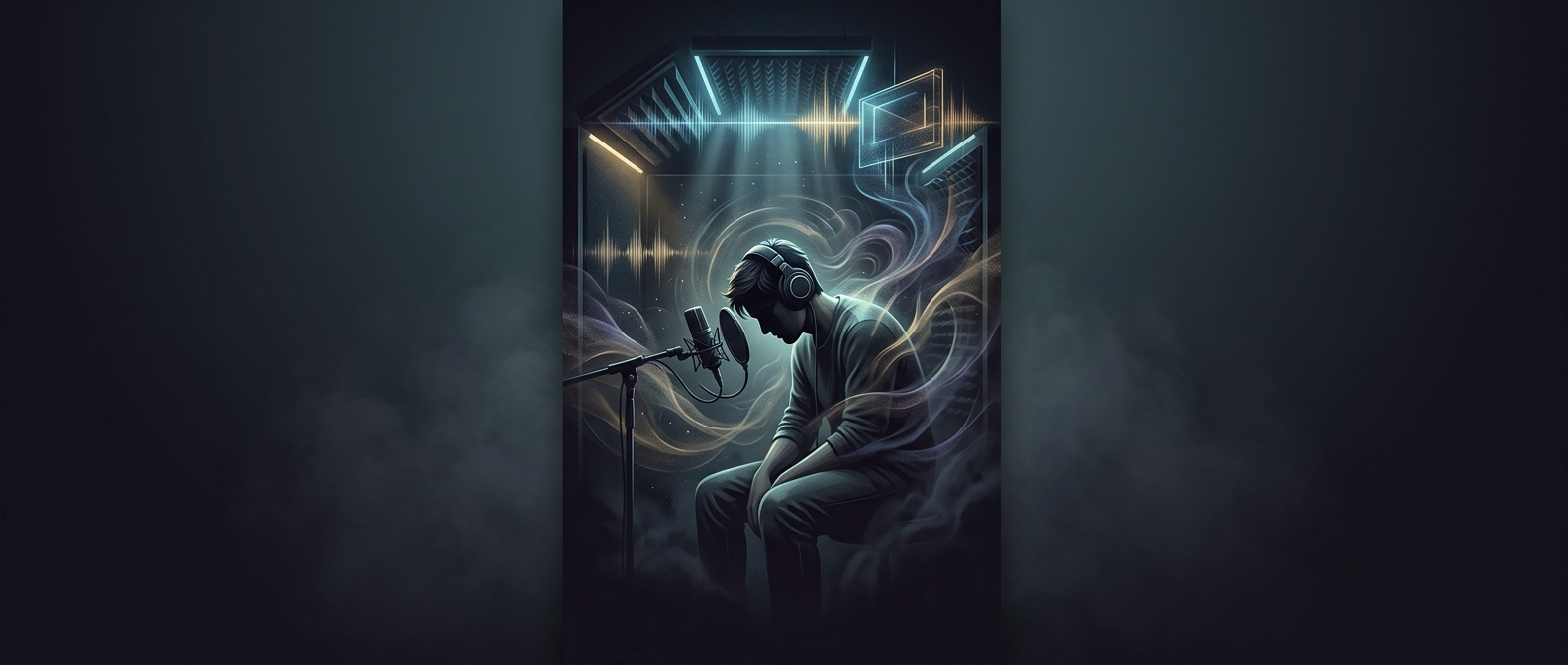
That is why a session can be mentally draining even when the physical task seems simple: standing still and speaking. The actor is doing the listening, imagining, and reacting internally, while trying to leave behind audio that editors can fit into a scene.