Why a line may arrive without its story
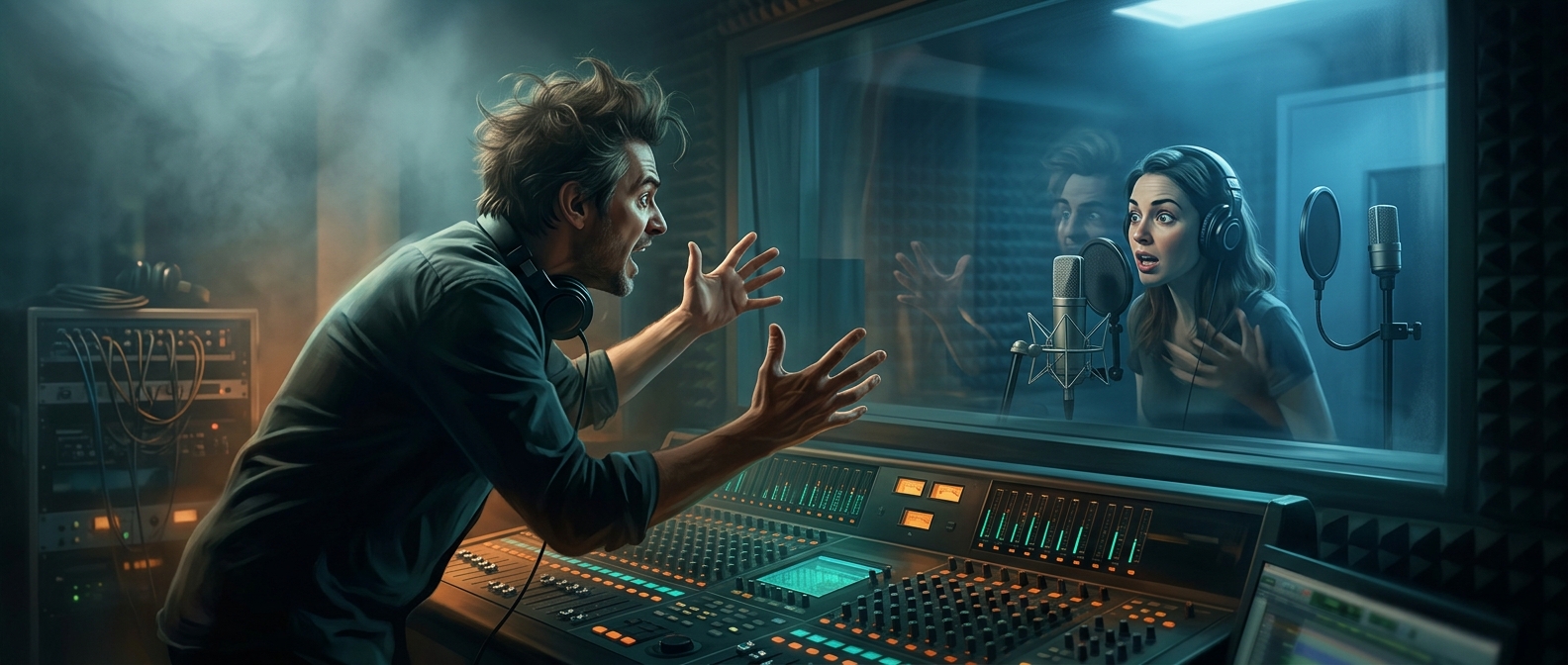
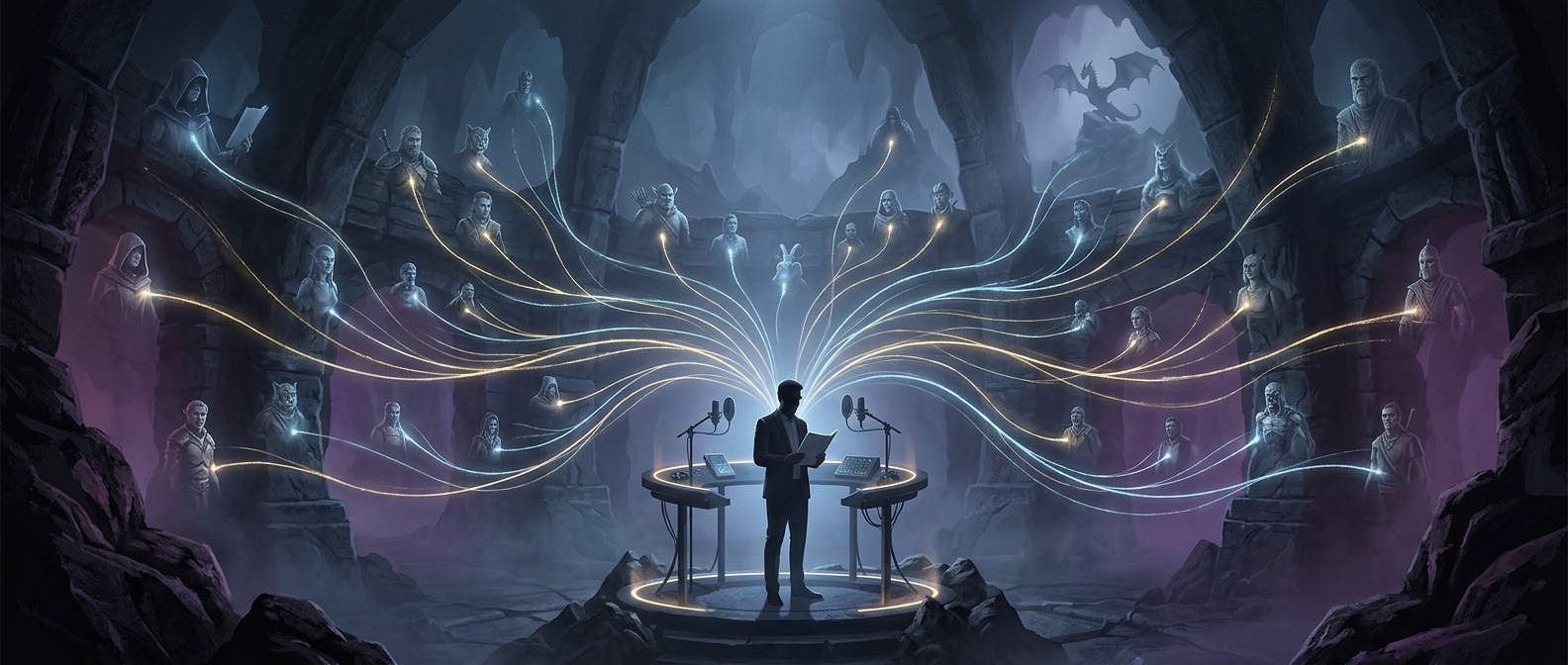
A game’s dialogue is often recorded in pieces rather than as one continuous performance. Scenes may be scheduled around actors’ availability, while gameplay lines—such as a warning shouted during combat—need to be captured separately so they can be triggered in many different situations. Recording out of order can keep production moving, but it also means an actor may not hear the exchanges that explain a line’s stakes.
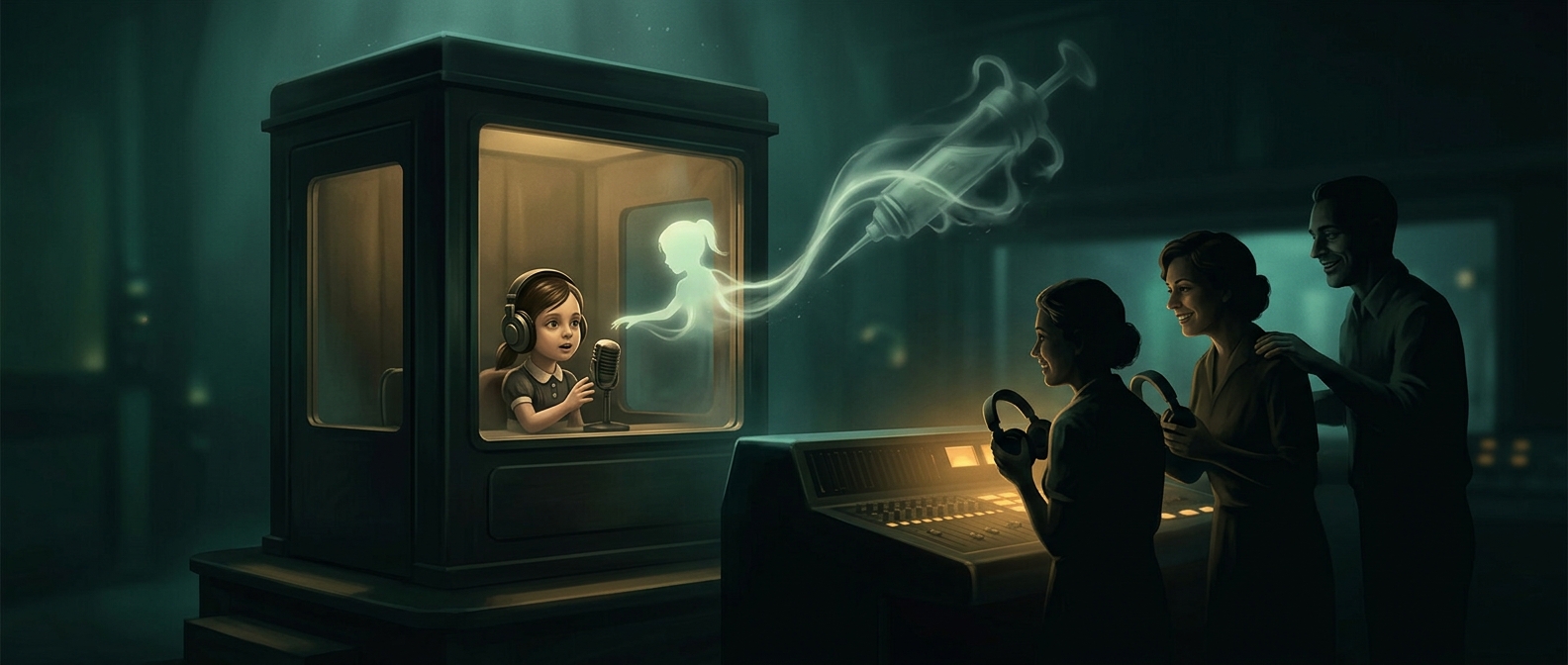
Studios may also limit plot details to protect surprises or avoid sharing more of the script than an actor needs. The result can be a page with a brief description of the moment and a direction about the emotion, rather than the full scene.
What the actor uses instead
Without the surrounding story, the actor builds a performance from the words, the direction, and whatever context the session provides. The director may explain who the character is speaking to, what they want, or how strongly the feeling should come through. Those clues help—but they do not always reveal why this moment matters or what happened immediately before it.
That can make a short line unexpectedly difficult. “I’m fine” could be reassuring, defensive, sarcastic, or close to breaking down. The actor has to choose a playable interpretation even when the scene’s turning point is hidden.
The tradeoff reaches the player
A performance recorded without the full scene can sound different from one shaped by knowing the entire arc. Direction and later editing can help align the line with the game, but isolated recording also gives production flexibility: a line can be captured or replaced without assembling everyone involved in the scene.
For the player, that tradeoff is usually invisible. The line appears at exactly the moment the story needs it—even if the actor who recorded it had to build that moment from a few words of guidance.